

Guest Room Design that Makes Your Guest Feels at Home
22 June 2026
Singapore
Share

If you love hosting, you already think carefully about the experience before anyone arrives. You think about the lighting, the table, how your guests will feel when they walk through the door.
The guest room is the same act of care in a different room. When it works, your guest wakes up rested and unhurried. When it doesn't, they sense something without quite knowing why. It isn't the mismatched lamp or the chair angled awkwardly in the corner. It's a feeling: fitted in, rather than expected.
Most guest rooms reach that second state for the same reason. The brief was never written.
When "I'll think about it later" becomes never
The guest room is almost always the last room to be designed. By the time you've worked through the living room, the master bedroom, and the kitchen, the remaining space gets whatever is left over. The brief was never written. The question was never asked.
So the room drifts. Storage migrates here. Surplus pieces settle here. The room loses any identity of its own until calling it a guest room starts to feel generous.
The question that changes this isn't "how do I furnish this space?" It's an earlier question: what should someone feel in this room in the first ten minutes after they arrive? That question has practical answers, but only if it's asked while the design is still open.
Privacy starts with location, not furniture
A guest room positioned directly off the main living area keeps the visitor inside the household's daily rhythm. A room buffered by a corridor or a bathroom does something different: it creates a natural threshold. The guest can rest or close the door without feeling embedded in someone else's schedule.
This is an architectural decision, made when the floor plan is still in planning. The provisions that follow (a door that closes properly, lighting the guest can adjust independently, clear access to a bathroom) all work better when the room's position is already doing its part. Furniture cannot fix what layout didn't plan.
What a guest notices first
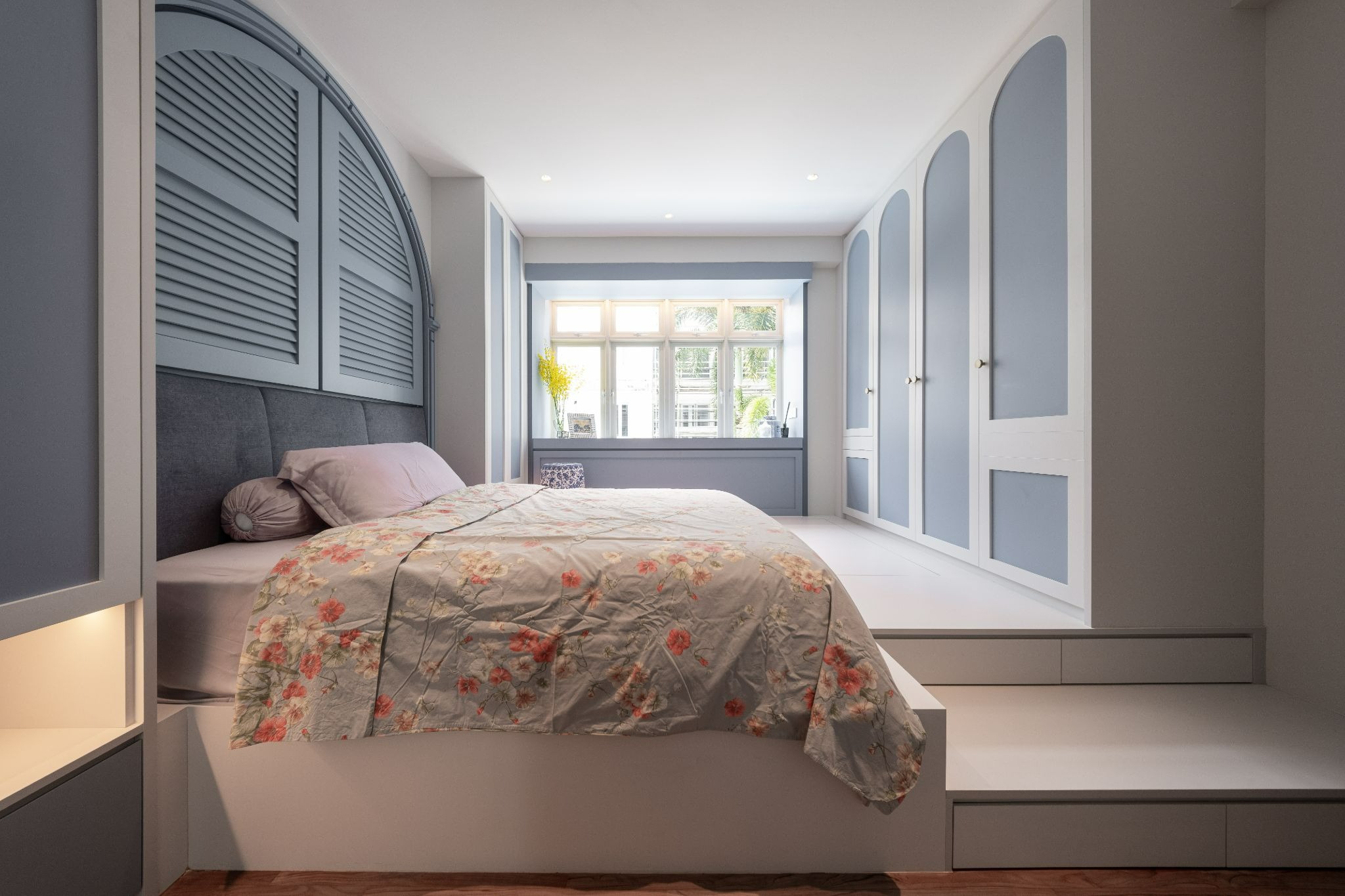
Guests arrive with luggage, unfamiliar routines, and the quiet disorientation of sleeping somewhere new. What helps is specific: a bed that feels properly made, a surface within reach for a phone or glass of water, lighting that can be adjusted without getting up, somewhere to put things down without feeling like you're stacking your belongings on top of someone else's life.
These aren't luxury details. They're planning decisions, and they need to be made during the design process. When they're added after the fact, there's often no longer enough space to accommodate them properly. The room doesn't need to be staged. It needs to be prepared.
A room with a point of view
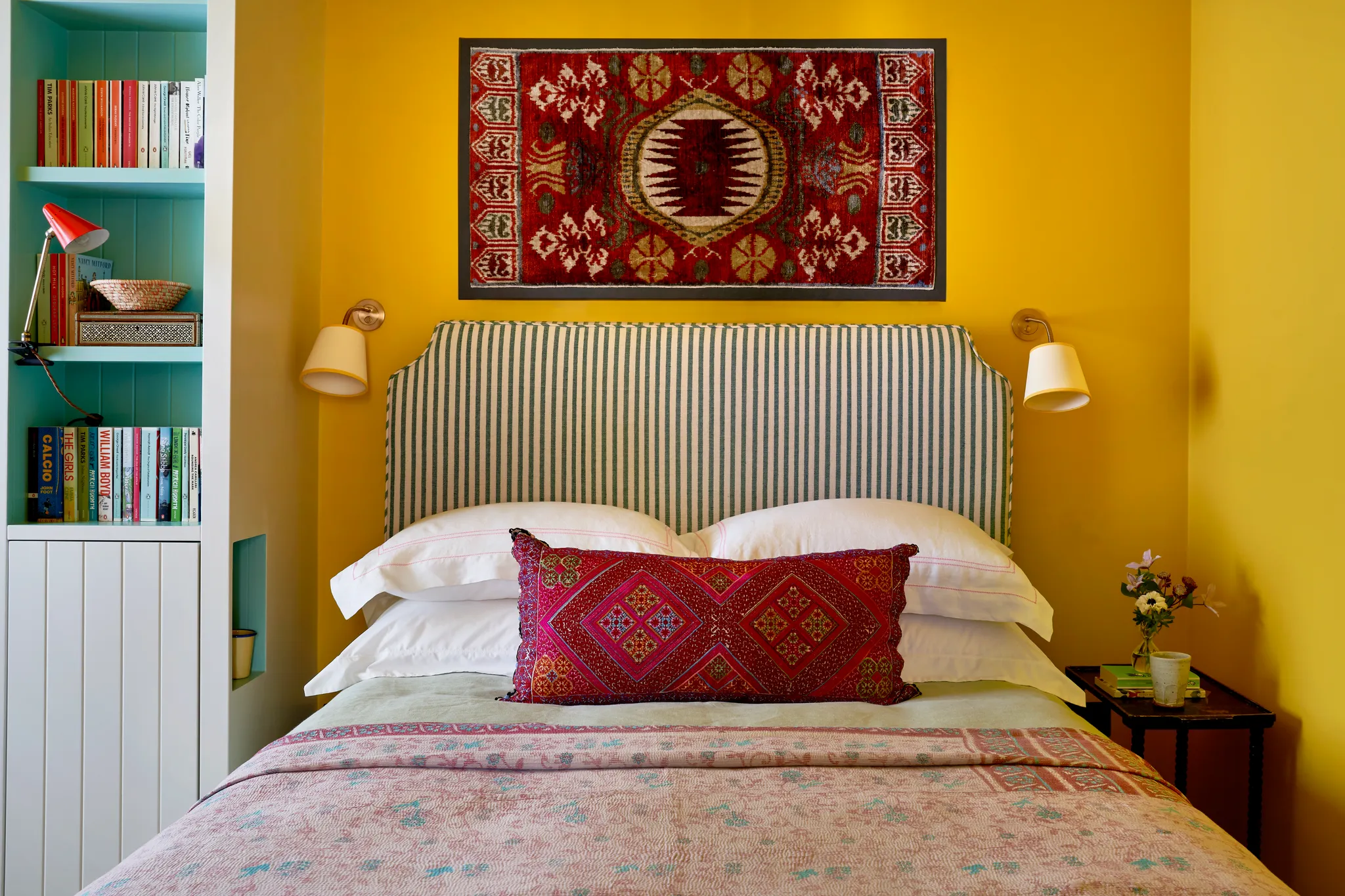
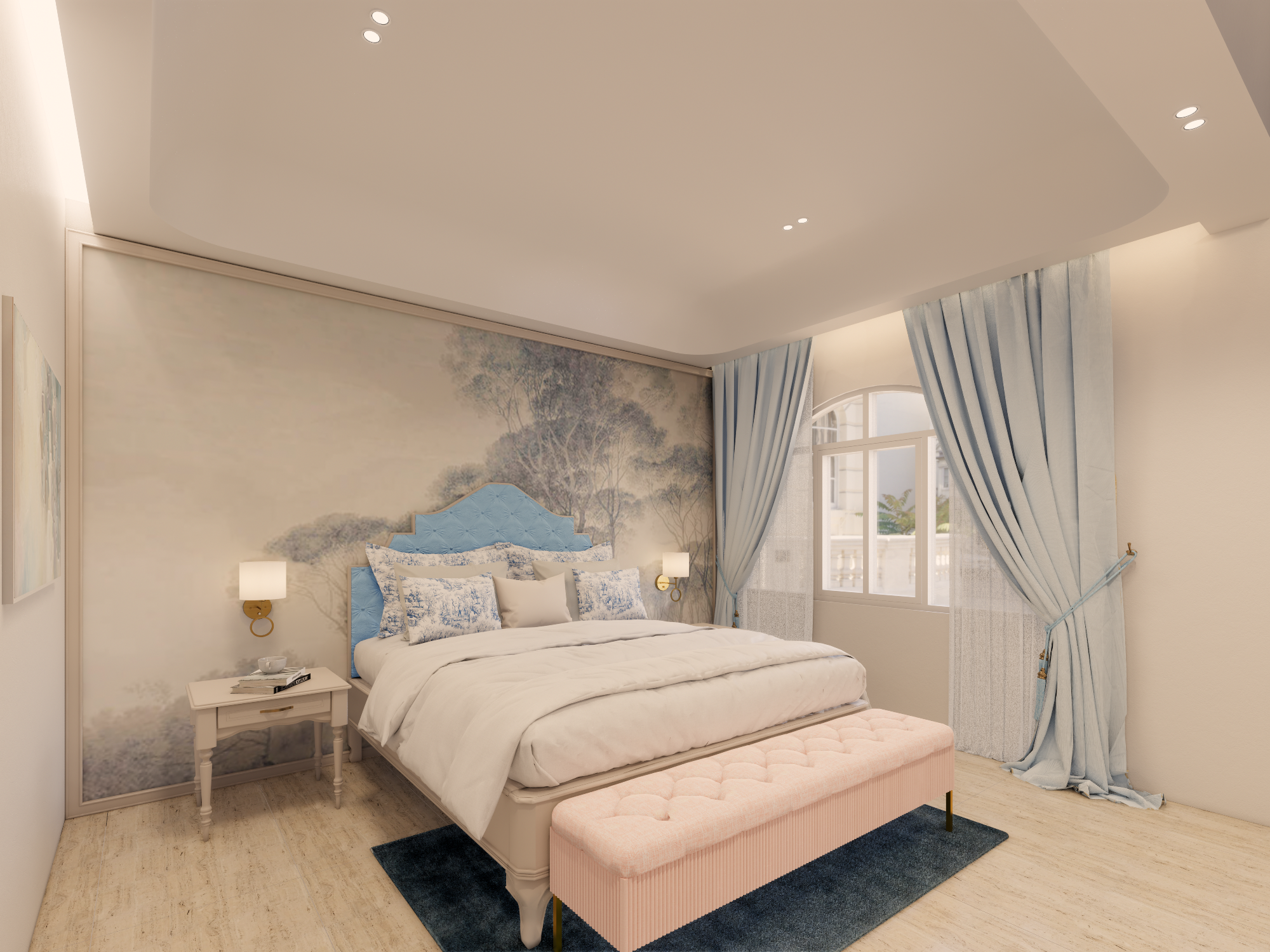
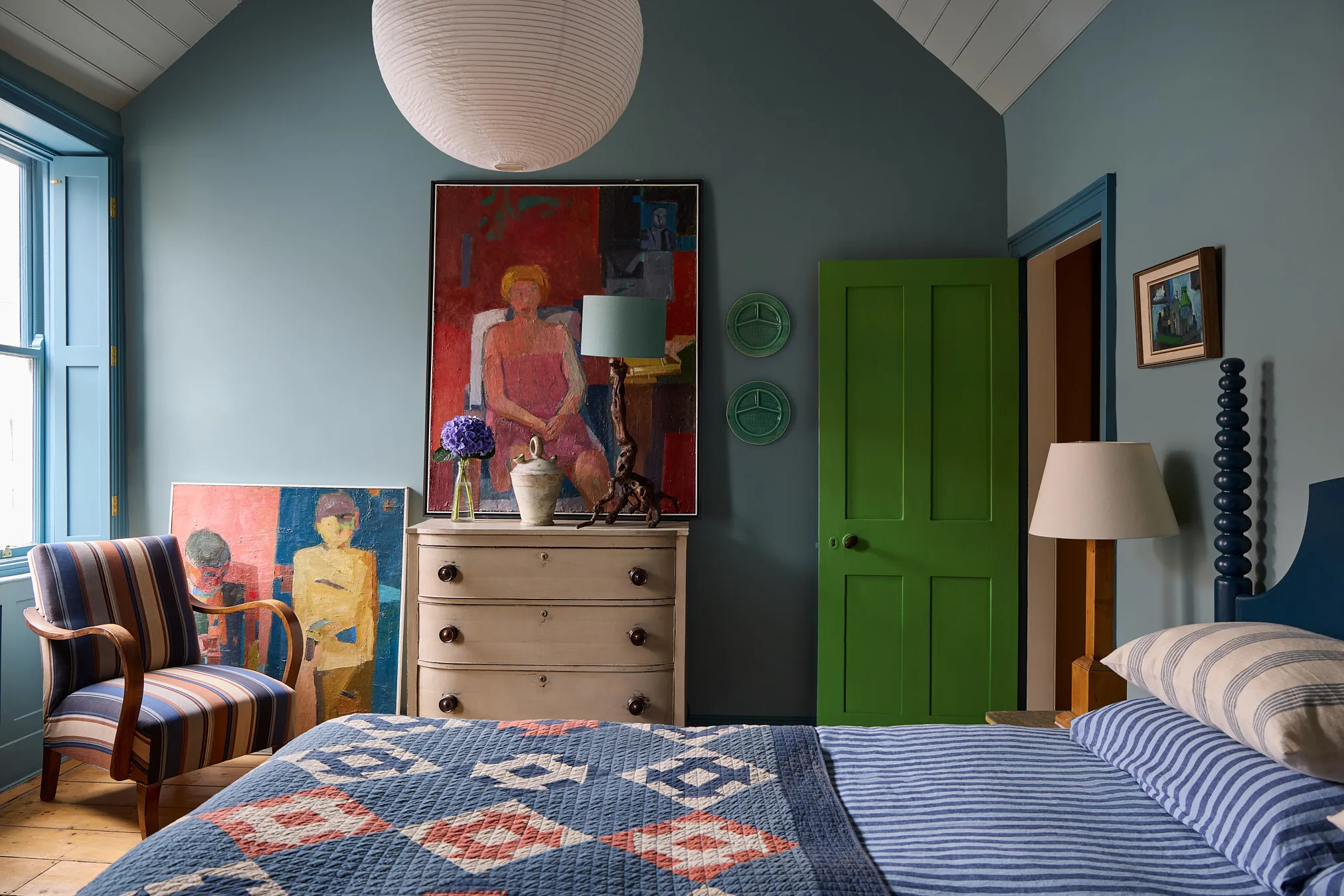
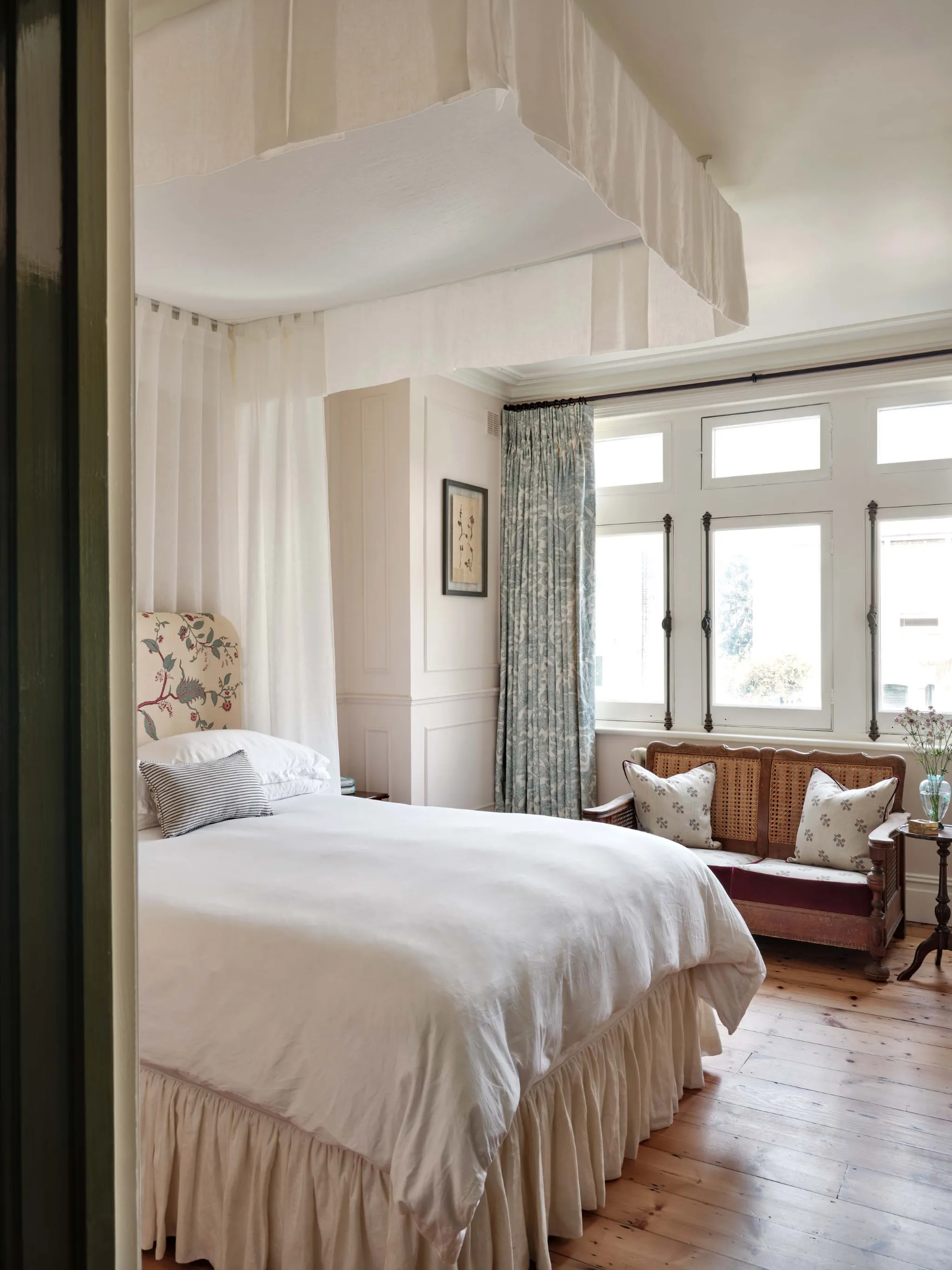
A room without personality reads as absence of thought, and guests feel that too. What works is atmosphere over accumulation: natural fabric and texture, a colour palette that holds well under both daylight and evening light, light sources that shift from overhead to ambient. The room should feel like part of your home: ready for someone, but not performing for them.
Designing spaces that welcome
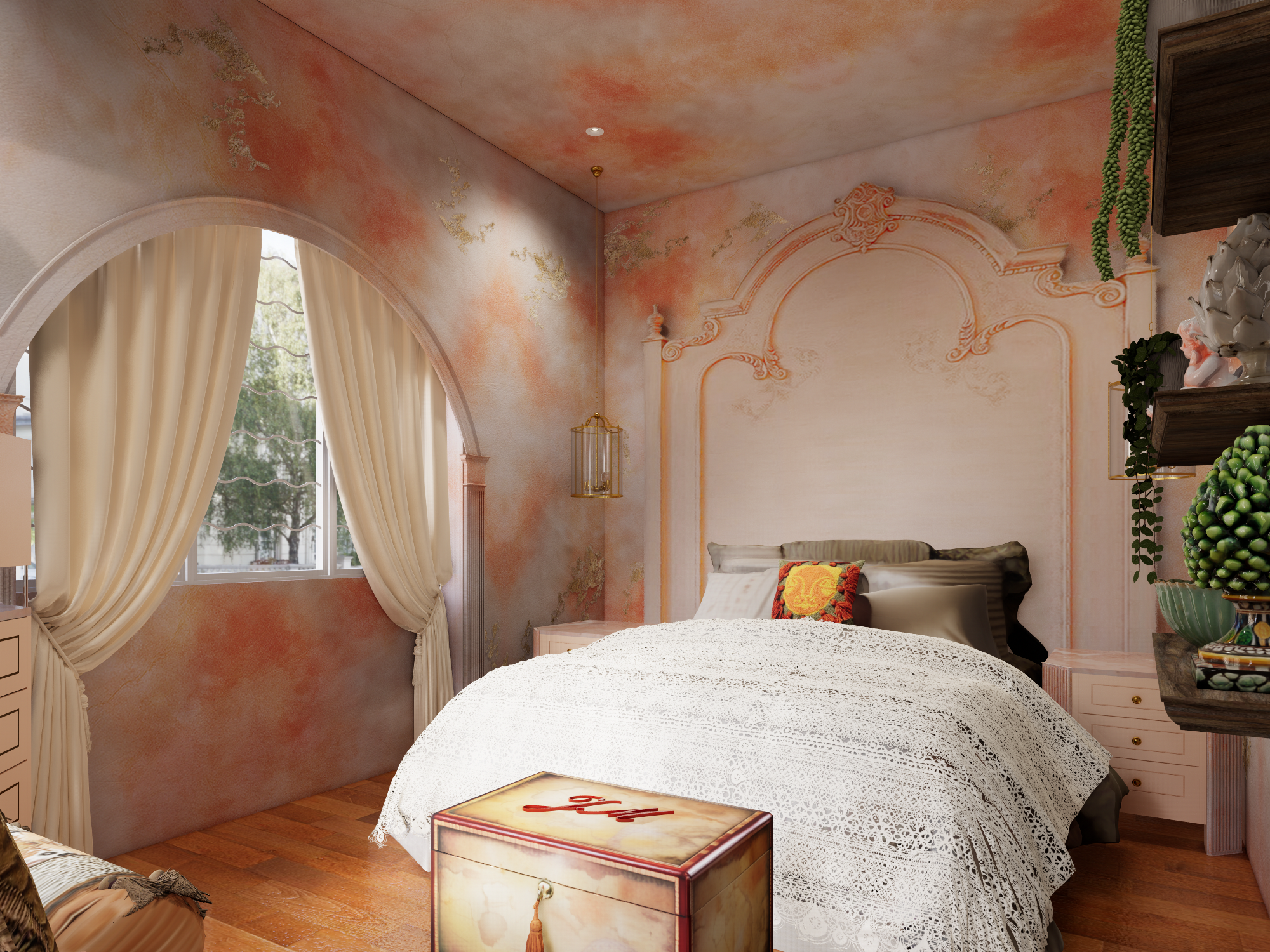
A room your guests actually feel doesn't announce itself. It just makes someone feel expected, comfortable, and unhurried.
At Loren Ng Designs, we write a brief for every room in a home, including the ones used only a handful of times a year. The guest room earns its brief the same way every other room does.
If you're planning a home or renovation and the guest room is still in the "we'll sort it out later" pile, that's often where the right conversation needs to start.
📩 ask@lorenngdesigns.com
📷 @loren_ng_designs
Posted by:


BACK TO BLOG
You Might Also Like
.png)