




The Ultimate Guide to Storage Planning: Design a Home That Stays Beautifully Organised
12 January 2026
Singapore
Share

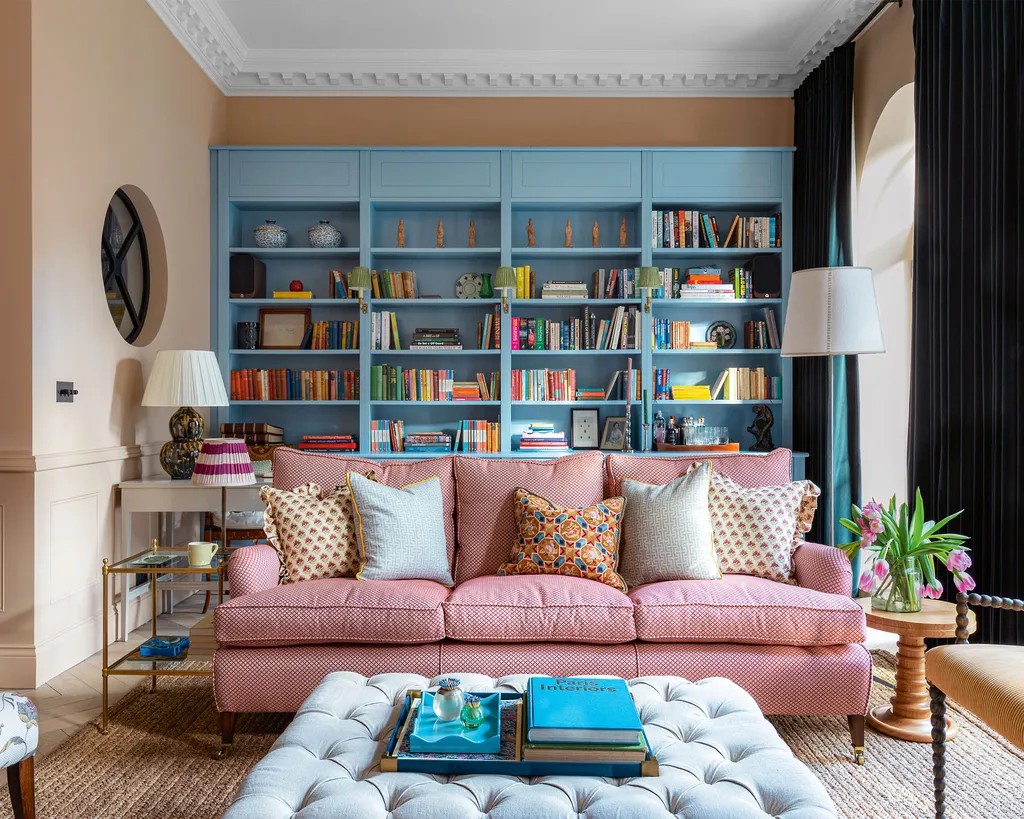
Storage is the unseen architecture that shapes how a home truly lives. A space may look beautiful, but without proper places for everyday essentials, it quickly turns chaotic and mentally draining. Clutter isn’t just visual — it affects your mood, focus, and ease of daily movement.
At Loren Ng Designs, our psychology-led approach treats storage as a foundational layer of design. It is the framework that creates calm, clarity, and an effortless sense of flow. With a well planned storage, even a compact home feels spacious and intentional.
This is your definitive guide to planning intelligent storage — the kind that supports your lifestyle today, and keeps your home feeling organised for years.
1. Start With a Storage Audit (Before Choosing Anything Beautiful)
Most homeowners jump straight into choosing cabinetry, finishes, and carpentry layouts. But the correct starting point is not the carpenter — it’s your actual belongings.
Essential Components of an Effective Storage Audit
✔ Quantity Of Items
✔ Their Individual Dimensions
✔ Frequency Of Use
✔ Future Lifestyle Needs
This mirrors the philosophy of The Home Edit, which emphasises that long-term organisation can only happen when systems are created during the planning stage, not improvised after move-in.
Take a Picture and Categorise Your Belongings
Sort everything you own into:
- Daily Use
- Weekly Use
- Seasonal
- Bulky
- Sentimental
This reveals your real habits — what you actually reach for, how you live, and what your new storage must support. Your lifestyle, not guesswork, becomes the design brief.
For the full picture, explore Why Planning Ahead Determines 90% of Your Renovation Success.
2. Measure What Matters (Dimensions = Design Accuracy)
Where most renovations fail is not in the drawing — but in the dimensions that were assumed rather than measured. Custom storage only works when it is designed around real object sizes.
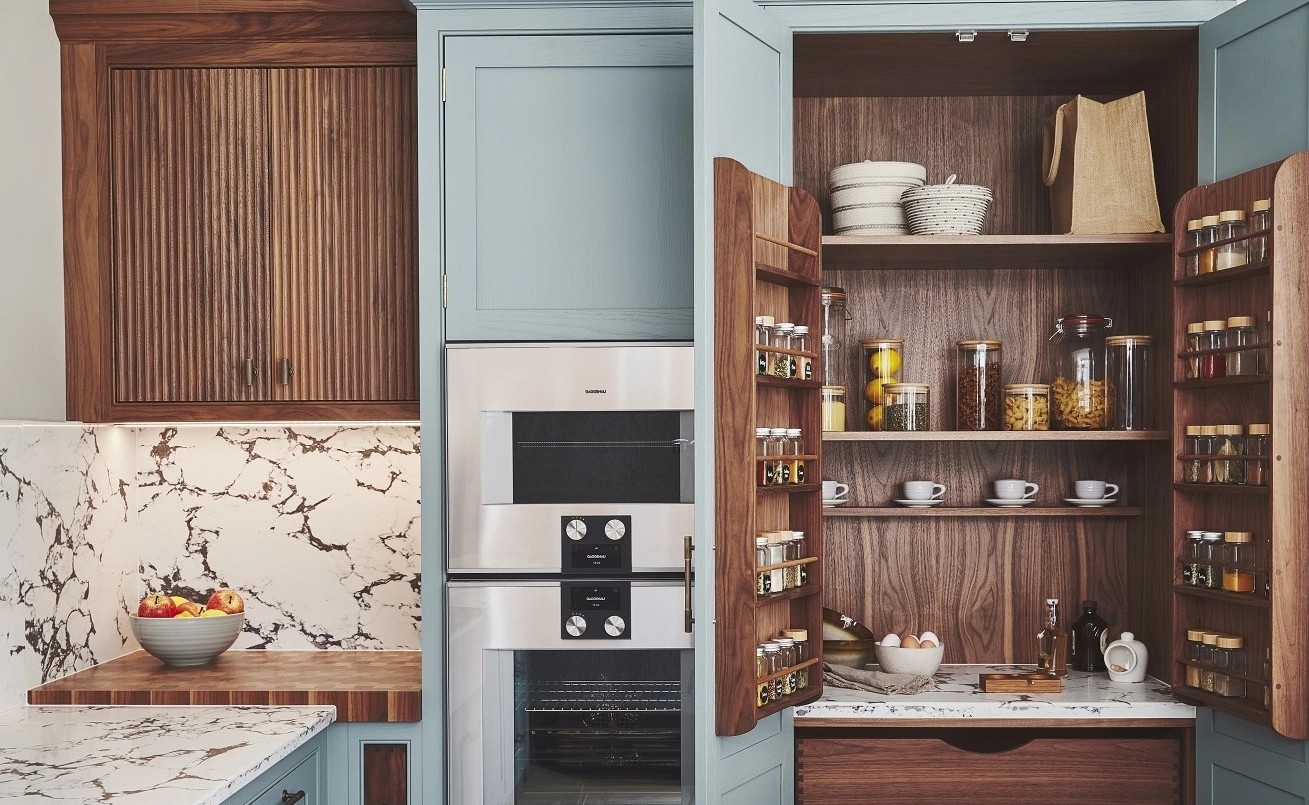
Kitchen Dimensions to Record
Measure your:
- Tallest Oil Bottles
- Widest Jars Or Canisters
- Plate Diameters (Many Dinner Plates Don’t Fit Standard Cabinets!)
- Rice Cooker, Air Fryer, Blender, Stand Mixer Heights
- Quantity Of Cutlery
- Food Container Sizes (Especially Mismatched Sets)
Most kitchen frustrations come from cabinetry that looks beautiful but fits nothing — a mistake frequently highlighted in Better Homes & Gardens’ pantry planning guides.
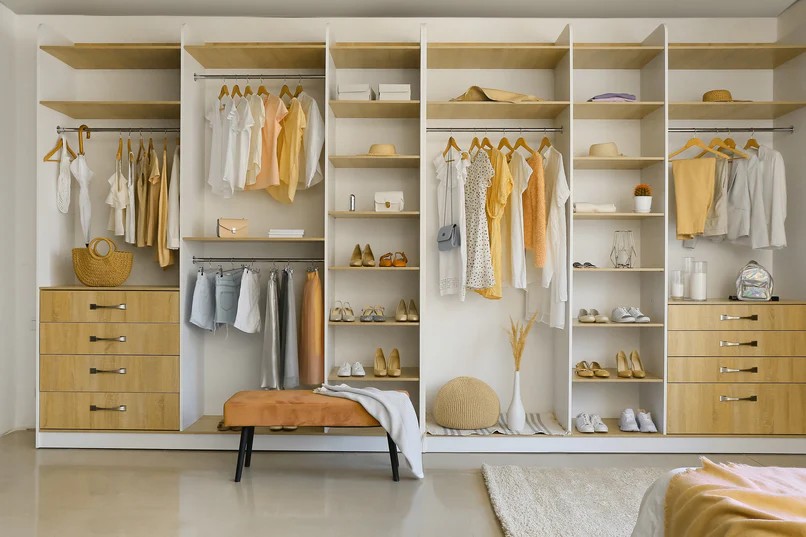
Wardrobe Dimensions to Record
For women:
- Long Dresses (Full-Height Hanging Is Essential)
- Tops Vs Bottoms Ratio
- Lingerie And Activewear Drawers
- Makeup And Skincare Compartments
- Handbag Storage
For men:
- Quantity Of Folded T-Shirts
- Trousers: Hanging Vs Folding
- Rolled Items (Socks/Tees)
- Watch, Wallet, And Daily Accessories Storage
- Jacket Depth
Wardrobes often fail because proportions were not customised. As House Beautiful notes, wardrobe form only works when it supports real-life behaviour.
3. Evaluate Your Current Storage Capacity
Before building new cabinetry, ask yourself:
- Is Your Current Storage Enough?
- Which Areas Overflow Constantly?
- Which Spaces Stay Empty?
- What Dimensions Currently Work Well?
- Which Categories Need More Space In The Future?
This creates self-awareness — the foundation of psychology-led design.
If you need help decluttering before planning storage, explore our detailed guide:
How to Declutter a Singapore Home (KonMari Tips)
4. Add 20% More Storage Than You Think You Need
Life evolves — you cook more, work from home more, have children, adopt hobbies, entertain, or host. A home planned too tightly becomes cramped within a year.
Our LND Rule:
Add at least 20% more storage capacity than your current needs.
This protects your home from fast overcrowding and preserves long-term organisation.
Download our checklist here and take the next step with confidence.
5. Design Storage Based on Frequency of Use
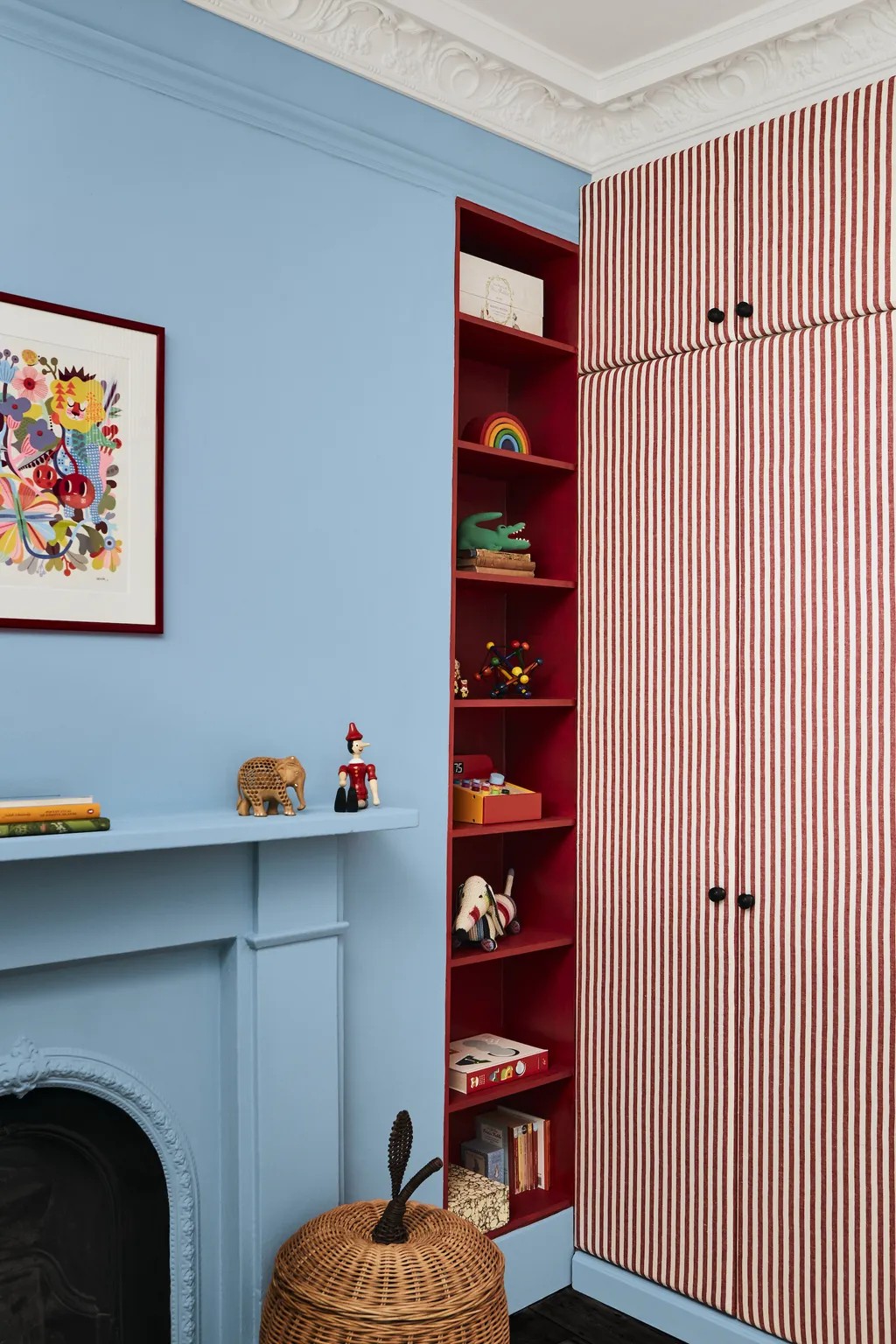
A functional home makes the easiest things effortless.
✔ High-Use Items (Waist-To-Eye Level)
- Skincare
- Cookware
- Daily Office Supplies
- Children’s Items
✔ Medium-Use (Upper Shelves / Deeper Drawers)
- Baking Appliances
- Spare Toiletries
- Serving Ware
✔ Low-Use (High Cabinets / Under-Bed)
- Festive Décor
- Luggage
- Winter Wear
This is ergonomics blended with behaviour design: your body should not need to work harder than necessary.
6. Build the Right Storage for Each Room
Kitchen Storage
Kitchens fail when designed for aesthetics more than daily function. At Loren Ng Designs, we design around real cooking habits:
- Deep Drawers for Pots
- Pull-Outs for Condiments
- Proper Pantry Shelving
- Ventilated Broom/Cleaning Compartments
- Appliance Garages
- Tall Slots for Trays and Chopping Boards
These ideas echo the behaviour-led principles highlighted in Better Homes & Gardens.
Wardrobe Storage
[INSERT PHOTO: Custom wardrobe interior]
Singapore wardrobes often get the ratios wrong. Our approach includes:
- More Drawers Than Hanging Sections
- Full-Height Hanging for Dresses
- Drawers Beneath Hanging Rods
- Jewellery/Watch Trays
- Adjustable Shelving Using a Mini Pole System
- Daily-Grab Zones at Eye Level
This aligns with House Beautiful’s functional wardrobe philosophy.
Living Room Storage
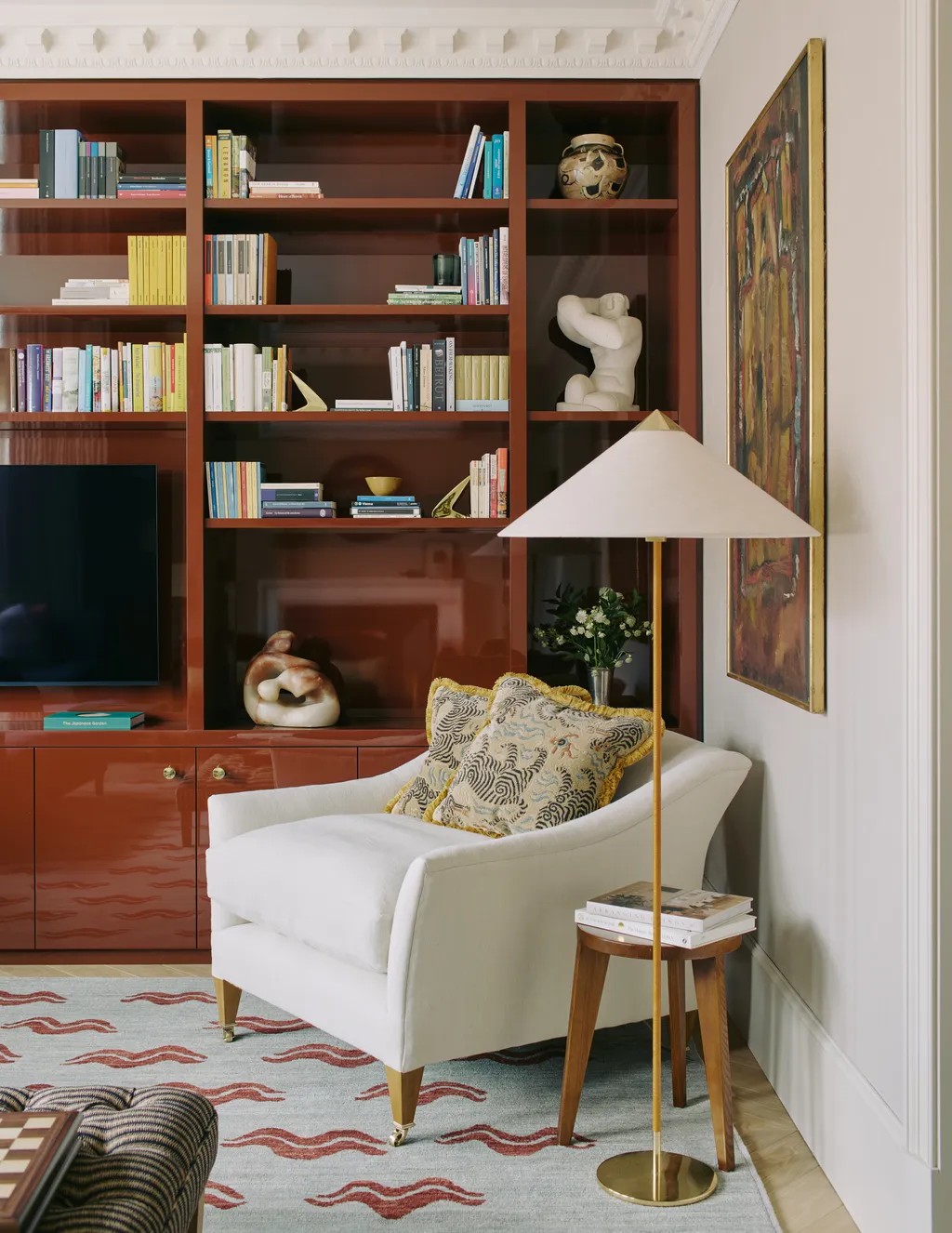
Essential for concealing:
- Chargers
- Cables
- Routers
- Gaming Devices
- Children’s Toys
- Remote Controls
At Loren Ng Designs, we plan your storage with clarity — and we’re honest about the real timeline most contractors won’t discuss.
Bathroom Storage
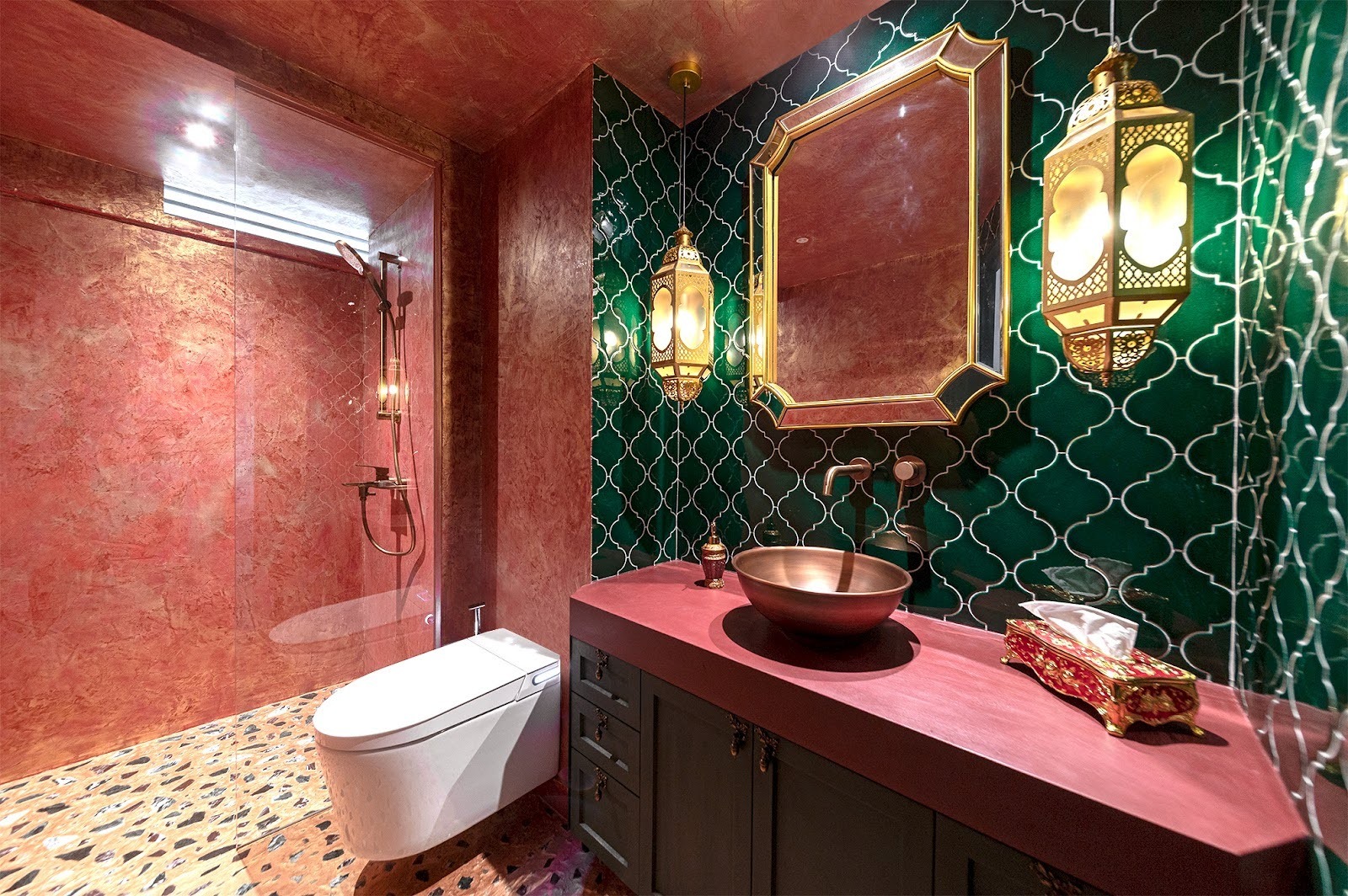
Often overlooked but critically important:
- Vanity Drawers
- Shallow Shelves for Skincare/Medicine
- Towel Storage
- Built-In Laundry Baskets
- Organised Under-Sink Systems
7. Storage Isn’t Carpentry — It’s Psychology
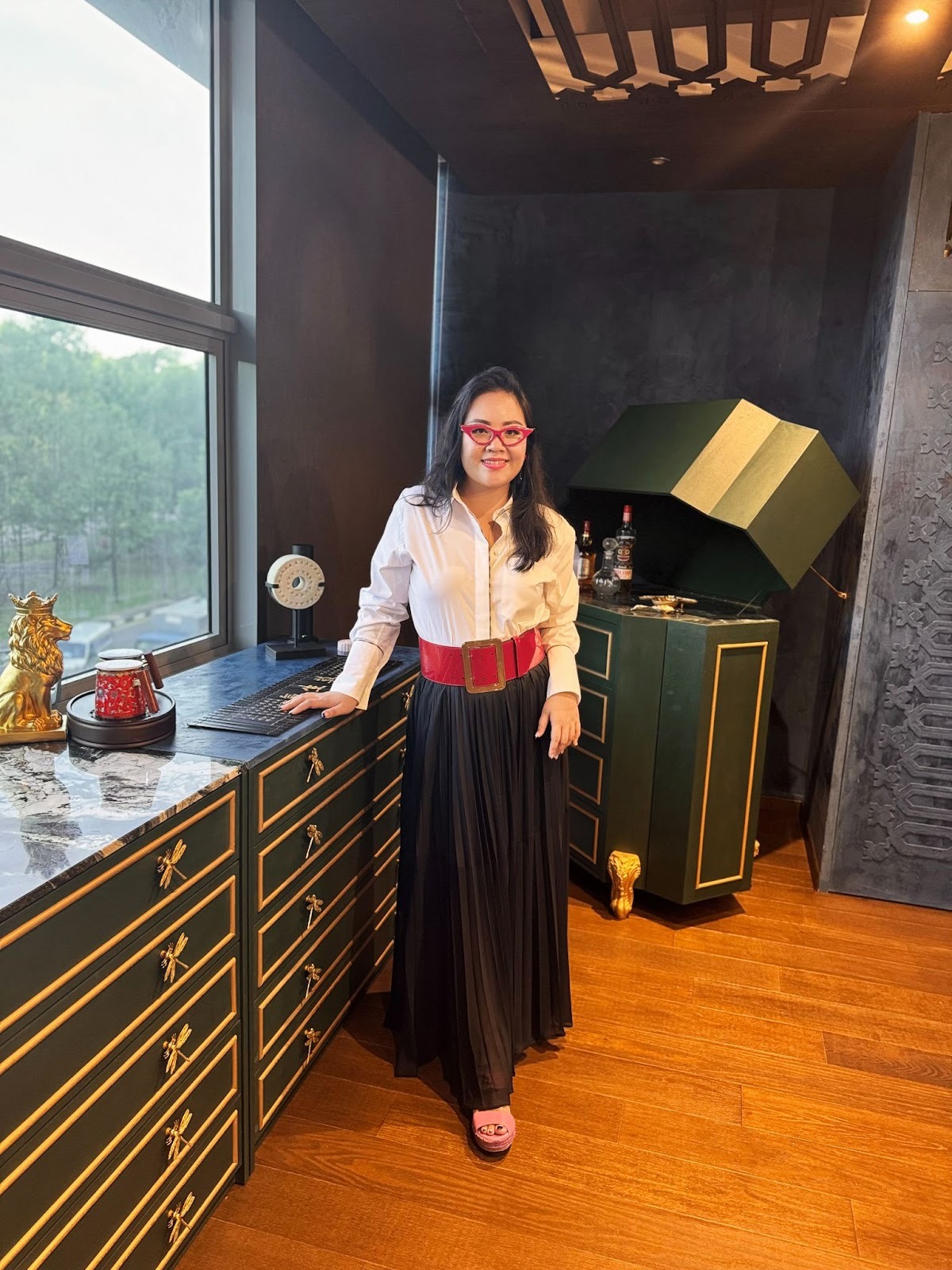
Storage is not “just drawers.”
It’s the architecture of your daily behaviour.
It influences:
- Visual Calm
- Stress Levels
- Morning Routines
- Workflow
- Mental Clarity
- Hosting
- Long-Term Organisation
This is where Loren Ng Design’s psychology-led process stands apart:
We design storage around identity, behaviour, and everyday rhythms — not just aesthetics.
Where Smart Storage Leads
Storage planning is the most overlooked — yet most transformative — element of renovation. When done correctly, it gives you:
- A Calmer Home
- Smoother Routines
- A Sense Of Spaciousness
- Stronger Resale Value
- Longer-Lasting Organisation
- Interiors That Remain Beautiful Effortlessly
At Loren Ng Designs, storage is a strategic, psychology-led design decision — not filler carpentry.
Because beauty without function never lasts.
📩 ask@lorenngdesigns.com
📷 @loren_ng_designs
Posted by:


BACK TO BLOG
You Might Also Like
.png)
.jpeg)


