

Before You Touch a Wall: What to Ask of Your Floor Plan First
16 March 2026
Singapore
Share

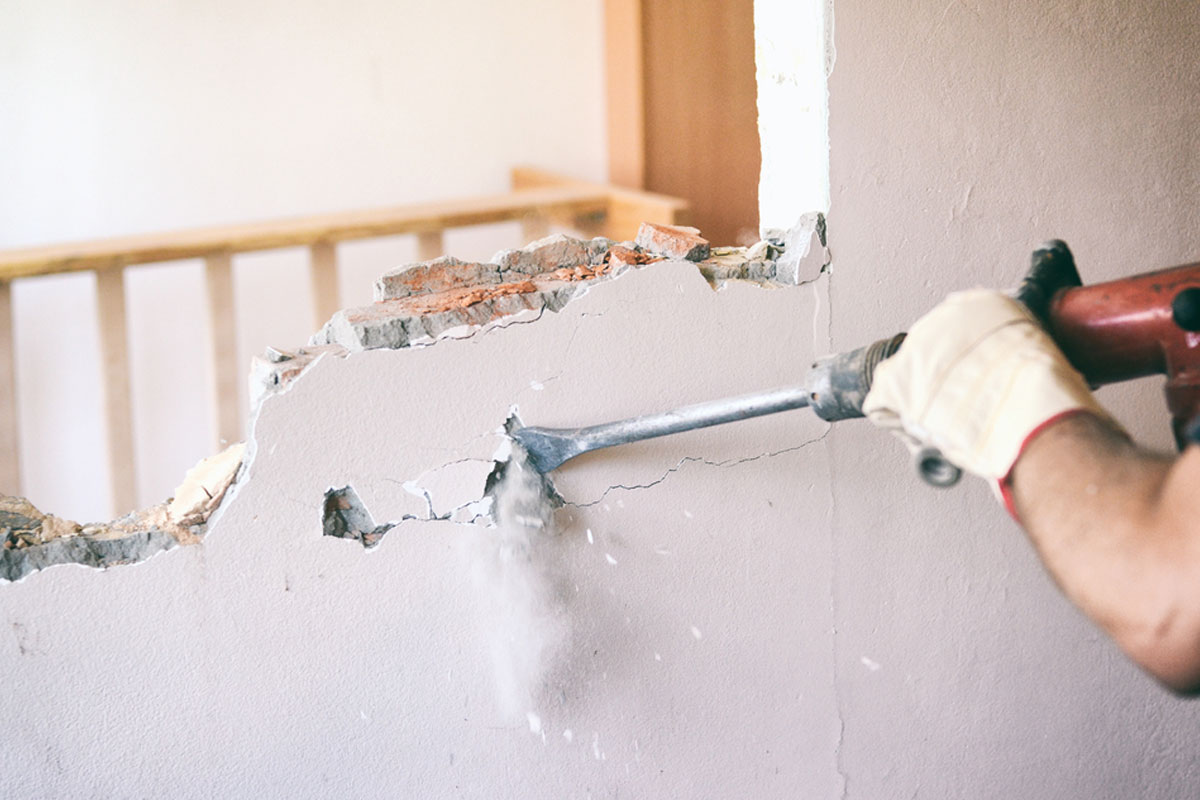
Renovation often begins with impulse. A wall feels intrusive. A room feels too small. Light does not travel the way it should. The instinctive response is to remove, hack, or rebuild — to touch the physical before understanding the spatial. Yet the most considered homes are rarely the result of immediate demolition. They begin earlier, quieter, and with far more restraint.
Before you touch a wall, the more important question is not what can be removed, but what the floor plan is asking for. A floor plan is not merely a technical drawing. It is a map of daily life — of circulation, transition, and retreat. When read carefully, it reveals far more than square footage ever could.
At Loren Ng Designs, we see floor planning as an editorial exercise. One that demands reflection before action, and intention before intervention.
Reading The Floor Plan As A Living Document
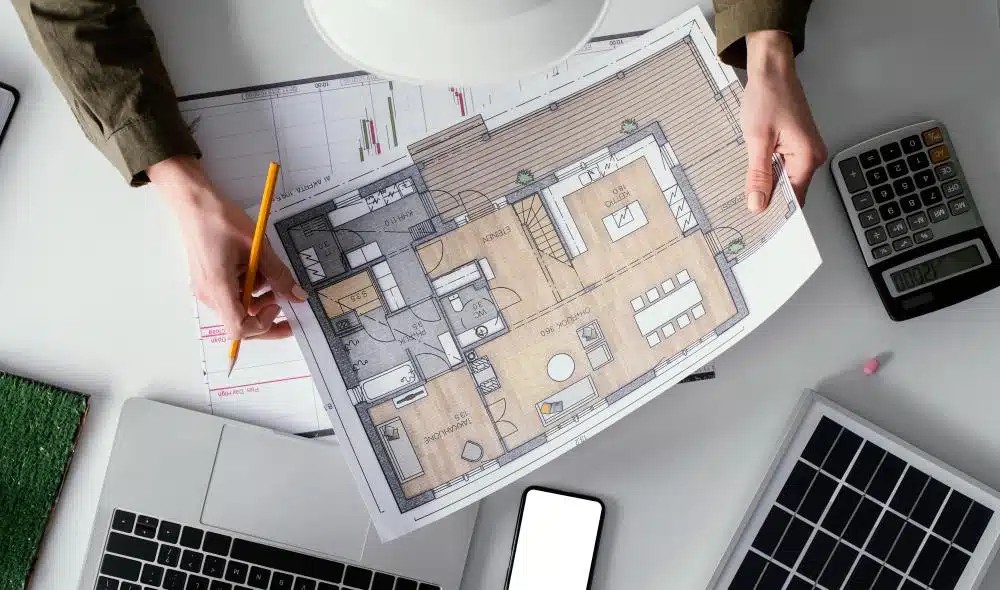
A common mistake in renovation is treating the existing layout as a problem to be fixed rather than a condition to be understood. Yet every plan carries embedded logic — structural, regulatory, and behavioural. The placement of columns, wet areas, windows, and load-bearing walls already sets parameters. Ignoring them rarely results in better design.
Instead, begin by asking how movement flows through the space. Where do you naturally slow down? Where does congestion occur? Which routes are used daily, and which remain ornamental?
A thoughtful reading of the plan often reveals opportunities that require no hacking at all. As we explore in: DIY or Designer Led? Start with Your Floor Plan & Flow Before You Renovate, small shifts in circulation — reorienting an entry or refining how spaces connect — can resolve what initially feels like a spatial constraint. More often than not, the plan does not need to be overhauled; it needs to be clarified.
Understanding What Walls Actually Do
Walls As Structure, Not Just Division
Walls are often blamed for spatial discomfort, but their role is more nuanced than mere division. They carry structure, conceal services, frame views, and anchor furniture. In HDB flats, in particular, walls are closely tied to structural integrity and regulatory constraints.
Regulation, Risk, And The Reality Of Hacking
Before considering removal, it is critical to understand which walls are structural, which are non-structural, and which conceal essential services. Hacking without this understanding can lead to costly reinstatement — or worse, compromised safety.
Singapore’s HDB renovation guidelines outline clearly what can and cannot be altered, including restrictions around load-bearing elements and service shafts. These regulations are not design obstacles; they are design realities that demand creativity rather than force.
Similarly, wall hacking should never be viewed as a default design solution. As explored by professionals, hacking introduces not only structural considerations but also dust control, noise impact, and longer renovation timelines. These secondary effects often shape the lived experience of renovation more than the visual outcome itself.
For a deeper read, continue here.
Asking The Right Spatial Questions First
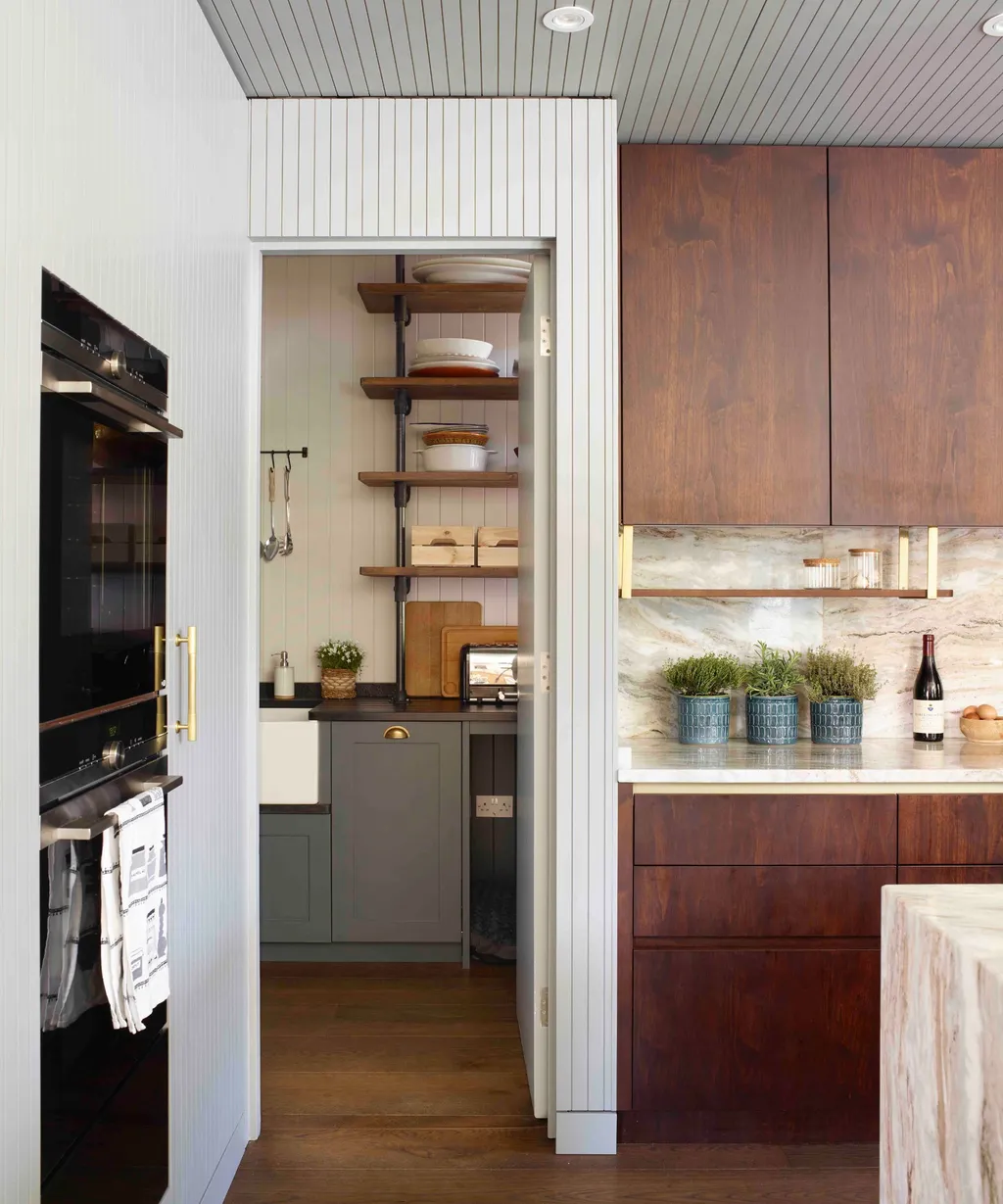
Before any physical change, the floor plan demands interrogation. Not aggressive questioning, but thoughtful observation — the kind that looks beyond what is visible and considers how the home is truly used.
Consider asking:
- What Is The Primary Function Of Each Zone
- How Does Light Travel Across The Plan Throughout The Day
- Which Spaces Require Privacy, And Which Benefit From Openness
- How Will The Home Adapt Over Time
These questions reframe renovation from cosmetic upgrade to spatial refinement. They encourage homeowners to design from lived reality rather than reference imagery.
Open plans are not inherently superior. Nor are enclosed ones inherently restrictive. What matters is alignment — between spatial structure and lifestyle rhythm. The floor plan holds these answers, if read carefully.
When Separation Is More Powerful Than Openness

Why Openness Is Not Always The Answer
There is a persistent belief that removing walls will automatically modernise a home. Yet some of the most liveable spaces rely on subtle separation rather than total exposure. Division, when designed well, creates intimacy, hierarchy, and calm.
Reinterpreting Boundaries For Modern Living
Contemporary dividers — sliding panels, screens, cabinetry, or partial-height elements — allow flexibility without permanent loss of structure. They enable spaces to expand or contract based on use, rather than forcing a single mode of living.
Well-considered dividers also offer visual layering. They guide the eye, frame views, and introduce moments of pause — qualities often lost in fully open layouts. In many homes, the question is not how to remove a wall, but how to reinterpret it.
Designing For Flow, Not Just Space
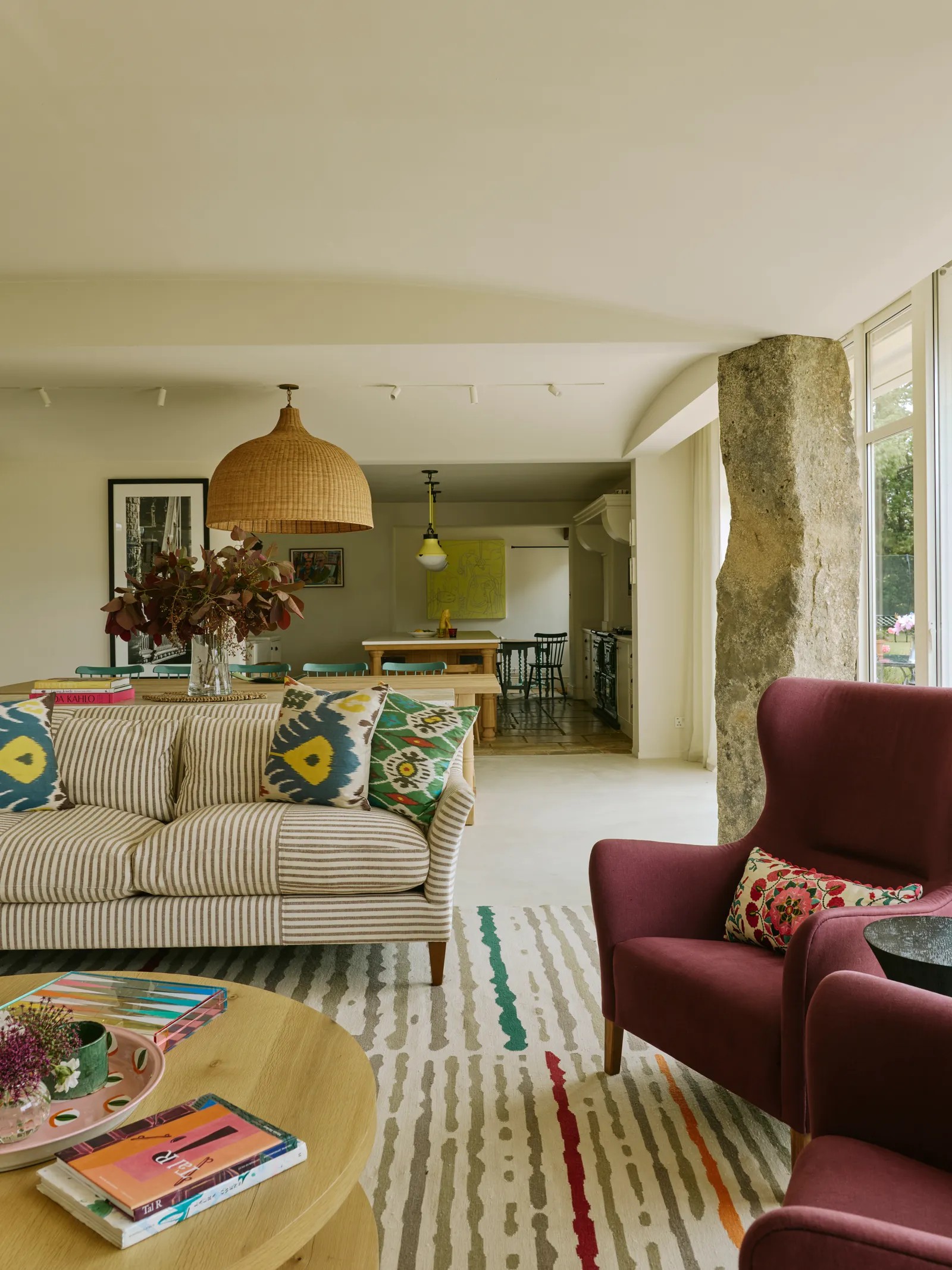
Flow is not measured in metres. It is felt in how easily one moves from one activity to the next. A well-planned home anticipates this without instruction.
The floor plan should support:
- Clear Circulation Without Crossing Functional Zones
- Logical Relationships Between Private And Shared Areas
- Visual Continuity Without Visual Noise
- Ease Of Movement For Daily Routines
When flow is resolved, the home feels effortless. When it is not, even generous square footage can feel constrained or uneasy.
This is why floor planning must come before finishes, furniture, or feature walls. Materials amplify space, but they cannot correct flawed spatial logic.
The Value Of Restraint In Renovation
Editorial design is as much about what is left untouched as what is changed. Restraint allows the original architecture to breathe while elevating how it is experienced.
Not every renovation requires dramatic intervention. Sometimes the most impactful decision is to leave a wall intact, refine the openings, and allow light, proportion, and materiality to do the work.
This approach also future-proofs the home. Over-hacked layouts can be difficult to adapt as needs change. A considered plan, grounded in structure and flow, offers longevity rather than novelty.
Let The Plan Lead
Before you touch a wall, pause. Read the plan. Walk it mentally, then physically. Observe how it already works — and where it quietly resists.
A floor plan is not a limitation to overcome, but a framework to refine. When respected, it guides design decisions with clarity and purpose. When ignored, even the most expensive renovation can feel unresolved.
At Loren Ng Designs, we believe that thoughtful homes are not built through force, but through understanding. The most successful renovations begin not with demolition, but with discernment.
Considering A Renovation?
Begin with your floor plan.
Explore how a carefully considered layout can quietly reshape the way you live — with clarity, calm, and lasting intent.
📩 ask@lorenngdesigns.com
📷 @loren_ng_designs
Posted by:


BACK TO BLOG
You Might Also Like
.jpeg)