

Multigenerational Bathroom Design: Comfort and Safety for Every Age Group
27 April 2026
Singapore
Share

Multigenerational living — where grandparents, parents, and children share one home — remains deeply rooted in Singapore’s social fabric. Yet modern realities have reshaped how families inhabit space. As homes become more compact and life expectancy rises, bathrooms — intimate, functional, and frequently shared — must now support three generations with very different physical needs and daily rhythms.
The latest Family Trends Report shows that while Singapore’s population aged 65 and above living in resident households has grown from about 466,300 in 2014 to 767,900 in 2024, roughly 80 % of these seniors still live with a spouse or children. As more generations occupy the same home, the demands placed on shared spaces inevitably increase — and studies have highlighted how domestic environments can quietly become sources of tension.
At Loren Ng Designs, we see the bathroom not simply as a wet area, but as a space of dignity, independence, and daily transition. In multigenerational homes, its design must move beyond aesthetics and towards empathy.
Technical Foundations: Regulations, Layout And Climate Considerations
Understanding Regulatory Frameworks
In Singapore, bathroom renovations — particularly within HDB flats — operate within defined regulatory parameters. The Building and Construction (BCA) Authority’s Code on Accessibility outlines barrier-free principles, recommended clearances, and accessibility provisions that increasingly shape residential expectations.
While private homes are not always mandated to meet full accessibility standards, the guidance on circulation widths, step-free access, and grab bar positioning provides a valuable design reference — particularly for ageing-in-place planning.
Spatial Planning Within Compact Footprints
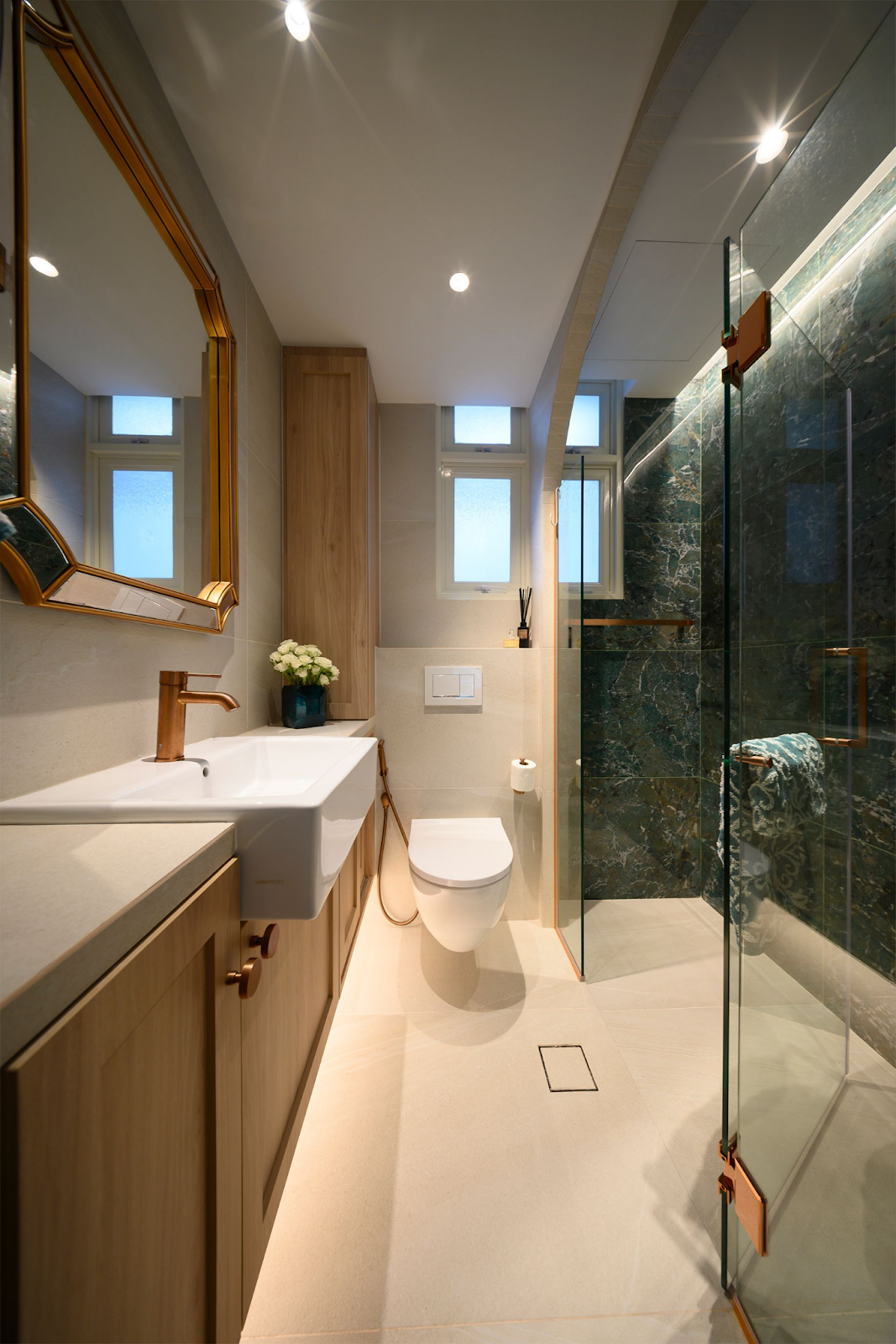
Within modest bathroom sizes, small spatial refinements yield meaningful impact. Reorienting a WC pan to allow lateral transfer space, recessing storage niches to protect circulation, or adjusting basin positioning by a few centimetres can significantly enhance usability.
Core planning principles often include:
- Clear Circulation Paths
- Adequate Turning Space Where Possible
- Zero-Threshold Shower Entry
- Slip-Resistant Floor Finishes (R10 Or R11 Rating)
- Logical Placement Of Grab Bars
Managing Wet Areas In A Humid Climate
The fully wet bathroom remains common in Singapore, yet saturated floors increase slip risk for both children and elderly users. A gently graded, zero-threshold shower zone paired with discreet glass screening can balance water containment with accessibility. Drainage slopes must be carefully executed to prevent ponding, as performance directly affects safety.
When refining wet areas, attention should be given to:
- Zero-Threshold Shower Entry
- Properly Calculated Floor Gradient
- Discreet Glass Screening For Water Containment
- Slip-Resistant Floor Finishes (R10 Or R11 Rating)
- Clear Visual Distinction Between Wet And Dry Zones
Singapore’s humidity further shapes material decisions. Without adequate ventilation, moisture lingers — accelerating mould growth and material deterioration. Mechanical ventilation systems sized appropriately to bathroom volume are especially important in windowless units.
Material considerations should prioritise:
- Homogeneous Tiles With Low Water Absorption
- Quartz Or Solid Surface Vanity Tops
- Stainless Steel Or Moisture-Resistant Fittings
- Well-Sealed Grout Lines And Waterproofing Membranes
For a deeper look at mould prevention in Singapore’s climate, you can explore our free guide here.
Designing For Children: Safety That Evolves With Growth
Regulatory Awareness And Practical Safety
While accessibility guidelines are typically framed around disability access, their underlying principles — stability, predictability, and clear transitions — are equally relevant for young children. In compact bathrooms, spatial clarity becomes especially important. Abrupt level changes, sharp corners, and cluttered circulation paths amplify risk for those still developing balance and coordination.
The intention is not to design a “child’s bathroom,” but to create a space that quietly supports early independence.
Adaptable Design Interventions
Rather than permanently lowering basins or installing overtly child-centric fixtures, adaptability allows the bathroom to mature alongside the family.
Consider:
- Anti-Scald Thermostatic Mixers
- Rounded Vanity Profiles
- Integrated Pull-Out Step Platforms
- Soft-Close Cabinetry
- Lowered Secondary Storage Within Reach
These gestures support autonomy without visually fragmenting the overall design language. The bathroom remains cohesive — simply more responsive.
Designing For Adults: Efficiency Within Shared Rhythms
Zoning For Smooth Morning Transitions
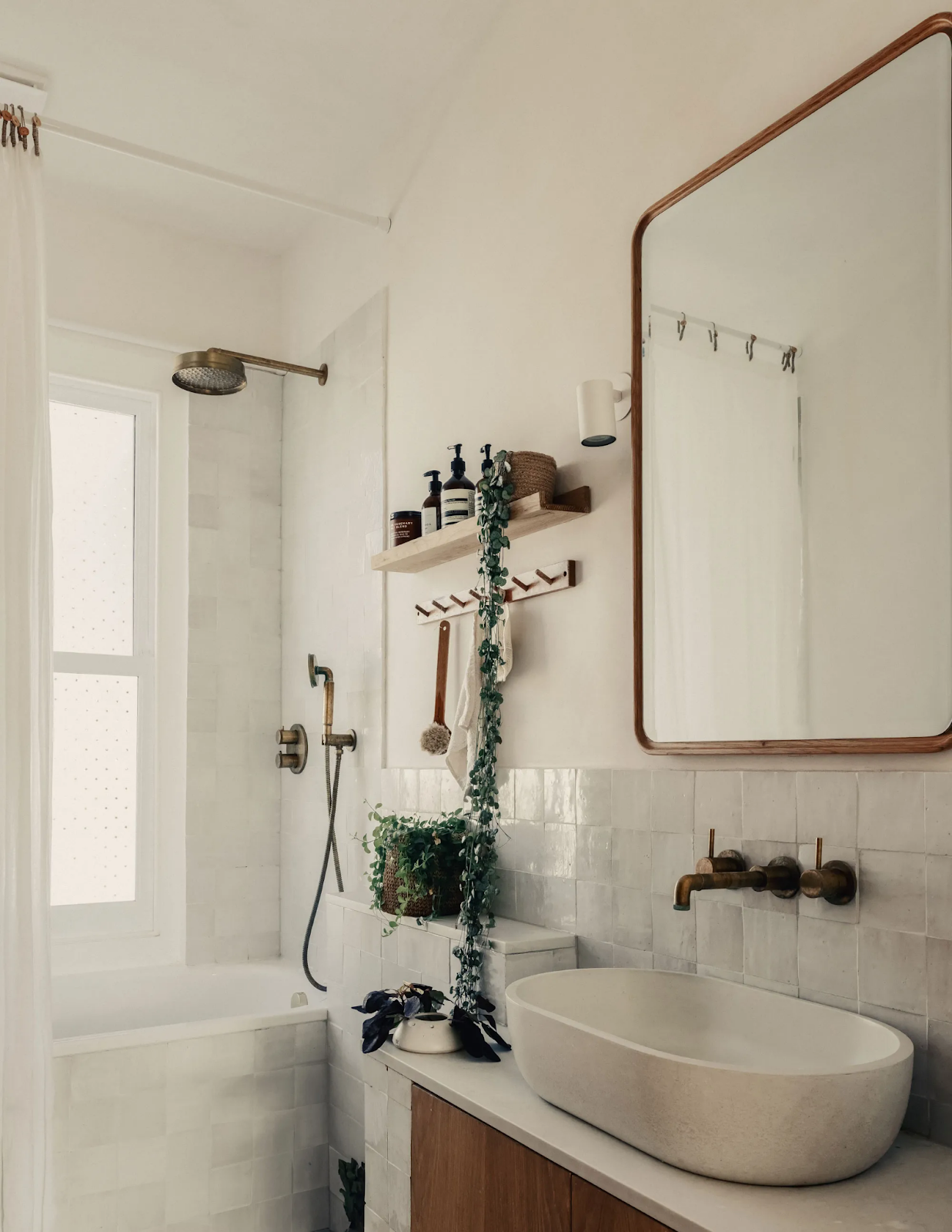
For working adults, the bathroom is a threshold between private rest and public engagement. In multigenerational households, spatial friction often reveals itself during peak hours — when schedules overlap and time is compressed.
Thoughtful spatial strategies may include:
- Segregated Personal Storage Niches
- Drawer Dividers For Daily Essentials
- Dual-Access Vanity Configurations Where Possible
- Concealed Laundry Integration
- Clearly Defined Grooming Zones
The aim is not luxury, but flow. When circulation is intuitive and belongings have designated homes, micro-tensions dissolve before they surface.
Emotional And Sensory Calm
Adults often carry the mental load of the household. A bathroom that feels visually ordered and acoustically softened becomes a small but meaningful refuge. Subtle material warmth, muted tonal palettes, and concealed storage contribute to this sense of steadiness.
Calm, here, is spatially constructed.
Designing For Elderly Parents: Dignity Through Compliance And Care
Interpreting Accessibility With Sensitivity
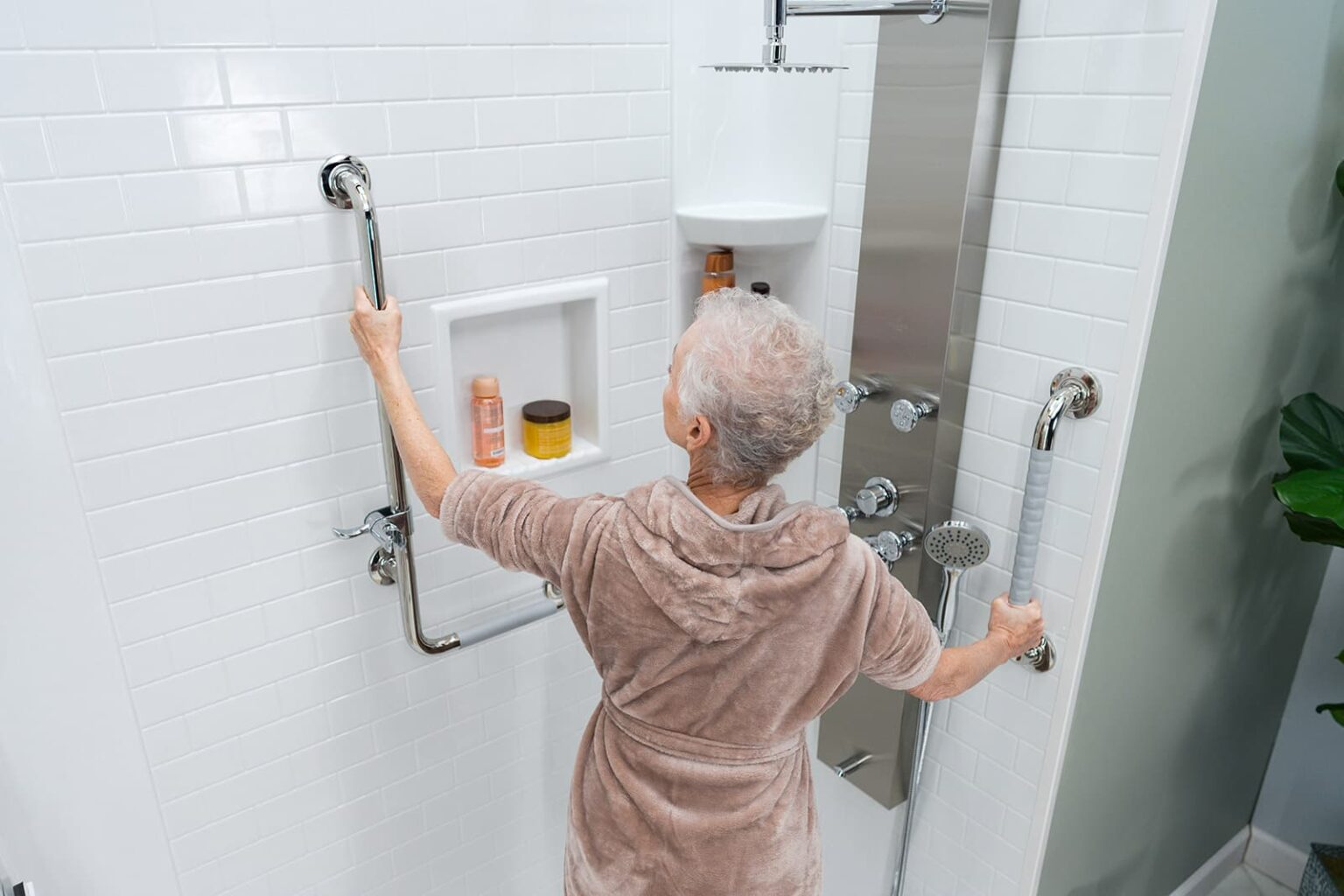
BCA accessibility guidelines offer measurable reference points — recommended grab bar heights, lateral WC clearances, minimum door widths. Even when full compliance is spatially unfeasible, aligning proportionally with these standards improves usability and reduces physical strain.
However, good ageing-in-place design is not defined by hardware alone. It is defined by the confidence of movement.
Subtle Yet Supportive Interventions
Safety elements should integrate seamlessly rather than announce themselves. The objective is reassurance without institutional character.
Key considerations often include:
- Ergonomically Positioned Grab Bars
- Fold-Down Shower Seating With Integrated Detailing
- Lever-Style Mixers For Reduced Wrist Strain
- Visual Contrast At Floor-Wall Junctions
- Night Guidance Lighting For Wayfinding
Ageing eyes require stronger visual cues and clearer depth perception. Gentle tonal contrast — rather than stark colour division — enhances spatial awareness without disrupting aesthetic harmony. When elderly residents move without hesitation, independence is preserved. And independence sustains dignity within the shared home.
Beyond Safety: Supporting Emotional Wellbeing
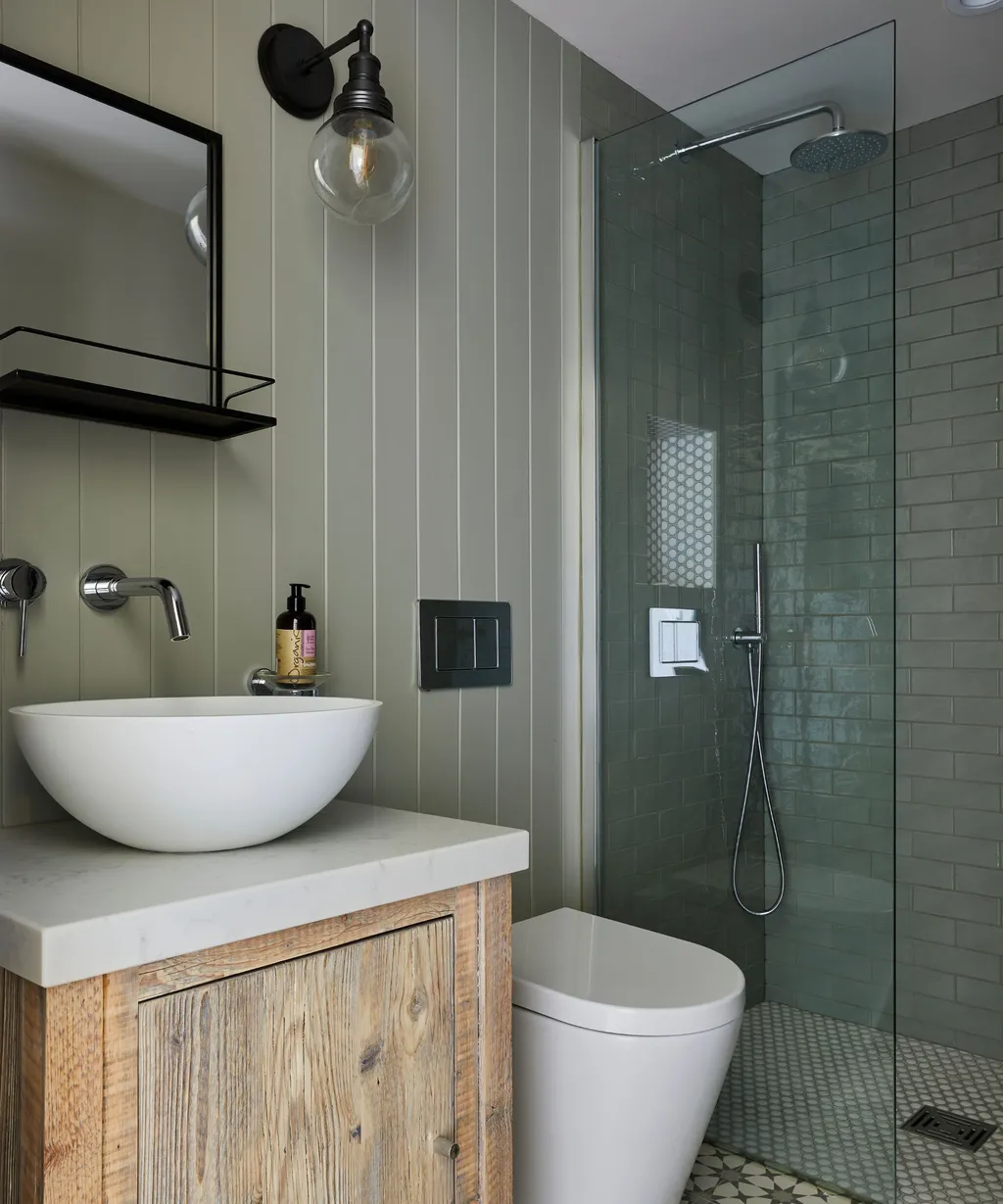
Research into multigenerational households suggests that shared spaces often become points of tension when routines overlap or privacy feels insufficient. In compact bathrooms especially, small inconveniences accumulate — subtly affecting daily harmony.
Design strategies that help reduce these micro-frictions include:
- Clear Zoning Between Wet And Dry Areas
- Intuitive Circulation Paths
- Adequate Allocation Of Personal Storage
- Concealed Storage To Reduce Visual Clutter
- Soft Tonal Contrasts For Visual Calm
- Material Warmth To Counter Clinical Atmospheres
- Controlled Acoustics To Enhance Privacy
When these elements are thoughtfully integrated, the bathroom shifts from being merely functional to quietly restorative. Though compact, it can mediate between generations — supporting both physical safety and emotional ease within the shared home.
Designing For Longevity And Grace
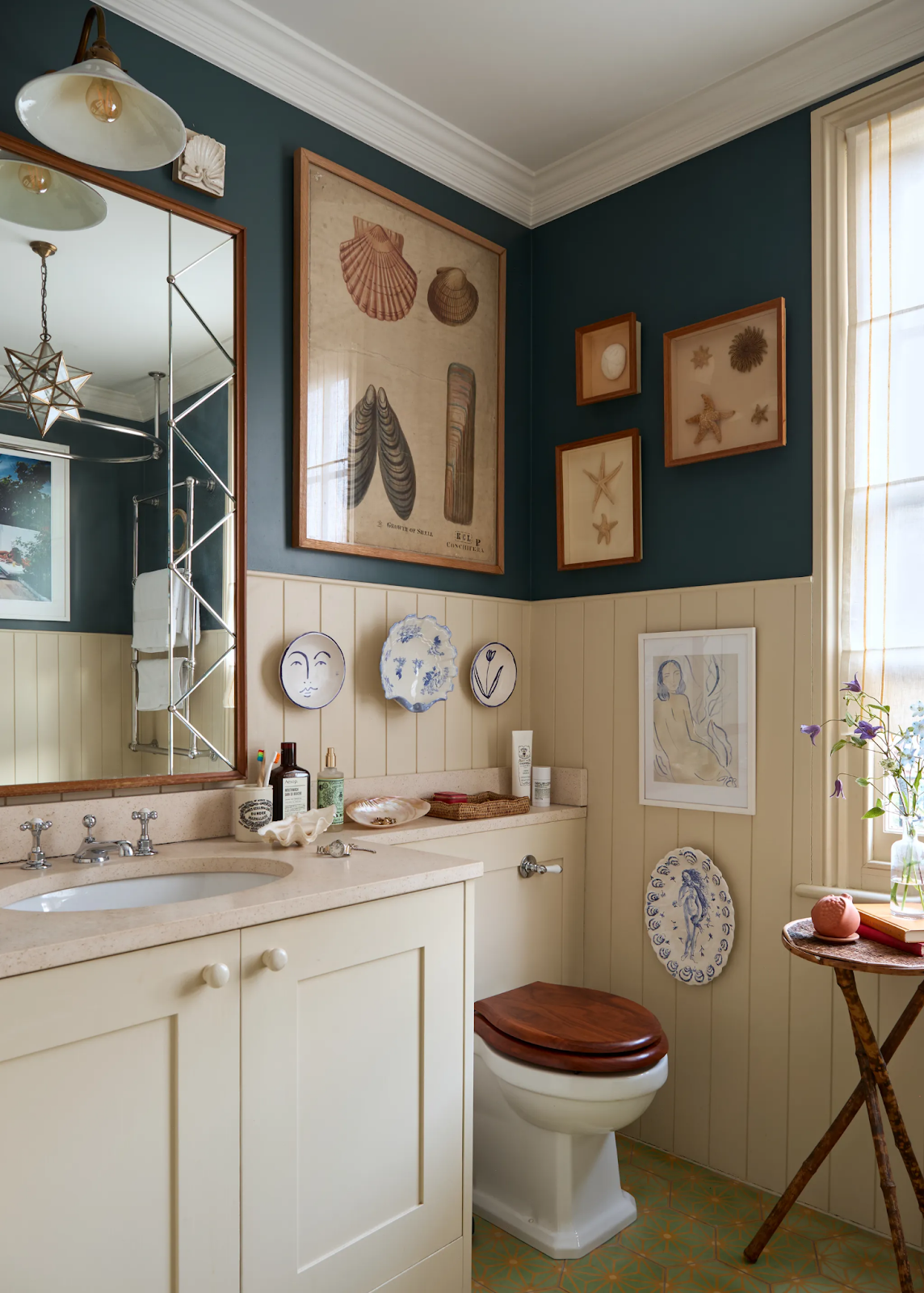
Multigenerational bathroom design is ultimately about anticipating change with quiet intention. Children grow taller. Parents require steadier support. Routines shift over time. A well-considered bathroom accommodates these transitions seamlessly, without the need for constant reinvention or visible retrofitting.
At Loren Ng Designs, we approach multigenerational spaces with this long view in mind — designing not only for present needs, but for the years that follow, so that families can continue living together with comfort, respect, and quiet confidence.
Is your bathroom designed to grow with your family?
Thoughtful spatial planning today prevents unnecessary compromises tomorrow.
Let us design spaces of transition and care with longevity, dignity, and quiet confidence at heart.
📩 ask@lorenngdesigns.com
📷 @loren_ng_designs
Posted by:


BACK TO BLOG
You Might Also Like
.png)