

Why Some Beautiful Kitchens Fail to Function — and How to Get It Right
13 April 2026
Singapore
Share

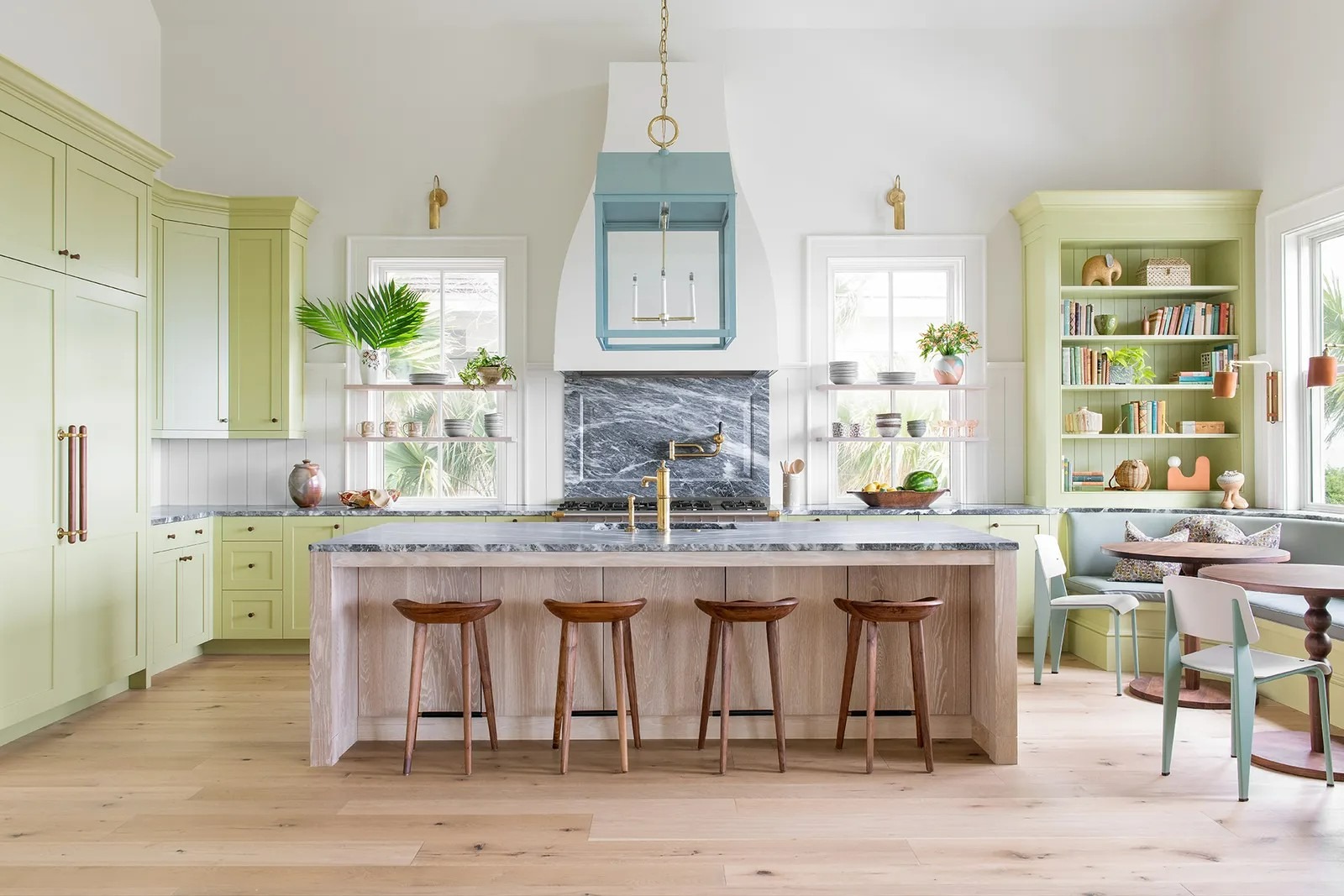
Many kitchens look stunning in photographs — smooth surfaces, seamless cabinetry, and sculptural islands arranged with perfect symmetry. Yet behind the visual harmony, daily routines can feel unexpectedly awkward: drawers collide, appliance doors obstruct walkways, and preparation space proves insufficient when it is needed most. What appears composed on camera may struggle to support the practical rhythms of everyday living.
The modern kitchen is now the centrepiece of the home, where cooking, socialising, working, and living converge. At Loren Ng Designs, we believe true design excellence lies in the quiet harmony between form and function — where spatial planning is guided by human movement, habits, and long-term usability, allowing beauty to enhance experience rather than obstruct it.
Mistake 01: Prioritising Visual Symmetry Over Workflow Efficiency
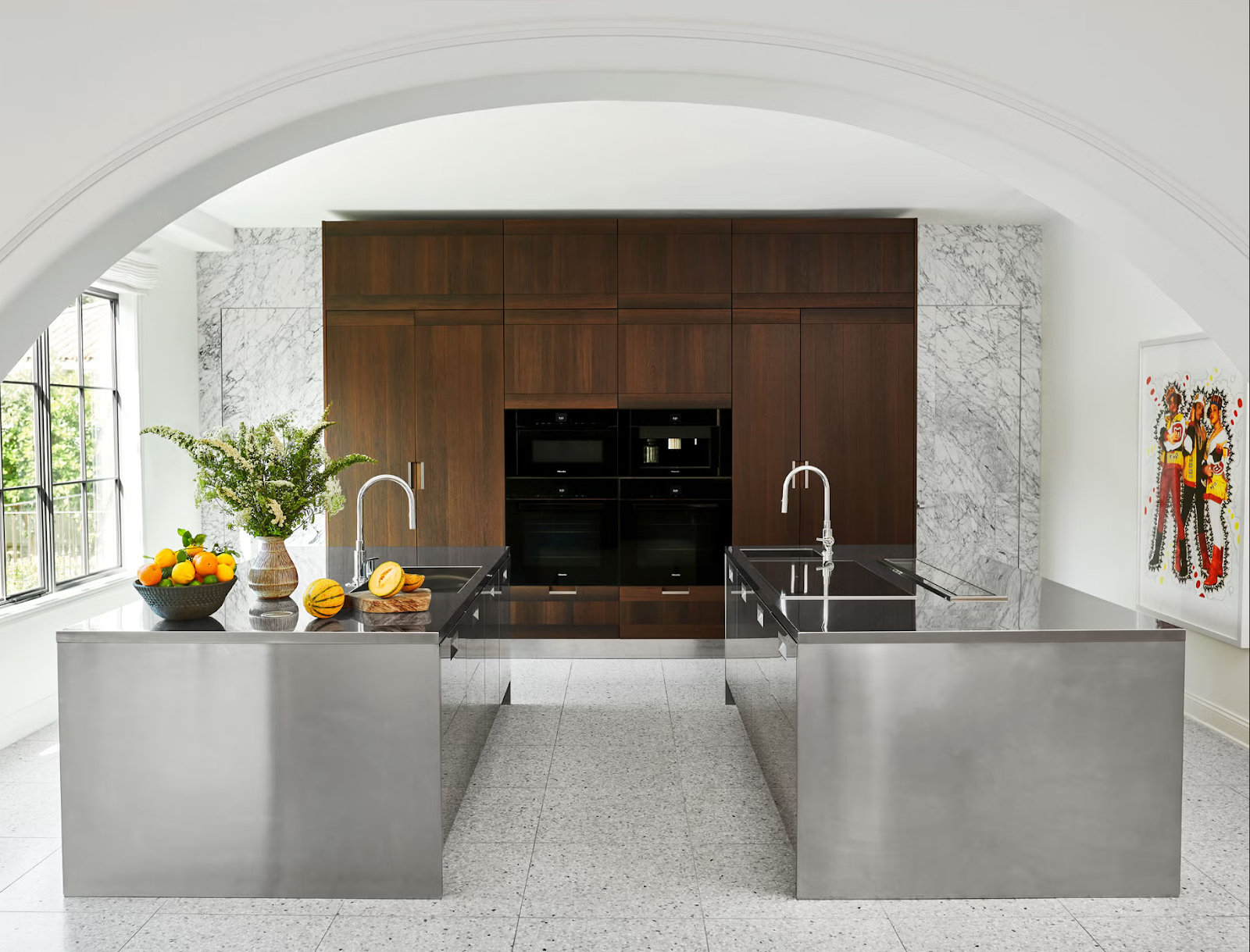
One of the most common design oversights occurs when visual composition takes precedence over functional zoning. While symmetry and clean lines create visual calm, kitchens that ignore workflow planning often feel unintuitive during daily use.
Kitchen zoning introduces structure by dividing the space into purposeful zones that support natural cooking sequences. Alongside zoning, designers often reference the classic kitchen work triangle — the spatial relationship between the sink, hob, and refrigerator — which forms the core circulation path within a kitchen.
When both zoning and the work triangle are thoughtfully considered, movement becomes fluid and efficient. When overlooked, users may find themselves repeatedly crossing the kitchen or overlapping circulation routes with other household members.
Solution: Structuring Kitchens Through Functional Zoning
To avoid inefficient workflow, kitchens should be intentionally organised into clearly defined functional zones. Designing with zoning in mind allows daily tasks to unfold naturally, reducing unnecessary movement while improving comfort and usability.
- Preparation Zone
- Cooking Zone
- Cleaning Zone
- Storage Zone
- Serving And Social Zone
By structuring the kitchen around these zones, the space becomes better equipped to support multiple users simultaneously, particularly in open-plan homes where cooking, dining, and social interaction often overlap.
Mistake 02: Designing Kitchen Islands As Decorative Centrepieces
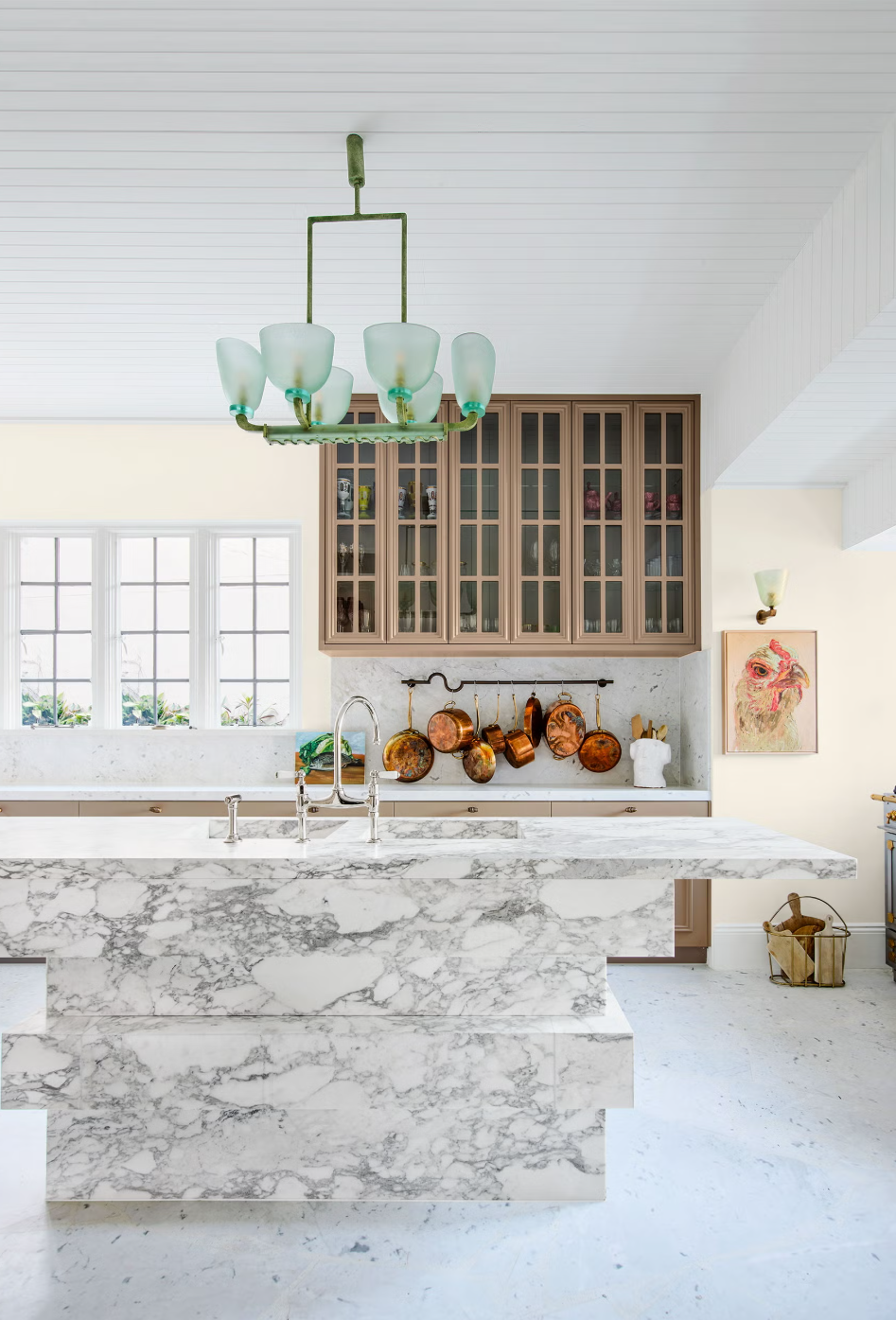
Kitchen islands are frequently introduced as statement features, yet their scale and placement can unintentionally disrupt circulation and usability. A visually striking island that lacks ergonomic planning may obstruct appliance access or reduce valuable workspace.
Achieving the correct island proportion requires balancing spatial clearance, workflow adjacency, and functional versatility. A well-designed island should support preparation, storage, and social interaction without interrupting movement.
Solution: Planning Kitchen Islands As Functional Spatial Anchors
Rather than treating the island as a purely visual centrepiece, it should be designed as a functional anchor that enhances workflow and spatial connectivity.
- Maintain Adequate Circulation Clearance
- Allow Appliance Door And Drawer Access
- Integrate Convenient Power Points
- Provide Sufficient Preparation Surface
- Position The Island Close To Key Work Zones
When these considerations are addressed, the island transforms into a versatile workspace that supports both cooking and social interaction.
Mistake 03: Treating Lighting As A Decorative Afterthought
Lighting is often approached as a finishing aesthetic layer rather than a functional necessity. Kitchens that rely solely on ambient lighting frequently lack adequate visibility for safe and precise food preparation.
Solution: Layering Lighting To Support Both Function And Atmosphere
To prevent shadowed work surfaces, kitchens should adopt a layered lighting strategy that supports both practical and atmospheric needs.
- Ambient Lighting For Overall Illumination
- Task Lighting For Preparation And Cooking Areas
- Accent Lighting To Enhance Spatial Depth
- Adjustable Lighting For Flexible Day-To-Night Use
Layered lighting ensures the kitchen remains practical for food preparation while maintaining a warm and inviting ambience suitable for entertaining and family gatherings.
Mistake 04: Concealing Storage Without Understanding Daily Habits
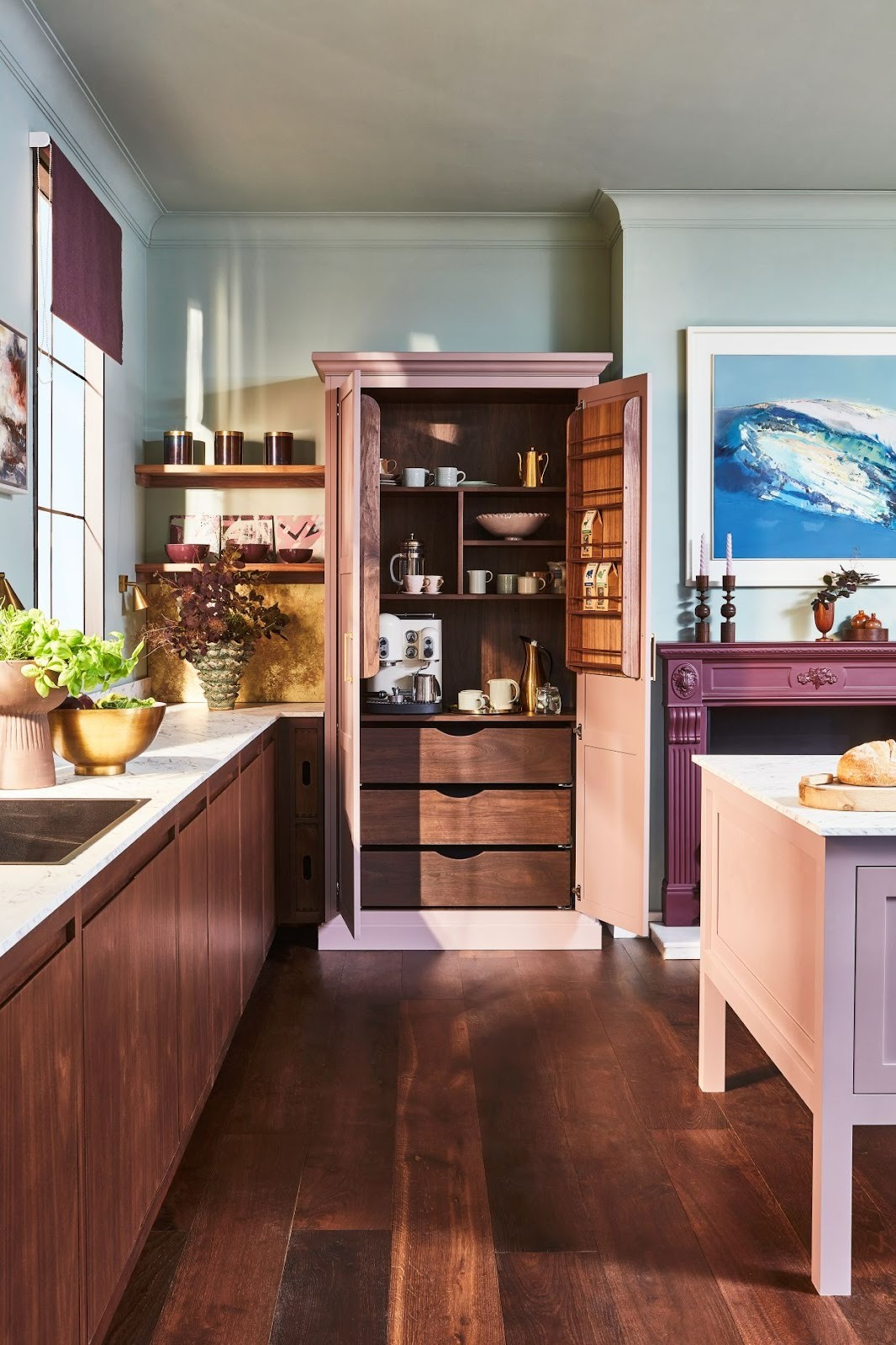
Minimalist cabinetry often prioritises visual simplicity, yet storage designed without behavioural insight can create long-term inconvenience. Kitchens that appear visually organised may still feel inefficient when everyday items are difficult to access.
Solution: Designing Storage Around Everyday Cooking Behaviour
Effective kitchen storage begins with understanding how homeowners cook, organise groceries, and use appliances.
- Store Frequently Used Items Within Comfortable Reach
- Position Tools Near Their Functional Work Zones
- Use Drawer Dividers To Maintain Organisation
- Allocate Dedicated Storage For Small Appliances
- Plan Storage Based On Ergonomic Reach Ranges
Behaviour-led storage planning helps the kitchen remain intuitive and efficient while preserving a clean and uncluttered appearance.
Mistake 05: Selecting Materials Based Solely On Aesthetic Appeal
Material choices often reflect current design trends rather than long-term performance requirements. Kitchens are high-use environments exposed to heat, moisture, stains, and frequent cleaning.
Solution: Selecting Materials That Balance Aesthetic Beauty With Performance
Material selection should extend beyond appearance to consider durability, maintenance, and longevity.
- Prioritise Heat And Moisture Resistance
- Consider Maintenance And Cleaning Requirements
- Select Durable Materials For High-Use Surfaces
- Ensure Flooring Provides Slip Resistance
- Choose Materials That Age Gracefully Over Time
When materials are selected with both performance and visual harmony in mind, the kitchen remains refined while supporting daily functionality.
Mistake 06: Overlooking Cultural And Lifestyle Realities
Functional kitchen design must reflect how households genuinely cook and live. In many Asian homes, cooking involves high-heat stir-frying, heavier spice usage, and multi-dish preparation, generating greater heat and moisture compared to Western cooking methods. Multi-generational households may also require kitchens that accommodate simultaneous users with varying ergonomic needs.
For further insight into Asian cooking habits and spatial considerations, explore our blog: Designing Kitchens That Truly Support Asian Cooking And Daily Living.
Solution: Designing Kitchens Around Lifestyle And Cultural Realities
Kitchens perform best when they reflect real lifestyle patterns and household dynamics.
- Consider Cooking Frequency And Intensity
- Support Multi-Generational Household Needs
- Plan For Entertaining And Social Interaction
- Integrate Appliances Based On Usage Habits
- Provide Adequate Ventilation For Asian Cooking Methods
Designing with cultural and behavioural context ensures kitchens remain adaptable, comfortable, and relevant to long-term living needs.
Designing Kitchens With Enduring Form And Function
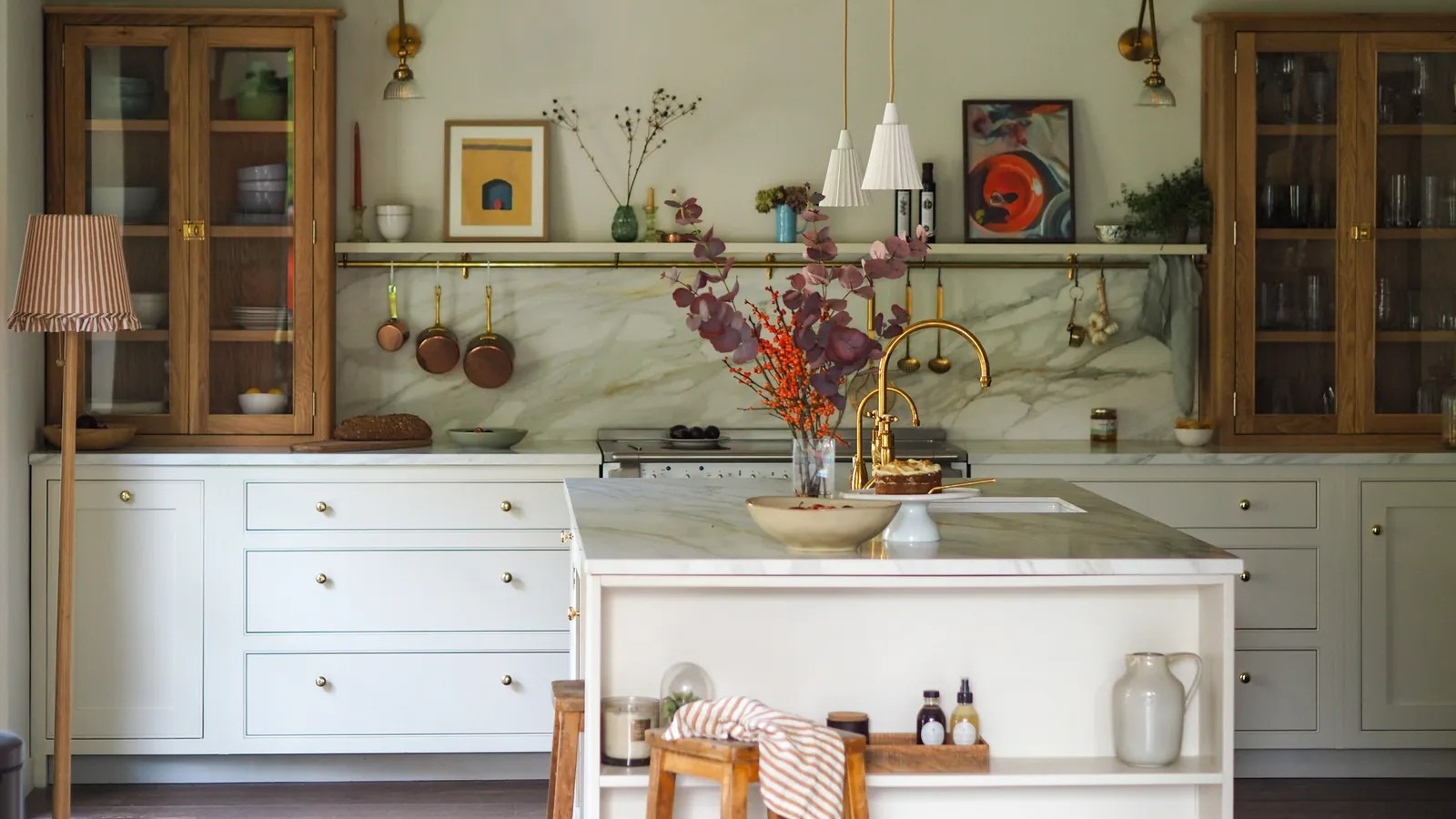
A kitchen that succeeds both aesthetically and functionally is rarely accidental. It emerges from a design process grounded in observation, behavioural understanding, and spatial precision. Rather than limiting creativity, functionality provides the structure that allows design to remain relevant and graceful over time.
At Loren Ng Designs, kitchen design is approached as an exercise in spatial storytelling — crafting environments that quietly support daily rituals while maintaining refined visual harmony. A truly beautiful kitchen is one that continues to perform effortlessly years after completion, adapting to evolving lifestyles while preserving its design integrity.
Thinking About Transforming Your Kitchen Experience?
A kitchen designed around your daily routines creates a space that feels effortless, functional, and deeply personal.
Discover with us how thoughtful spatial design can bring lasting comfort and elegance into your home.
📩 ask@lorenngdesigns.com
📷 @loren_ng_designs
Posted by:


BACK TO BLOG
You Might Also Like
.png)