





Designing Kitchens That Truly Support Asian Cooking And Daily Living
6 April 2026
Singapore
Share

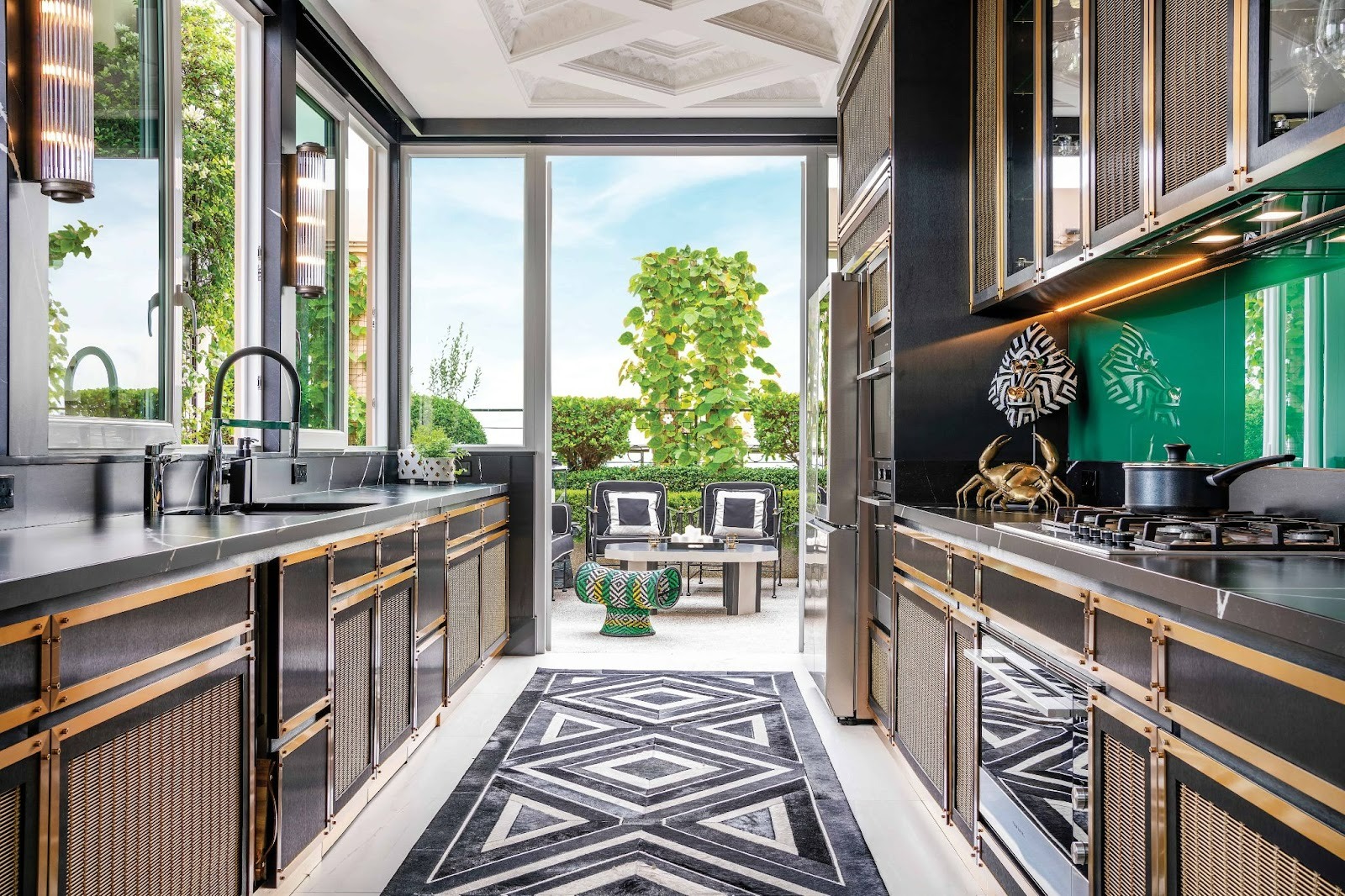
The kitchen is often described as the emotional centre of the home. In many Asian households, however, it is also a space of complexity — where multiple dishes, layered preparation, and time-honoured techniques unfold within a single routine.
At Loren Ng Designs, we believe kitchens should be shaped around these lived patterns rather than generic spatial formulas. When design responds thoughtfully to real cooking habits, the space becomes not only efficient but quietly intuitive — supporting both expressive cuisine and everyday life.
Understanding The Nature Of Asian Cooking
The Functional Demands Of Asian Cooking
Asian cuisines are characterised by remarkable diversity, yet many share technical and sensory demands that shape how kitchens must function. Across East, Southeast, and South Asian cooking traditions, several cooking methods consistently influence how kitchen environments need to perform:
- High-Heat Stir-Frying
- Extended Simmering And Braising
- Steaming Using Multi-Layered Equipment
- Deep-Frying With Oil-Intensive Techniques
These methods generate stronger aromas, increased humidity, and greater heat output compared to many Western cooking approaches, requiring kitchens to support both environmental control and spatial efficiency.
Preparation As A Structured Process
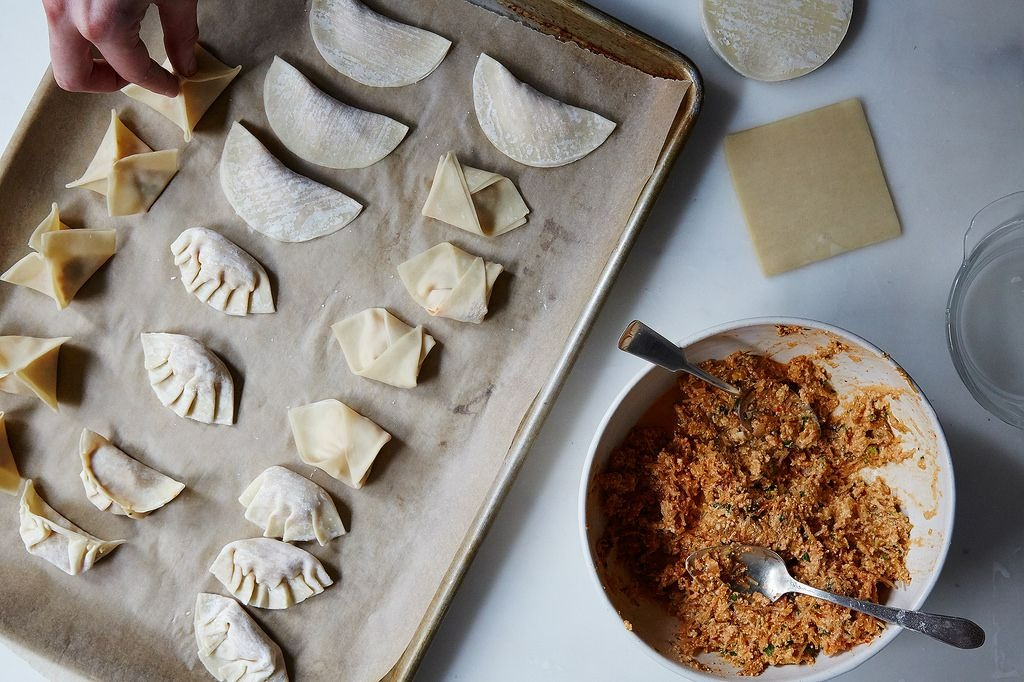
Beyond cooking techniques, ingredient preparation forms a significant part of the culinary process. Many Asian cuisines require structured and layered preparation processes, often involving:
- Washing Fresh Herbs And Leafy Vegetables
- Chopping Whole Ingredients And Proteins
- Sorting And Rehydrating Dried Goods
- Preparing Layered Spice Bases And Condiments
Asian kitchens also tend to prioritise speed, simultaneous dish preparation, and precise heat control. These distinctions influence spatial planning decisions, from appliance selection to kitchen zoning.
This is where many Asian kitchens begin to fail in practice.
1. When Standard Kitchen Layouts Limit Workflow
Many contemporary kitchens are designed around lighter Western cooking assumptions — fewer dishes prepared at once, shorter preparation time, and less oil-intensive techniques. The traditional work triangle works efficiently in those scenarios, but it does not always accommodate the layered workflow common in Asian households. Kitchens designed for Asian cuisine highlight the need for parallel workflow and zone clarity.
Common Workflow Oversights
- Insufficient Preparation Surface Near The Sink
- Limited Counter Space For Simultaneous Dish Assembly
- Narrow Walkways That Restrict Multi-User Movement
- Cooktop-Centric Layouts That Ignore Preparation Rituals
Ventilation is another frequent shortfall. Undersized extractor hoods, recirculating systems, or improper installation height allow smoke and grease to travel into adjacent living areas.
Long-Term Consequences Of Poor Ventilation
- Compromised Indoor Air Quality
- Accelerated Surface Wear
- Grease Settling On Cabinetry And Upholstery
- Discomfort During Extended Cooking Sessions
A kitchen may appear refined, yet feel heavy in daily use.
2. When Storage Fails To Support Real Cooking Habits
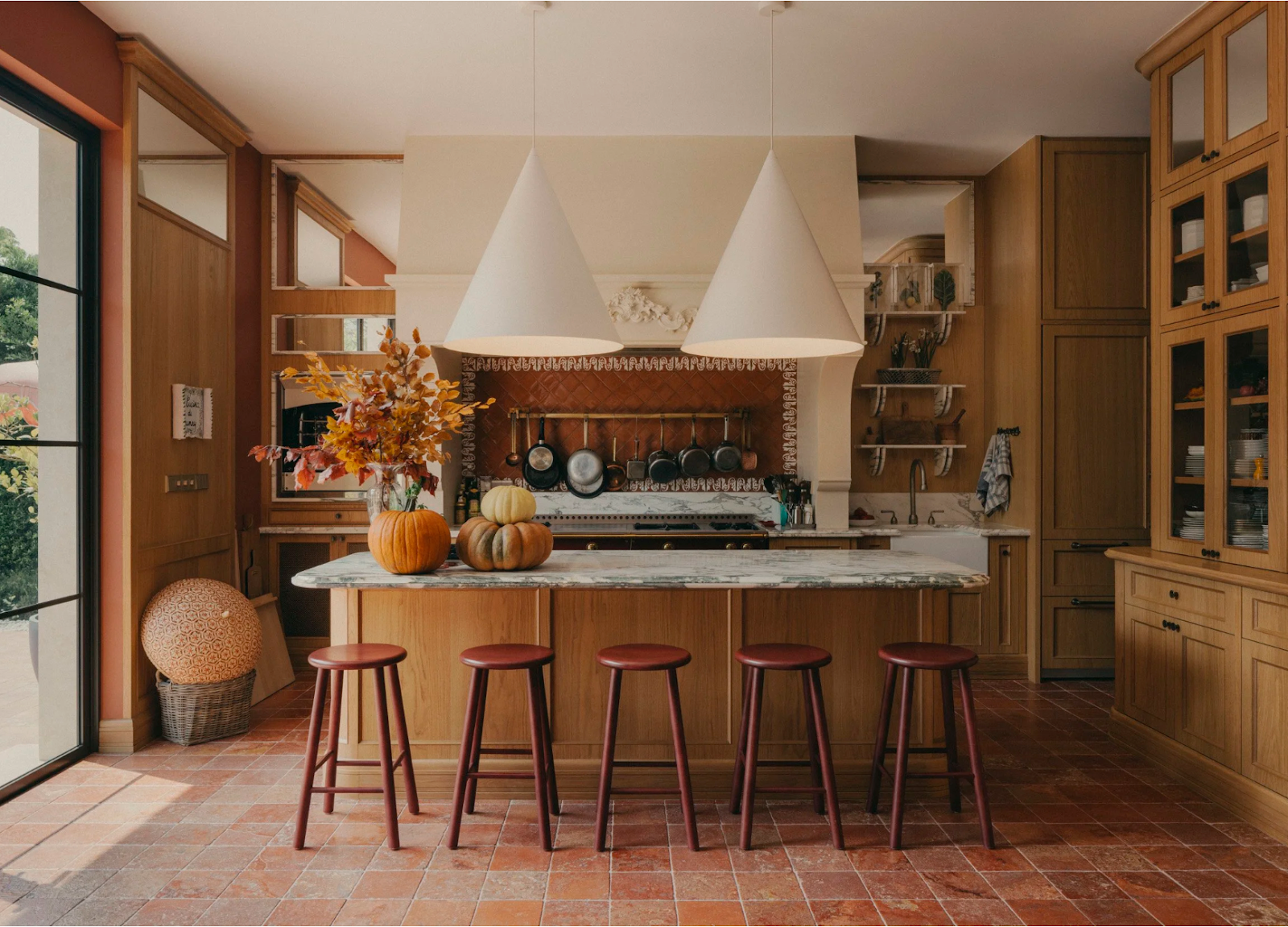
Asian cooking often involves a wider range of specialised tools and equipment than standard cabinetry is designed to accommodate. As a result, conventional cabinet dimensions and internal configurations frequently prove insufficient for everyday use.
Frequently used cooking tools include woks, steam baskets, cleavers, mortar and pestle sets, rice cookers, and bulk dry ingredient containers — each requiring thoughtful storage consideration to remain accessible without overwhelming work surfaces.
Storage Challenges Homeowners Commonly Face
- Countertops Becoming Permanent Storage Zones
- Larger Tools Stacked Inefficiently
- Condiments Stored Too Far From Cooking Areas
- Visual Clutter That Disrupts Calmness
Storage must reflect culinary diversity, not simply square footage.
3. When Heavy Cooking And Hosting Compete For The Same Space
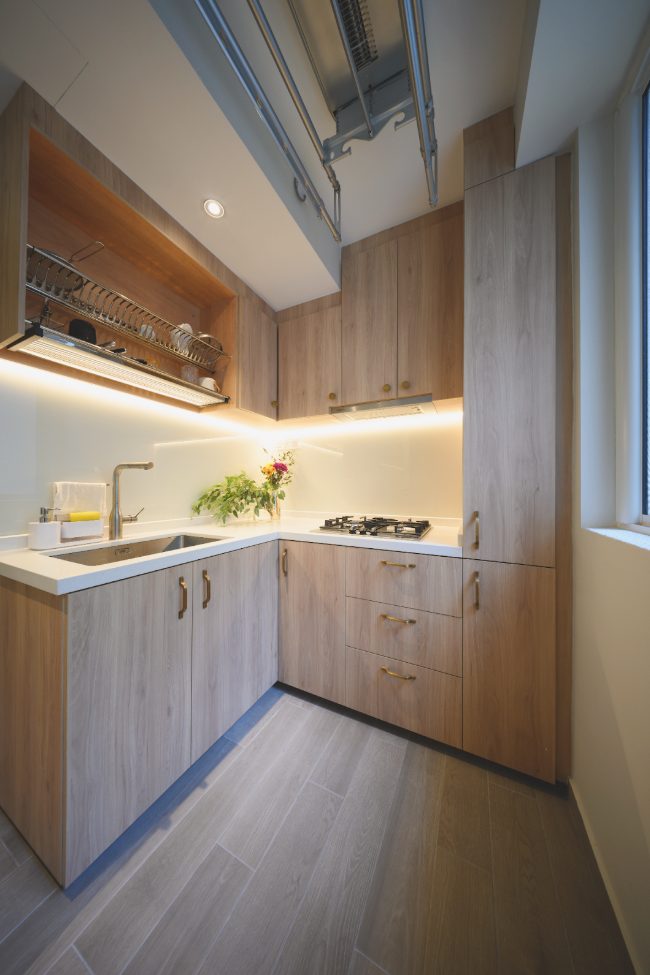
In open-plan homes, heavy cooking and social entertaining often share the same footprint. Without zoning, homeowners frequently find themselves negotiating between functionality and presentation.
Common hosting frustrations often include; resetting the kitchen before guests arrive, avoiding oil-intensive cooking during gatherings, managing visible splatter within social zones, and constantly cleaning before and after entertaining.
This is where the wet and dry kitchen concept becomes particularly relevant.
Wet Kitchen
- Oil-Intensive Cooking
- Heavy Ingredient Washing
- Durable And Moisture-Resistant Materials
- Strong Ventilation Integration
Dry Kitchen
- Light Cooking And Beverage Preparation
- Plating And Serving
- Visual Continuity With Living And Dining Areas
- Entertaining And Hosting Functions
The separation is not about hierarchy — it is about allowing different rhythms to coexist comfortably.
What Changes After A Thoughtful Redesign
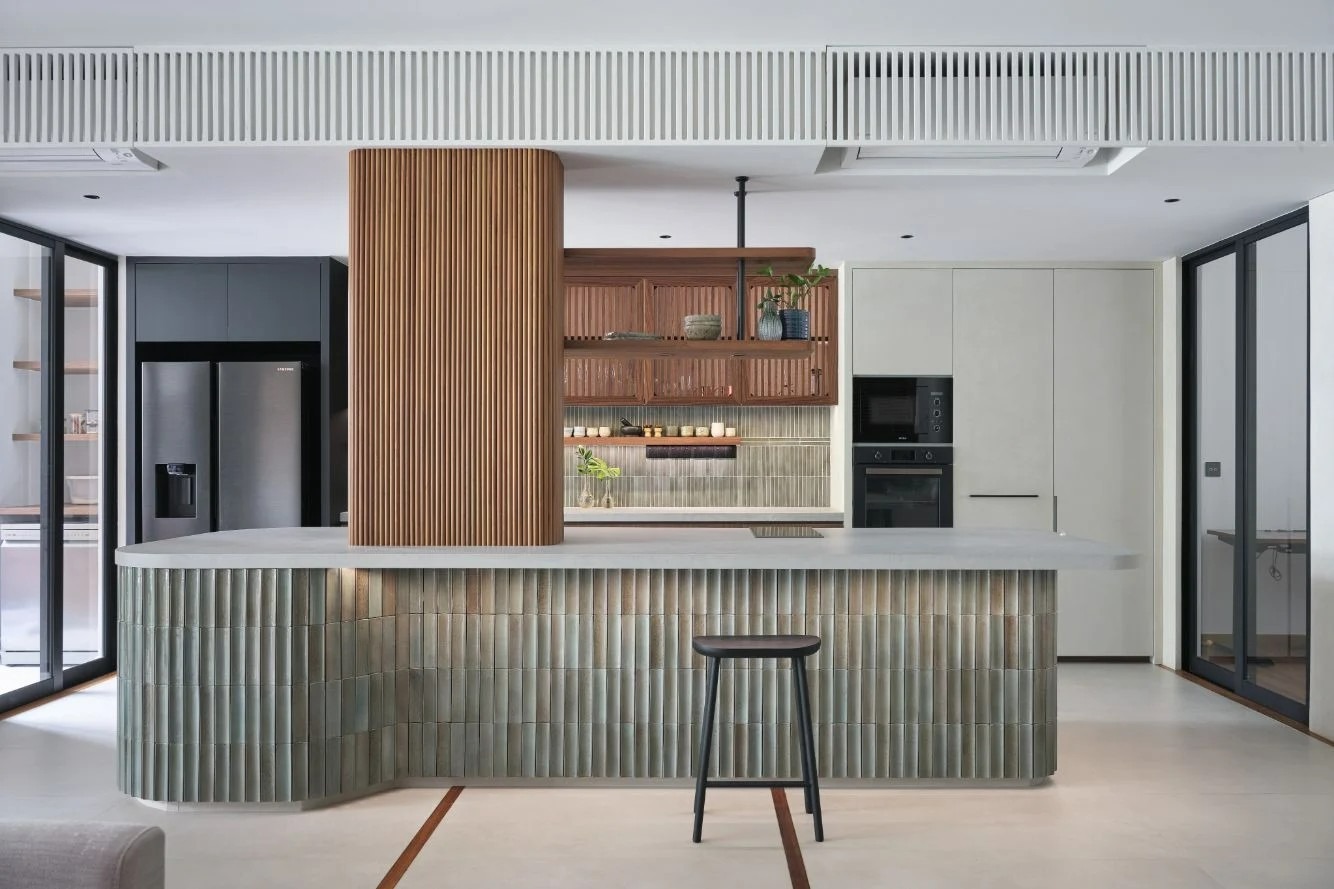
When a kitchen is reconfigured around actual cooking behaviour, the transformation is experiential rather than dramatic.
Improvements Homeowners Notice Immediately
- Air Clears Efficiently During High-Heat Cooking
- Preparation Surfaces Feel Generous And Logical
- Movement Between Zones Becomes Fluid
- Cleaning Becomes Manageable Rather Than Constant
- Multiple Family Members Can Cook Simultaneously
Preparation zones are positioned logically between sink and cooktop. Deep sinks accommodate bulk washing. Pull-out condiment drawers reduce repetitive reaching. Pantry systems organise dry goods by usage frequency.
The kitchen begins to feel intuitive.
Designing For How Households Truly Live
Beyond function, many Asian kitchens serve as transitional spaces where daily rituals overlap — morning tea preparation, layered dinner routines, and conversations that extend naturally into adjacent areas.
When circulation is widened, sightlines are considered, and zoning is thoughtfully resolved, these rhythms coexist without tension.
At Loren Ng Designs, we believe that when design responds to the way you truly live, the result is a space that supports expressive cooking and quiet connection.
A well-designed kitchen does not demand adaptation from its users.
It adapts to them.
Reimagining Your Kitchen For The Way You Live?
When a kitchen is designed around daily rituals and cooking habits, it becomes more intuitive and meaningful to use.
Let’s explore how your kitchen can better support your lifestyle through thoughtful and considered design.
📩 ask@lorenngdesigns.com
📷 @loren_ng_designs
Posted by:


BACK TO BLOG
You Might Also Like
.png)


