





How Natural Light Moves Through a Floor Plan — And Why It Should Shape Your Layout First
23 March 2026
Singapore
Share


Natural light is often treated as an afterthought—not something you design around, as long as the windows exist. But in a well-considered home, daylight isn’t just “nice to have.” It’s diagnostic. It shows you how the space will actually be experienced across the day—where it feels open or compressed, warm or flat, energising or quiet—long before any material or furniture decision is made.
For example, a corner that catches the morning sun might feel inviting for breakfast, while a shaded nook in the afternoon becomes perfect for reading or reflection.
At Loren Ng Designs, light guides layout from the start, tracing a home’s rhythm: bright in the morning, soft in the afternoon, quiet in the evening. This is where thoughtful spatial design begins: not with walls, but with how light moves through them.
Light As A Spatial Narrative, Not A Fixture Choice
A home is not experienced all at once. It unfolds as a sequence — arrival, movement, pause, retreat. Light is what stitches these moments together. It leads the eye forward, signals where to slow down, and defines which spaces feel active versus calm.
When designers plan with light from the outset, they are not asking where the lamps go. They are asking where the day begins, where it lingers, and where it fades. Natural light creates a rhythm that gives the plan emotional depth, not just visual brightness.
Once we recognise this rhythm, the next step is to observe how sunlight interacts with an existing floor plan — where it enters, how it moves, and where adjustments can enhance daily life.
Reading The Day: How Sunlight Maps Your Layout

As designers, we often work with homes where the structure is already set — walls are standing, windows are fixed, and orientation cannot be changed. Rather than redesigning the shell, our role is to read what exists and help clients work thoughtfully with it.
This allows us to plan rooms with intention by considering:
- Where The Home Faces, and which areas receive morning versus afternoon sun
- How Natural Light Enters Each Space, including depth, angle, and duration
- When Heat Or Glare Becomes An Issue, particularly in west-facing zones
This is why spaces such as studies or work areas are rarely positioned where long afternoon hours would face the harsher west sun. Understanding sunlight’s patterns doesn’t just inform placement of rooms — it also reveals how daily behaviours naturally emerge within those spaces.
For a more in-depth look at how different sun exposures affect natural light, temperature, and comfort in a home, read here.
How Light Defines Daily Behaviour
When daylight is carefully mapped across a floor plan, its influence on daily behaviour becomes immediately legible. Rooms respond to light according to function and rhythm, shaping how they are naturally used throughout the day. This relationship between daylight, comfort, and wellbeing is explored further here.
- Kitchens: Early light supports cooking and prep
- Living areas: Layered light encourages linger and socialising
- Bedrooms: Gentle, delayed exposure supports rest
- Bathrooms: High daylight preserves privacy while brightening
As these daily patterns emerge, light begins to do more than describe behaviour — it starts to organise space itself. In fact, light can act as an invisible architect, defining zones and transitions without the need for walls or partitions.
Zoning Through Natural Light, Not Just Walls
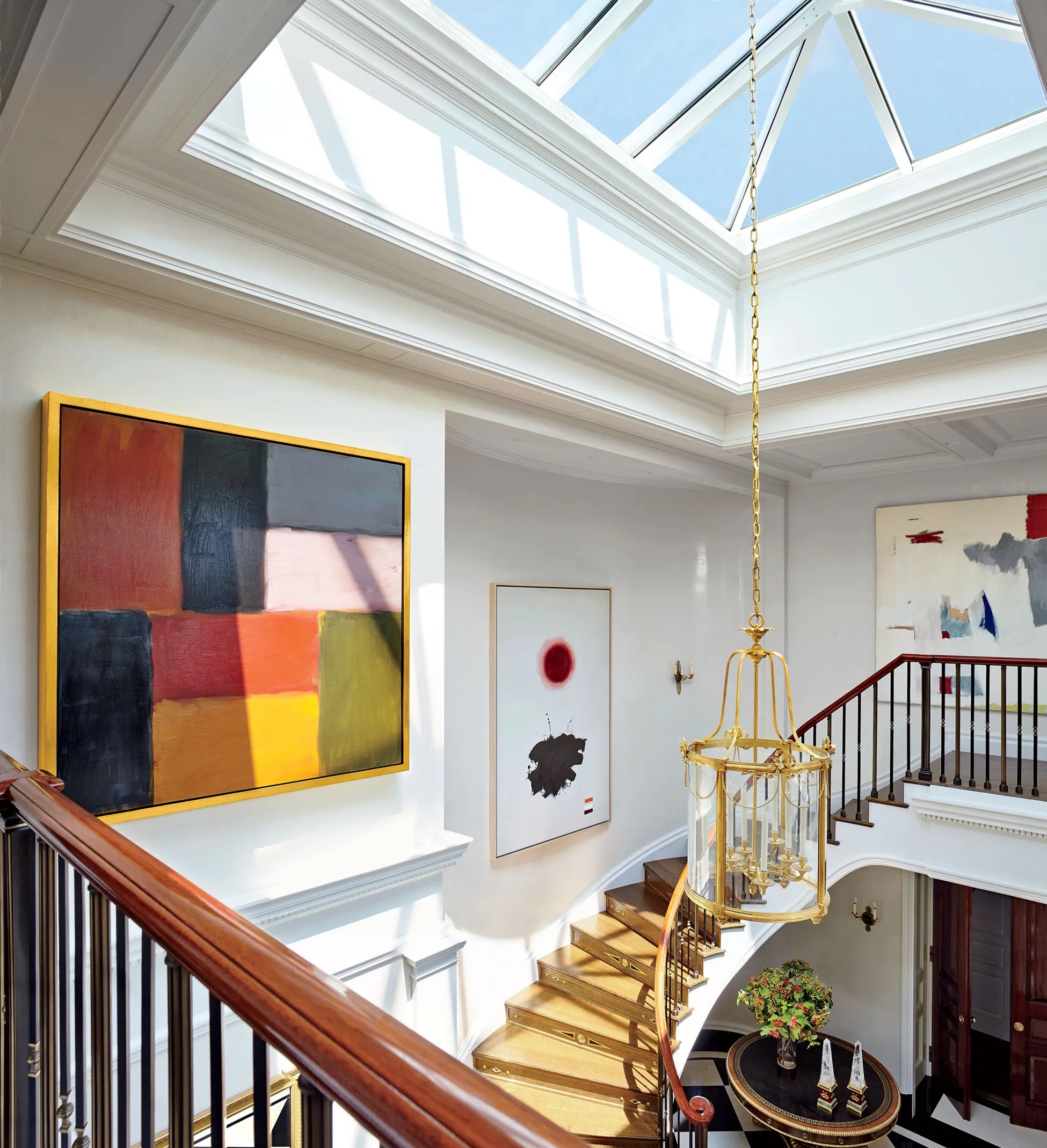
Zoning is more than partitioning; fluid homes rely on light to distinguish areas. Changes in brightness, shadow, and direction create invisible boundaries that feel intuitive rather than imposed.
Instead of dividing a plan into closed rooms, designers can allow light to signal transitions — from public to private, from active to restful — without interrupting flow.
Soft Boundaries And Visual Continuity
When adjacent spaces receive different qualities of light, the brain instinctively reads them as separate zones. Rather than relying on walls or screens, designers often use lighting to suggest boundaries that remain visually open.
- Using Directional Daylight To Draw Attention To Key Areas, such as a dining table positioned beneath a skylight or beside a full-height window, establishing focus without enclosure
- Varying Light Temperature Naturally Across The Plan, such as a warmer, sunlit living area contrasted with a cooler, shaded circulation path
- Introducing Contrast Through Daylight Levels, such as a softly lit reading nook set just beyond a brighter living zone, allowing retreat without visual separation
These techniques demonstrate how light can quietly organise a floor plan, guiding use and movement while preserving continuity.
But while light can shape space on its own, the walls themselves influence how sunlight travels — and together, they create the home’s spatial choreography
The Dialogue Between Walls And Sunlight
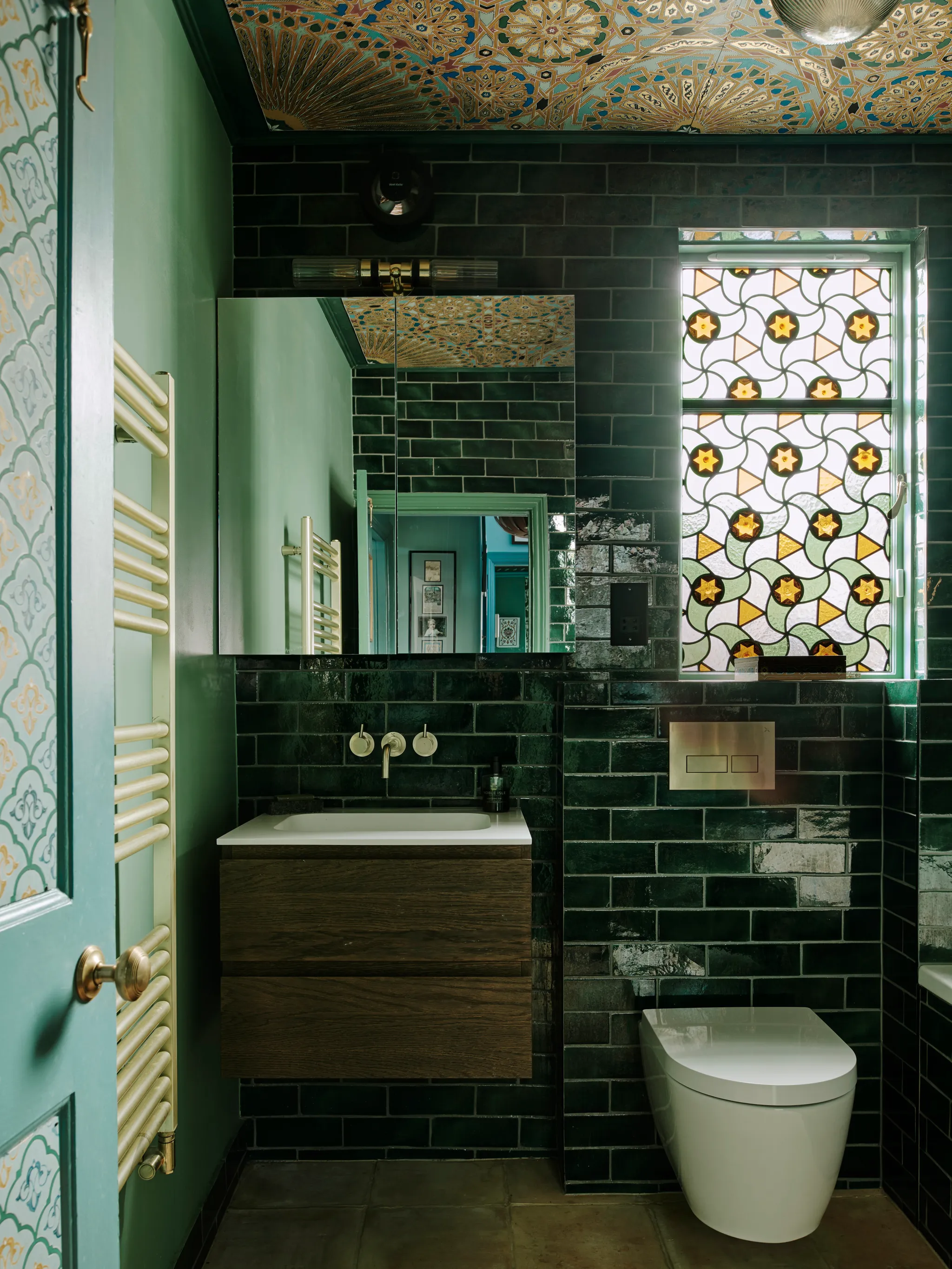
Walls frame how sunlight moves through a space. Thoughtful partitions let light highlight key areas, create depth, and guide daily rhythms — before furniture or finishes. At Loren Ng Designs, walls and sunlight are collaborators: each reveals the other’s impact.
This relationship plays out in real-life layouts:
- Living Area: Deeper wall planes slow and layer incoming light, creating visual interest without harsh exposure.
- Corridors with Borrowed Light: Partial walls or openings let sunlight from adjacent rooms permeate hallways.
- Kitchen Work Surfaces: Short return walls reduce glare while letting light wash over counters.
- Bedroom Rest Zones: Walls block direct afternoon sun while softer light filters in, supporting calm and sleep.
- Bathroom Privacy with Sunlight: High-set walls admit daylight from above while maintaining discretion.
By considering this interplay early, homes feel more intuitive, balanced, and attuned to the natural rhythm of the day. Observing how walls and light interact reveals more than comfort or function — it exposes the home’s character, guiding design choices from the inside out.
Designing From What Reveals
Light does not decorate a home; it reveals it. It exposes how a plan breathes, where it holds tension, and where it offers rest. By allowing light to guide layout decisions from the very beginning, homeowners move beyond trend-driven design toward spaces that feel grounded and enduring.
At Loren Ng Designs, we believe that when a floor plan is shaped by light, it gains clarity — not just visually, but experientially. If you are considering a renovation or reconfiguration, begin not with walls or finishes, but by observing how light wants to move.
The plan will often follow, unfolding naturally as sunlight traces its path through the home.
Considering A Home That Feels More Intuitive?
When light and layout are planned together, spaces begin to support how life actually unfolds.
If you’re exploring what your home could become, let us be part of your renovation or transformation journey.
📩 ask@lorenngdesigns.com
📷 @loren_ng_designs
Posted by:


BACK TO BLOG
You Might Also Like
.png)
.jpeg)


