





Why Visual Clutter Signals a Design Problem — Not Just Too Much Stuff
4 May 2026
Singapore
Share

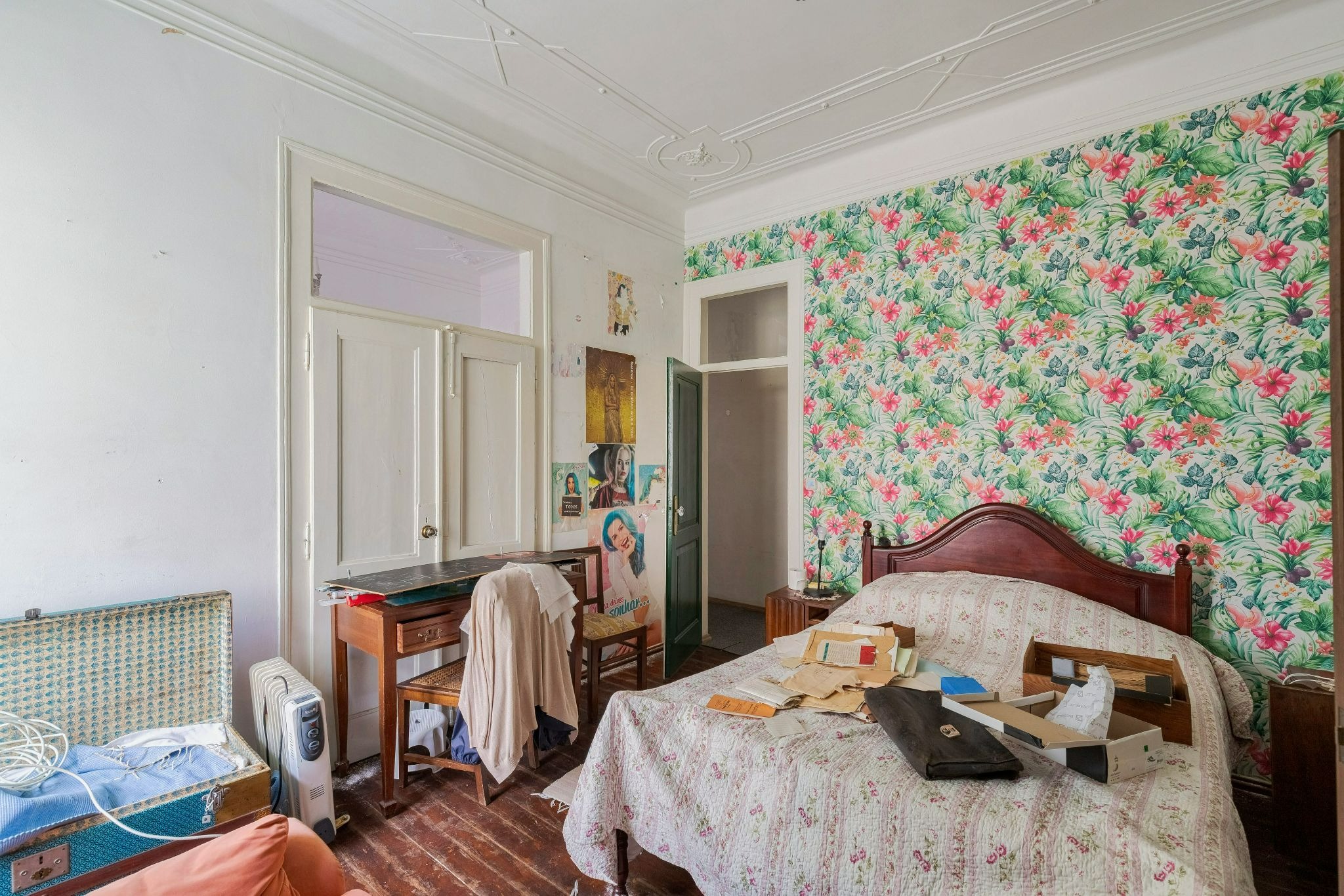
Visual clutter often refers to a matter of excessive amounts of or disorganised objects in a space — too many possessions, too little discipline, too much sentiment. This could overwhelm the brain, increase the stress, and reduce focus, even if the area is technically clean. Yet at Loren Ng Designs, we see something different. When a home feels perpetually untidy despite regular organising, it is rarely about quantity alone. More often, it signals a design misalignment.
A space that does not support daily behaviour will inevitably resist order. Surfaces become storage. Corners become overflowing. Furniture becomes a temporary holding ground. The issue is not simply what is owned, but whether the environment has been shaped around how life actually unfolds.
Reframing visual clutter as a spatial issue, rather than a personal one, shifts the conversation from blame to design.
When Behaviour Outpaces Design
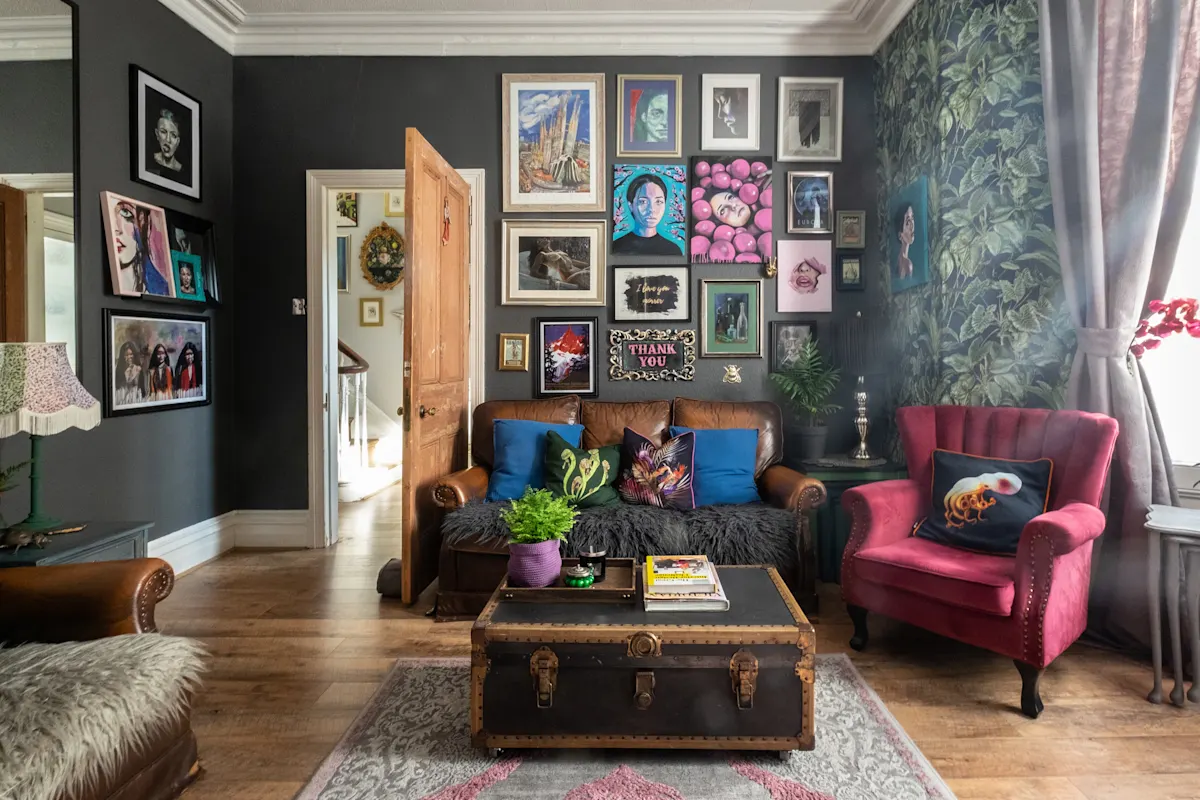
In compact urban homes — particularly in cities such as Singapore — spatial efficiency is essential. Yet efficiency on plan does not always translate to lived ease. Families expand, work becomes hybrid, hobbies multiply. The interior, however, often remains unchanged.
Research published in Environment and Behaviour highlights measurable links between visual clutter and cognitive stress, reinforcing what many intuitively feel: disorder impacts mental clarity and emotional wellbeing.
But telling homeowners to “own less” addresses only part of the equation. As we shared in our blog on decluttering Singapore homes, editing possessions can create clarity — but without thoughtful spatial planning, disorder inevitably returns.
If visual clutter returns to the same surfaces, it suggests that layout, storage capacity, or accessibility has not been calibrated to routine.
These patterns are spatial clues.
The Living Room: Designing For Visible Life
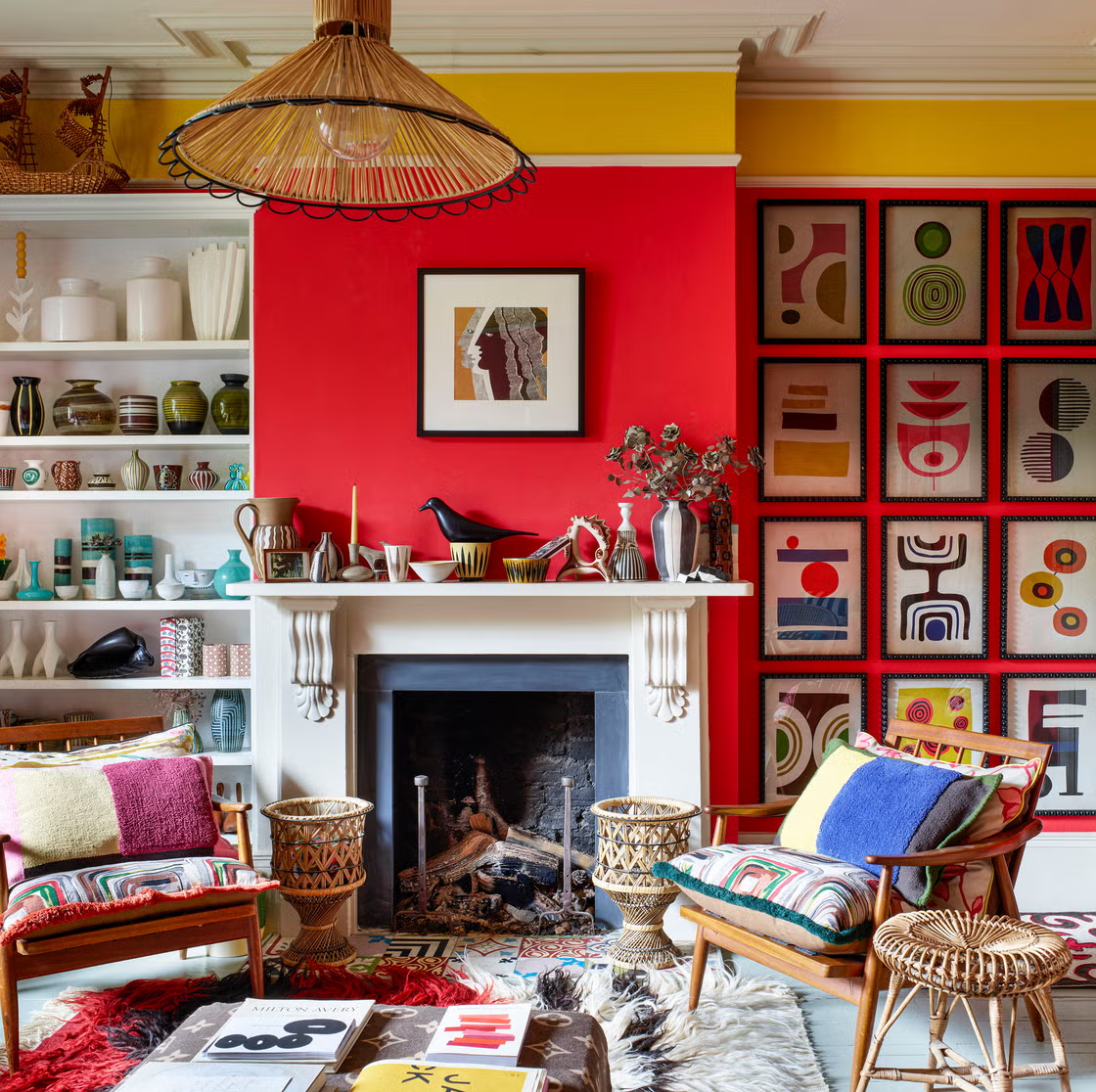
The living room often becomes the most visibly cluttered space because it carries multiple roles — entertaining, relaxing, working, hosting children’s play.
Common accumulation points include:
- Remote Controls And Loose Electronics
- Children’s Toys Without Accessible Bins
- Throws And Cushions Without Contained Storage
- Mail And Parcels Left On Consoles
The instinctive response is to tidy more frequently. A design-led response asks whether the storage exists precisely where these items naturally land.
Is there concealed storage integrated within the TV console? Are toy drawers placed at a child’s height to encourage independent tidying? Is there a discreet drop-zone near the entry for correspondence?
Built-in cabinetry that balances open display with closed storage reduces visual noise without stripping personality. When storage aligns with behaviour, order feels effortless rather than enforced.
The Kitchen: Workflow Before Aesthetics
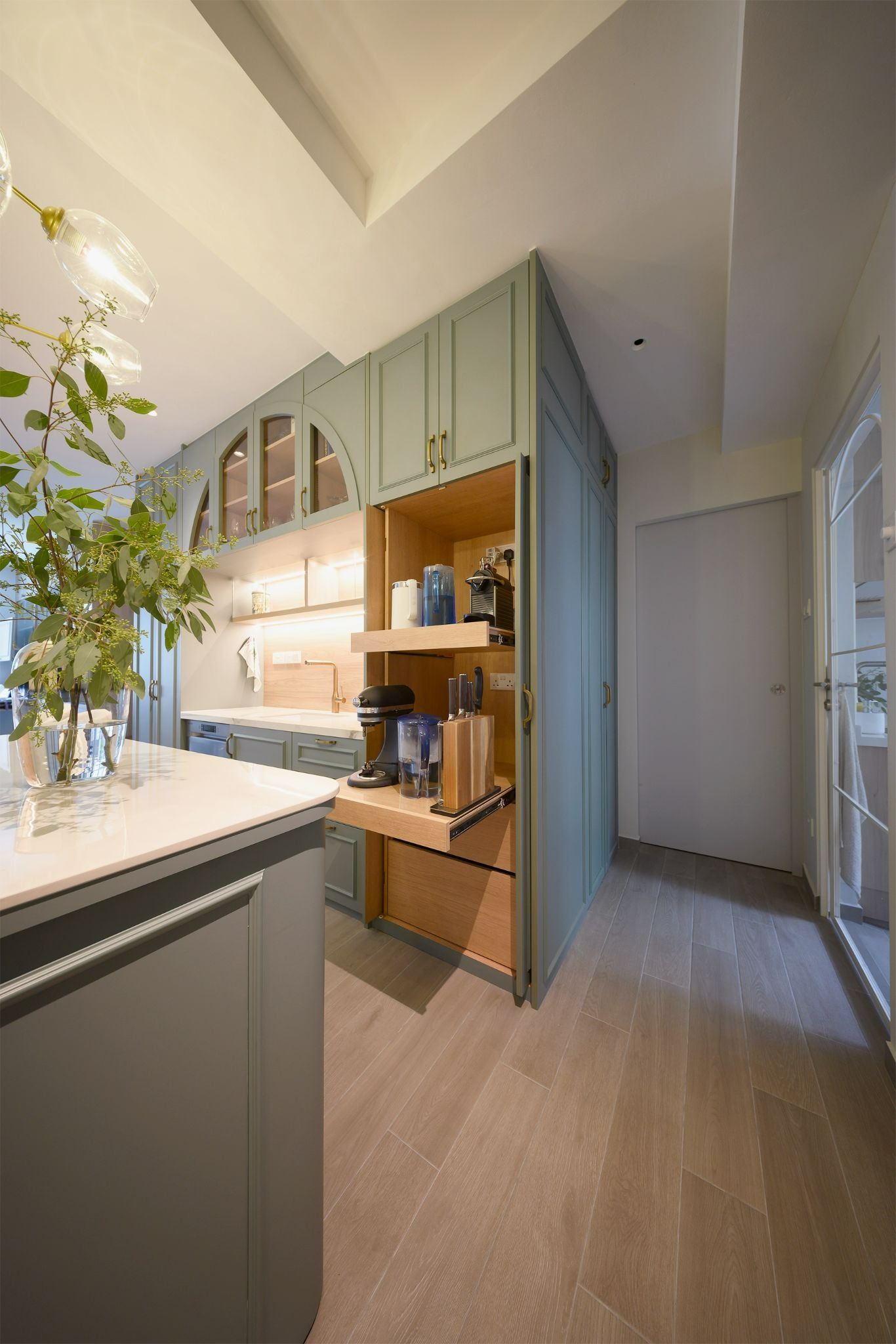
Kitchens frequently appear cluttered not because of excess appliances, but because workflow has not been resolved.
Countertops become crowded when:
- Frequently Used Appliances Have No Allocated Cabinet
- Upper Cabinets Are Too High For Daily Reach
- Internal Shelving Lacks Zoning For Categories
- Pantry Storage Is Insufficiently Planned
Rather than removing appliances altogether, spatial planning might involve adjusting cabinet depths, introducing pull-out pantry systems, or integrating appliance garages that conceal yet remain accessible.
This is why storage planning must begin early. Internal configurations — drawer dividers, vertical trays, concealed compartments — determine whether surfaces remain clear.
A kitchen designed around movement and frequency of use will rarely feel chaotic, even during active cooking.
The Bedroom: Beyond The Chair Of Accumulation

Almost every bedroom has one — a chair quietly collecting worn-once clothing.
This is rarely about laziness. More often, it reflects the absence of transitional storage.
Consider instead:
- Dedicated Sections For Worn-But-Not-Dirty Clothing
- Pull-Out Laundry Compartments Within Wardrobes
- Shallow Drawers For Daily Accessories
- Bed Bases With Integrated Storage
Wardrobes that appear generous externally can be inefficient internally. If shelving is sparse, drawers too deep, or hanging zones poorly proportioned, items default to the nearest surface.
In our wardrobe design guide for compact urban living, we share how thoughtful internal configuration transforms even the most space-constrained bedrooms into structured, intuitive environments.
Good design reduces the distance between use and storage.
Entryways: The Forgotten Pressure Point
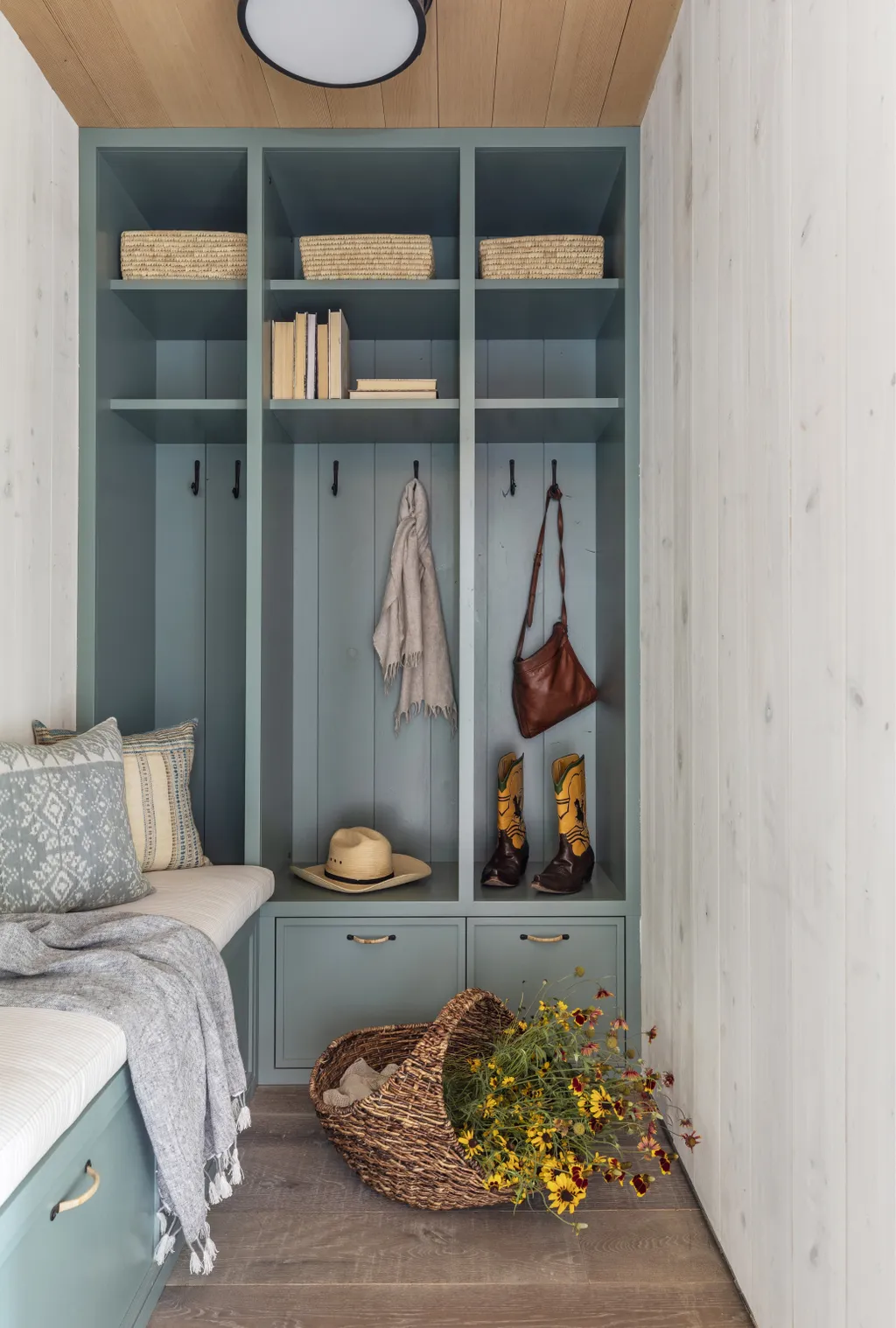
Entryways are often undersized relative to their function. They absorb bags, shoes, keys, deliveries, and daily transitions.
Typical issues include:
- No Concealed Shoe Storage
- Lack Of Hooks At Appropriate Heights
- Absence Of A Drop-Zone For Small Items
- Insufficient Lighting Within Cabinets
A slim, full-height cabinet can increase vertical capacity without disrupting circulation. Internal lighting improves usability. A shallow drawer near the door may eliminate the scattering of keys and receipts.
When the threshold of a home is thoughtfully resolved, the entire interior feels calmer.
The Bathroom: Small Space, High Impact
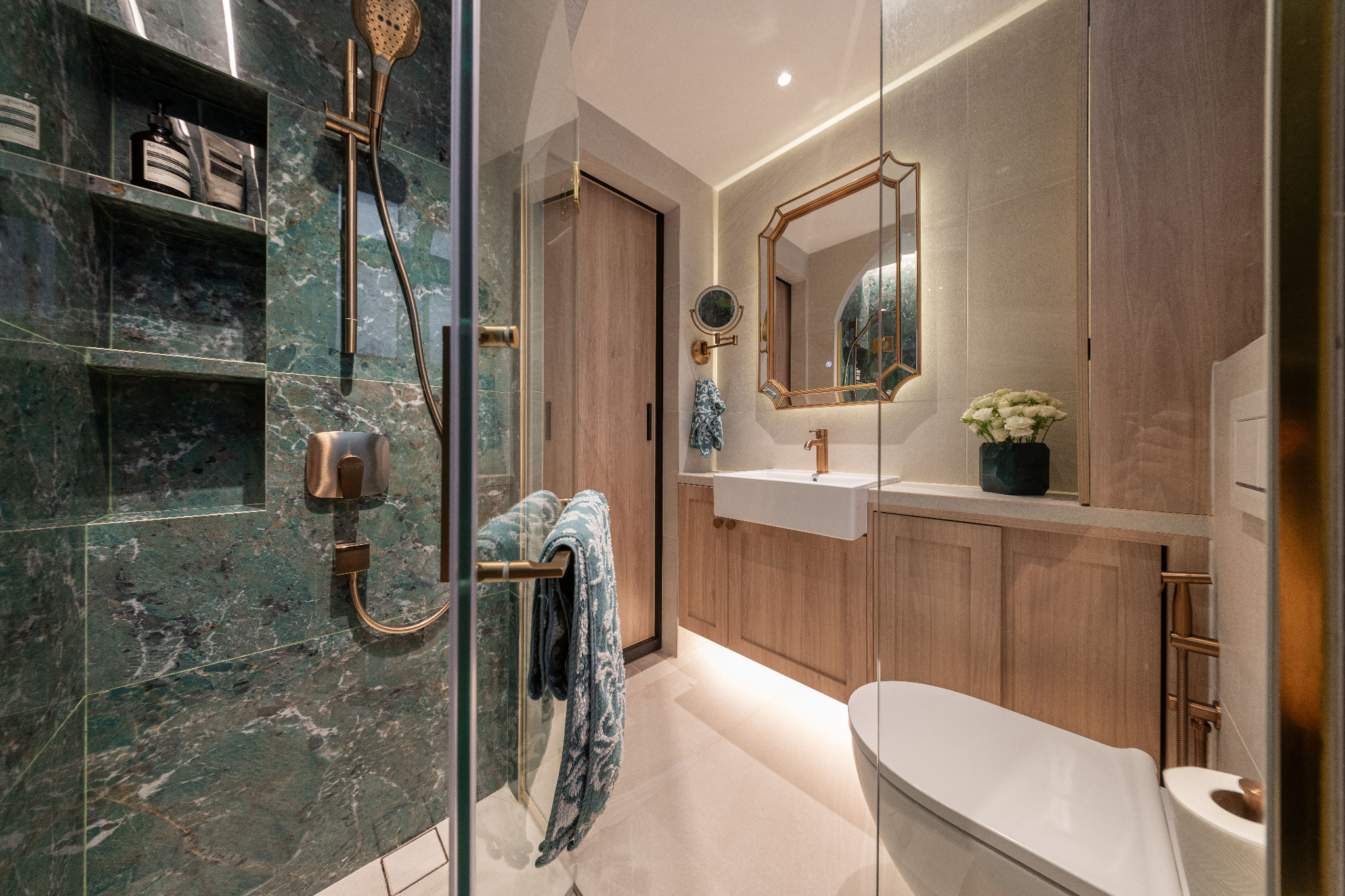
Bathrooms are among the most densely used spaces in the home. Limited square footage, combined with daily routines, makes them particularly vulnerable to congestion.
Common accumulation points include:
- Skincare And Toiletries Left On Countertops
- Cleaning Products Stored Without Zoning
- Towels Without Designated Vertical Storage
- Hair Tools Without Concealed Compartments
When vanity drawers lack internal dividers, products spread horizontally. When mirrored cabinets are too shallow, items migrate outward. When electrical appliances lack concealed storage, surfaces become permanent holding zones.
Practical solutions may include recessed mirrored cabinets that maximise wall depth, vertical towel niches integrated into unused wall segments, and drawer inserts tailored to specific product categories. Even minor adjustments — such as concealed power points within drawers — can significantly reduce visual clutter.
In compact bathrooms especially, verticality is invaluable. Extending cabinetry upwards rather than outwards preserves circulation while increasing hidden capacity.
A bathroom that feels clear and intentional sets the tone for both the beginning and end of the day.
Where Design Meets Daily Life
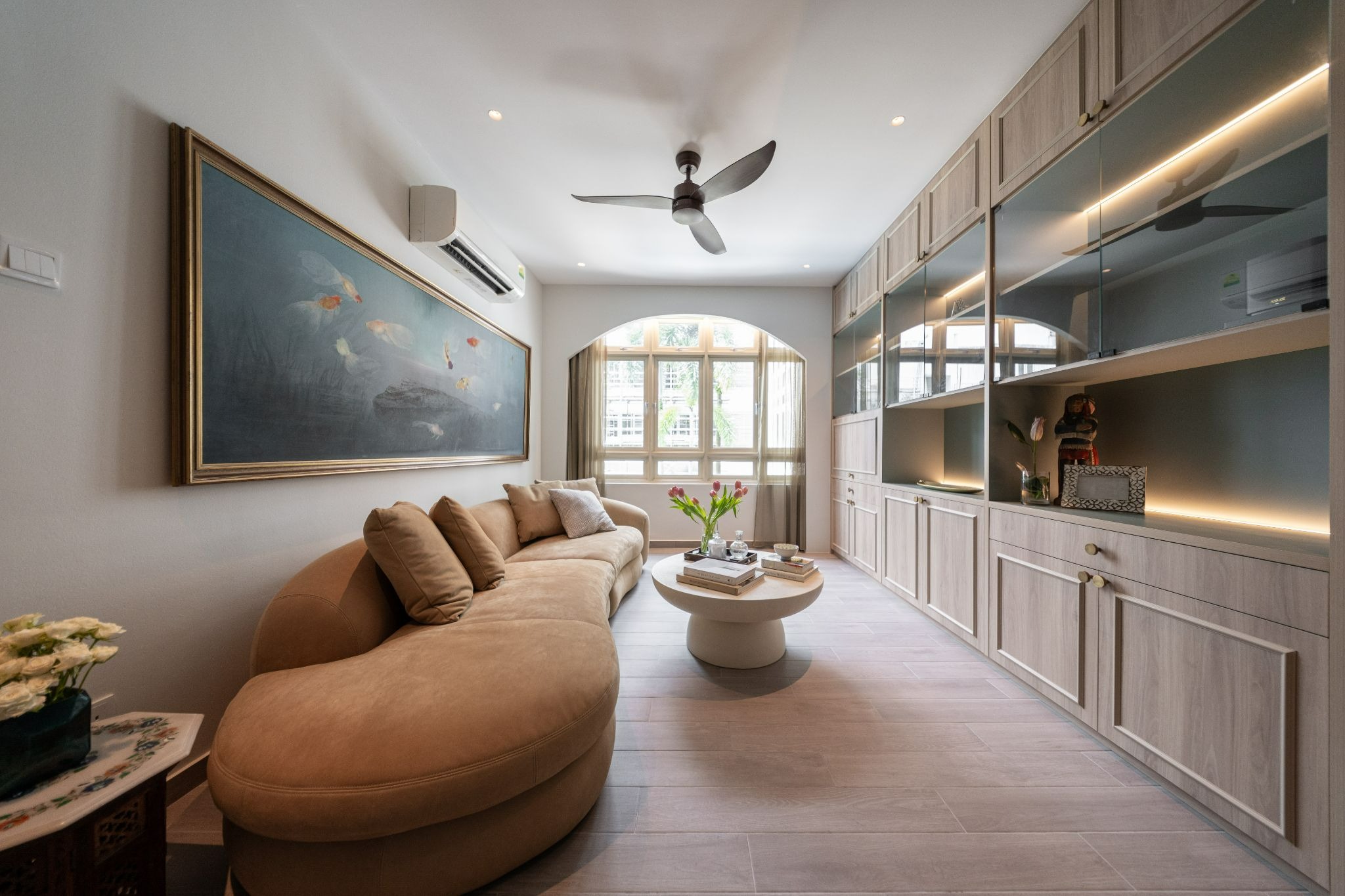
Visual clutter is rarely about carelessness. More often, it is feedback — revealing where behaviour and space have fallen out of alignment.
When we approach disorder as spatial information rather than failure, we begin asking better questions.
Where does this object naturally land?
Why is it inconvenient to return? What friction exists between routine and layout?
At Loren Ng Designs, we believe spatial clarity emerges from alignment — between architecture and behaviour, aesthetics and function, intention and lived experience. When a home is thoughtfully calibrated to its occupants, order becomes intuitive.
Not because there is less.
But because everything finally belongs within a structure designed to hold it.
Designed To Hold Life Thoughtfully
When storage is conceived as part of the architectural framework, visual clutter is no longer a recurring problem — it becomes a resolved one.
Let us help you shape a home that is structured for clarity, longevity, and the life unfolding within it.
📩 ask@lorenngdesigns.com
📷 @loren_ng_designs
Posted by:


BACK TO BLOG
You Might Also Like
.png)
.jpeg)


