

The Psychology Behind Smart Home Organisation (It’s Not Just About Boxes)
11 May 2026
Singapore
Share

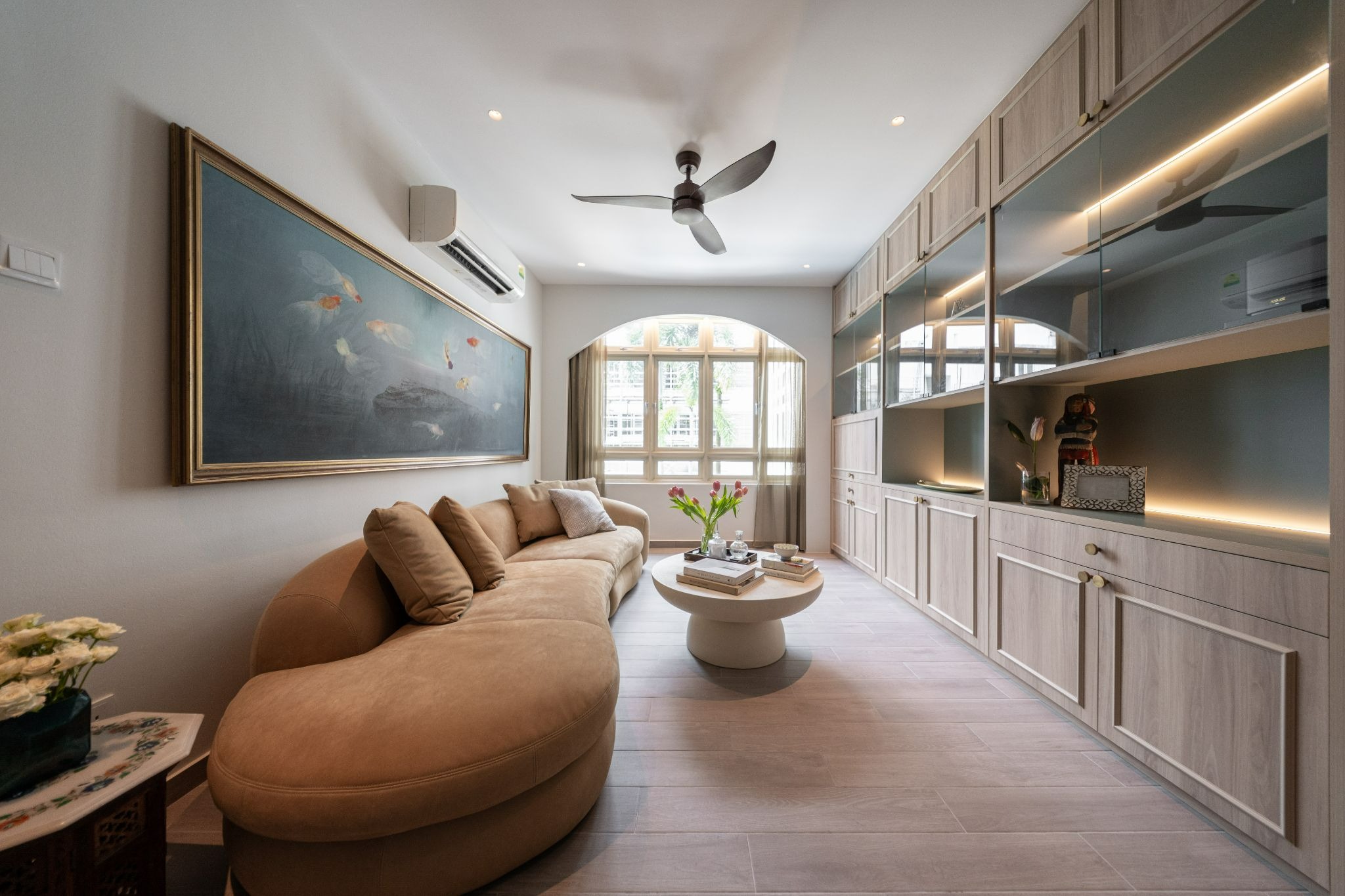
In contemporary Singapore homes — whether a compact condominium or a thoughtfully designed landed residence — organisation is often reduced to storage solutions and container systems. Boxes, baskets and built-in cabinetry are frequently treated as the final answer.
Yet smart home organisation is not a product decision. It is a spatial and psychological strategy.
At its core, organisation reflects how people live, move and accumulate. When approached intentionally, storage becomes an extension of behaviour rather than a visual afterthought.
At Loren Ng Designs, we approach storage as part of the spatial narrative — integrated, deliberate and tailored to how spaces are experienced rather than merely filled.
1. Entry As Psychological Reset
Spatial Psychology
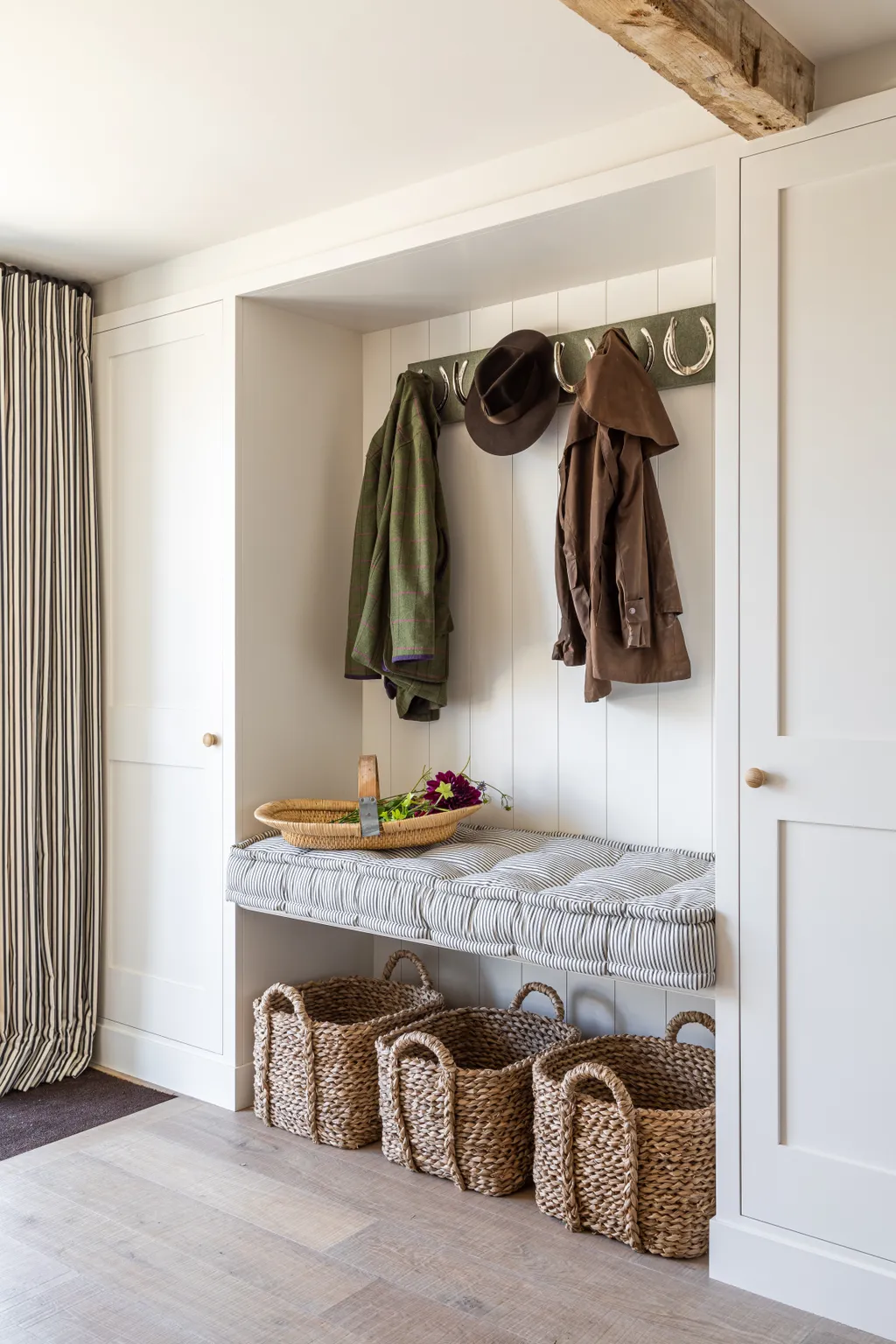
The entrance of a home establishes the emotional tone for everything that follows. In high-density urban living, the boundary between outside and inside is often immediate — particularly in condominiums where the main door opens directly into living spaces.
From a psychological standpoint, the entry should function as a transition buffer. It absorbs the noise of external life before it reaches the core of the home.
When this zone lacks structure, objects accumulate quickly and visual clutter spreads inward.
Spatial Implementation
- Built In Shoe Storage With Ventilation
- Concealed Drop Zones For Mail And Parcels
- Integrated Key And Everyday Object Drawers
- Defined Foyer Zoning In Open Plan Layouts
These elements create containment at the threshold. When items are immediately organised, the space feels intentional from the moment you enter.
Organisation here is not about hiding belongings — it is about creating a deliberate pause between public and private life.
2. Open Plan Living And Visual Discipline
Spatial Psychology
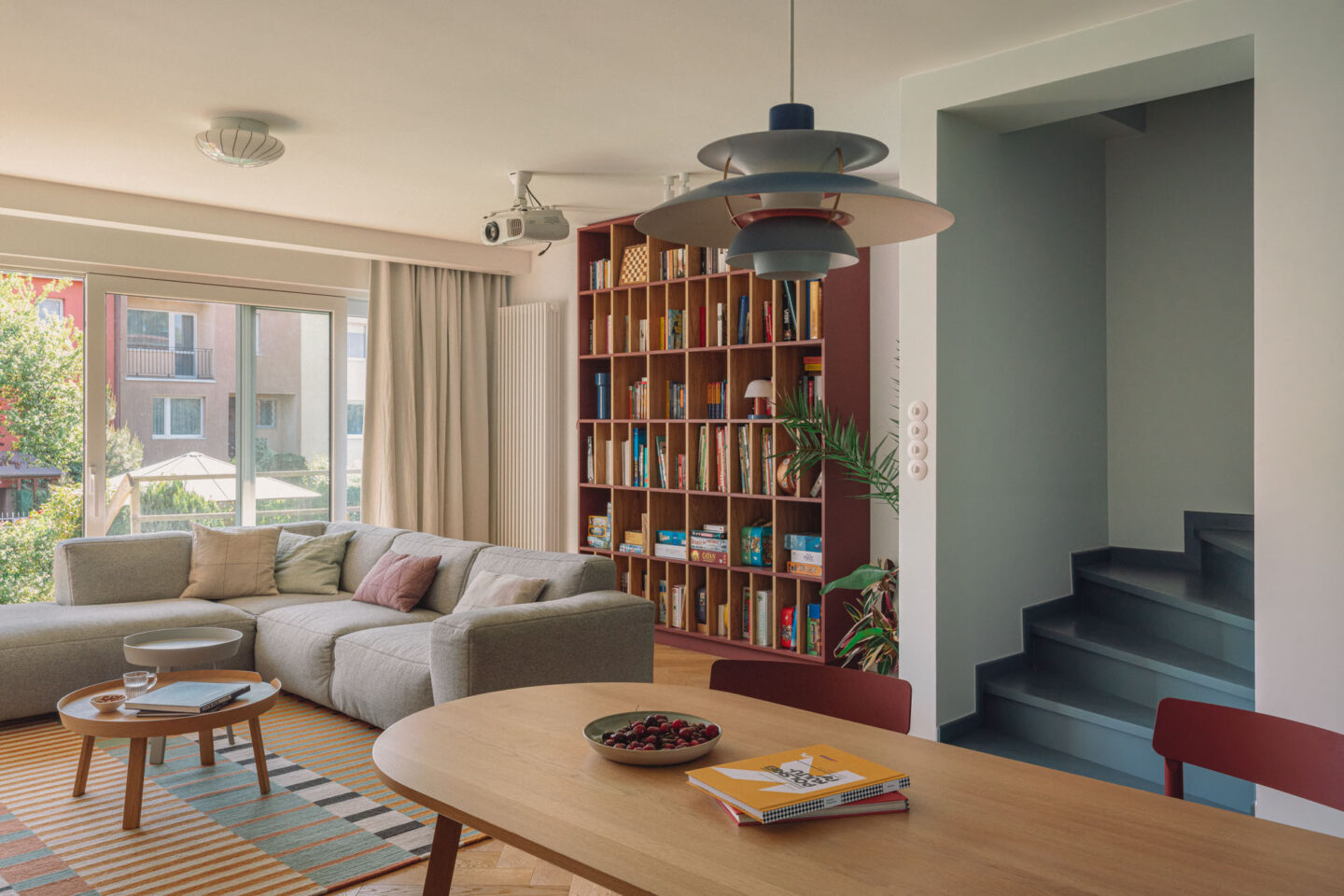
Open-plan layouts are highly desired across Singapore homes for their flexibility and sense of spaciousness. However, spatial openness also increases visual exposure.
When kitchen, dining and living areas connect seamlessly, visual clutter in one zone affects perception across the entire space.
The brain naturally interprets fragmented surfaces and inconsistent object placement as incomplete order — which can subconsciously generate tension.
Spatial Implementation
- Full Height Concealed Storage Walls
- Integrated Appliance Design
- Closed Upper Cabinetry In Compact Kitchens
- Consistent Material Palettes Across Storage Fronts
By aligning storage with architectural lines, cabinetry becomes part of the spatial composition rather than an added layer.
Storage planning is not simply about maximising capacity — it is about anticipating behaviour and embedding structure directly into the built environment.
3. Vertical Zoning In Compact Footprints

Spatial Psychology
In dense urban homes, horizontal surface area is limited — yet vertical space is often underutilised.
Horizontal clutter feels immediate and visually heavy. Vertical layering, however, distributes storage upward and reduces surface congestion.
When belongings are organised vertically, movement remains fluid and visual depth is preserved.
Spatial Implementation
- Floor To Ceiling Storage Systems
- Layered Internal Compartments Within Tall Cabinets
- Overhead Storage For Seasonal Items
- Platform Beds With Concealed Storage
Vertical zoning reframes how we interpret visual clutter. When storage is not embedded into spatial planning, objects default to horizontal accumulation — countertops, consoles and bedside tables become unintended storage platforms. What appears to be “too much stuff” is often a symptom of insufficient architectural intention.
We examine this perspective more closely in our blog: Why Visual Clutter Signals a Design Problem — Not Just Too Much Stuff, where we explore how spatial oversight — rather than personal habit — frequently shapes disorder.
4. Multigenerational Living And Emotional Attachment
Spatial Psychology
Many Singapore households accommodate multiple generations under one roof. With that dynamic comes varied attitudes towards possessions, memory and display.
Organisation in such environments is rarely neutral — it intersects with identity, tradition and personal attachment.
Some objects are functional. Others are sentimental. Others hold cultural or religious meaning.
A well-designed storage system recognises these distinctions and provides spatial clarity for each category.
Spatial Implementation
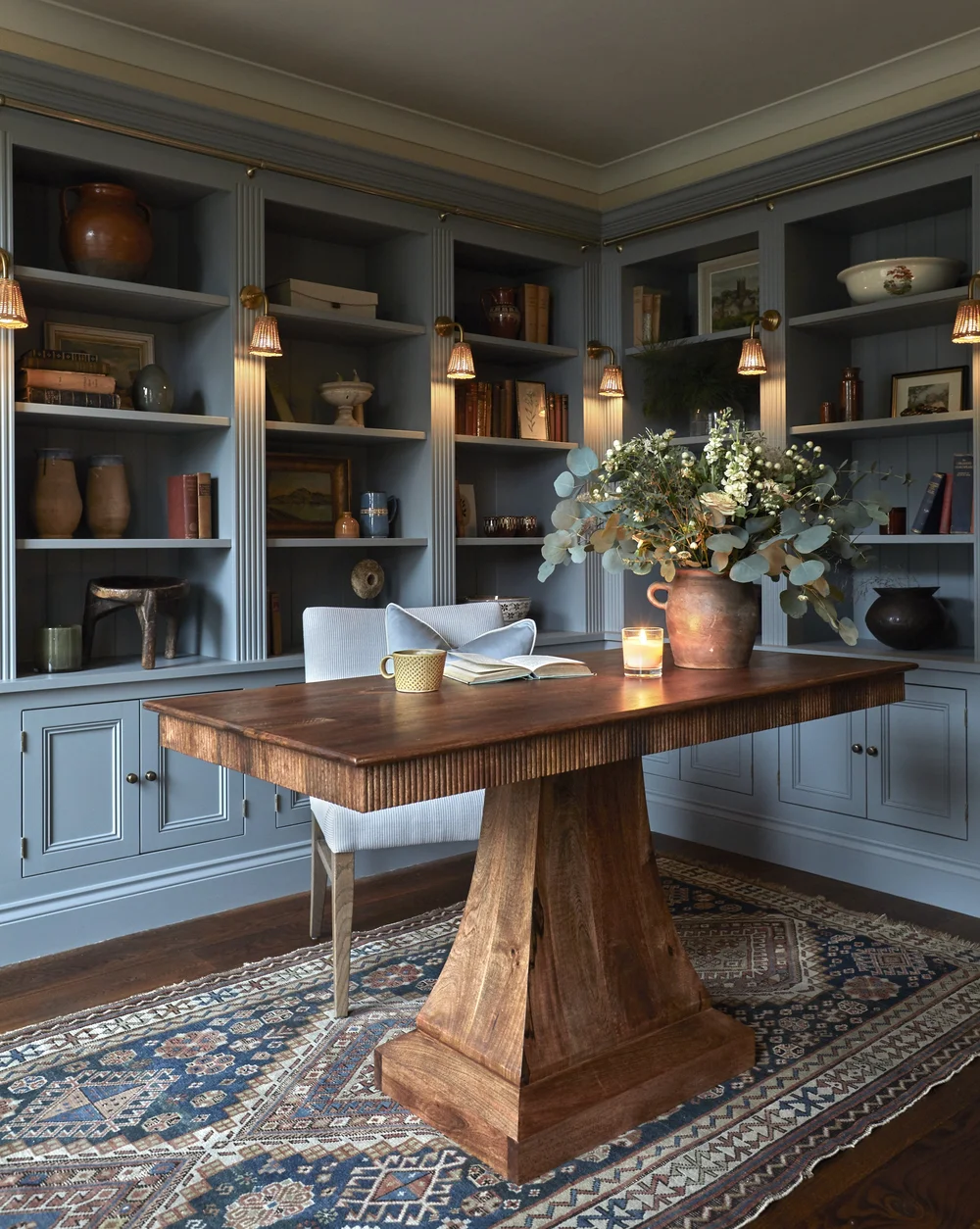
- Curated Display Niches For Heirlooms
- Dedicated Compartments For Cultural Or Religious Items
- Clearly Zoned Wardrobe Sections
- Separate Storage Logic For Public And Private Areas
Instead of scattering meaningful objects across surfaces, intentional niches create structured visibility.
This prevents sentimental pieces from becoming visual clutter while still honouring their emotional significance.
Organisation here is about respect — for space and for memory.
This principle extends beyond living rooms and wardrobes. In shared homes, even functional zones such as bathrooms require thoughtful calibration — balancing safety, comfort and accessibility across age groups.
We explore this further in our blog: Multigenerational Bathroom Design: Comfort and Safety for Every Age Group.
5. Service Zones As Structured Support Systems

Spatial Psychology
Service areas — including utility rooms, service yards and bomb shelters — often become overflow storage in Singapore homes.
When these zones lack design intention, they turn into default accumulation spaces.
Visual clutter typically migrates toward areas without defined systems. However, when structured properly, service zones transform into operational anchors rather than hidden storage chaos.
Spatial Implementation
- Shelving Systems Within Bomb Shelters
- Cabinetry In Service Yards For Cleaning Equipment
- Integrated Laundry Sorting Modules
- Fold Down Ironing Boards Within Concealed Units
By treating service zones as designed environments, organisation extends beyond aesthetics into functional efficiency.
These areas support daily routines — therefore they deserve spatial clarity.
Designing Homes That Support Behaviour
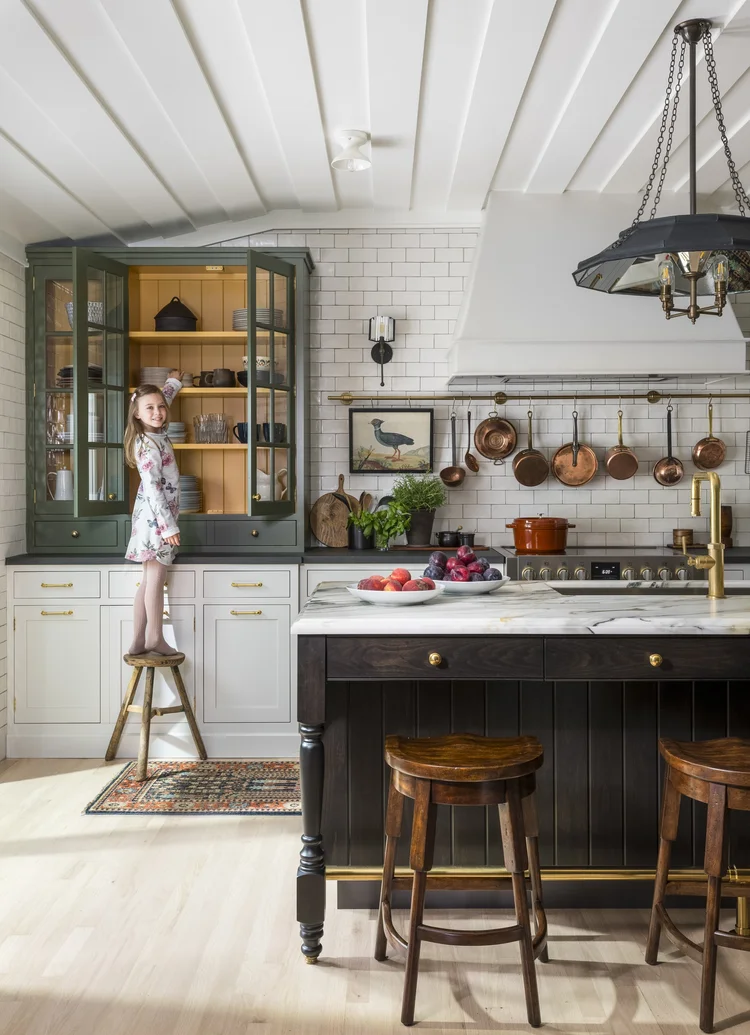
Smart home organisation ultimately aligns with behavioural patterns.
People repeat habits based on spatial cues. If storage is difficult to access, poorly positioned, or visually disconnected from daily use, systems gradually deteriorate over time.
Architectural psychology research demonstrates how physical environments shape behaviour, stress levels and cognitive response.
The insight is clear: environments influence action.
When storage anticipates routine, reduces friction and reflects real patterns of living, maintenance becomes intuitive rather than forced.
A Spatial Approach To Everyday Living

In Singapore homes, organisation is not achieved through accumulating more boxes or surface-level tidying.
It is achieved through spatial intention.
By designing entry transitions, structuring open-plan visibility, optimising vertical zones, respecting emotional belongings and strengthening service areas, storage evolves into an architectural strategy rather than a decorative solution.
When systems align with behaviour, the home feels expansive — regardless of its size.
At Loren Ng Designs, we see organisation as part of the spatial narrative — refined, functional and deeply integrated into how you live.
Is your home organised around how you truly live?
When storage is shaped by behaviour, clarity replaces compromise.
Let us design a home where intention, structure, and everyday ease coexist effortlessly.
📩 ask@lorenngdesigns.com
📷 @loren_ng_designs
Posted by:


BACK TO BLOG
You Might Also Like
.png)