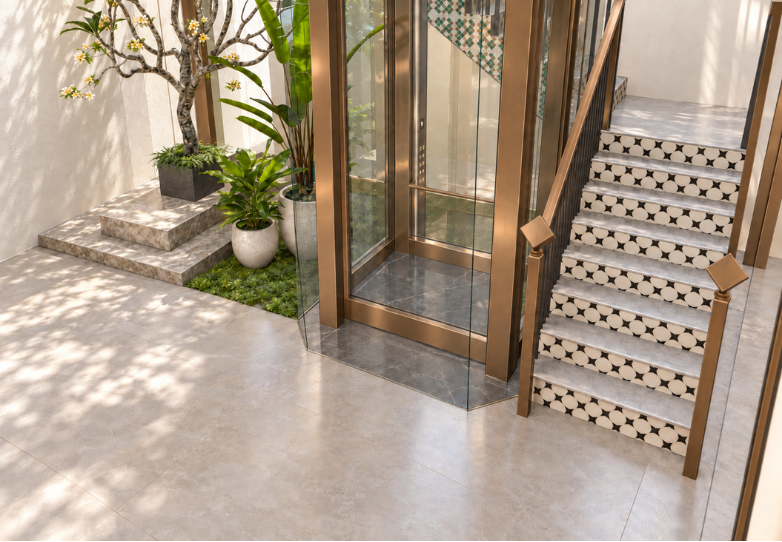


5 Layout Decisions That Quietly Shape How You Actually Live at Home
9 March 2026
Singapore
Share

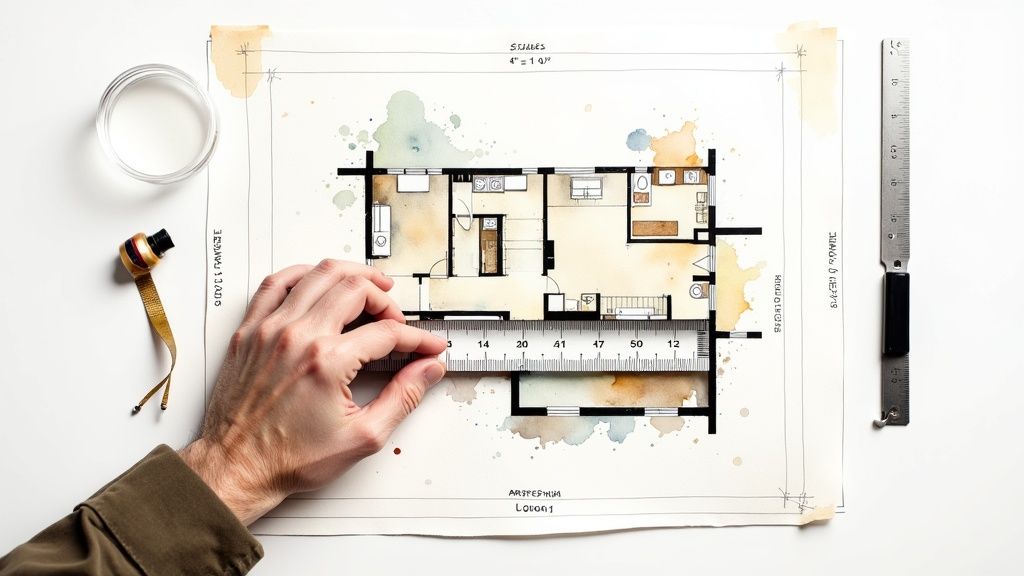
In the realm of interior design, it’s easy to become preoccupied with materials and colour palettes. But beneath every curated space lies a quieter underpinning — the thoughtful choreography of spatial relationships we call layout. The decisions we make about where things sit, how we move through rooms, and how zones connect aren’t just technical; they shape our daily experience, affect our habits, and, in subtle ways, influence how we live.
At Loren Ng Designs, we believe that layout is more than planning; it is the silent architecture of everyday life. Like a finely composed piece of music, the layout is the structure beneath the melody of design, and when it’s attuned to your life, a home feels effortless rather than forced.
1. Circulation: The Invisible Pathways of Everyday Life
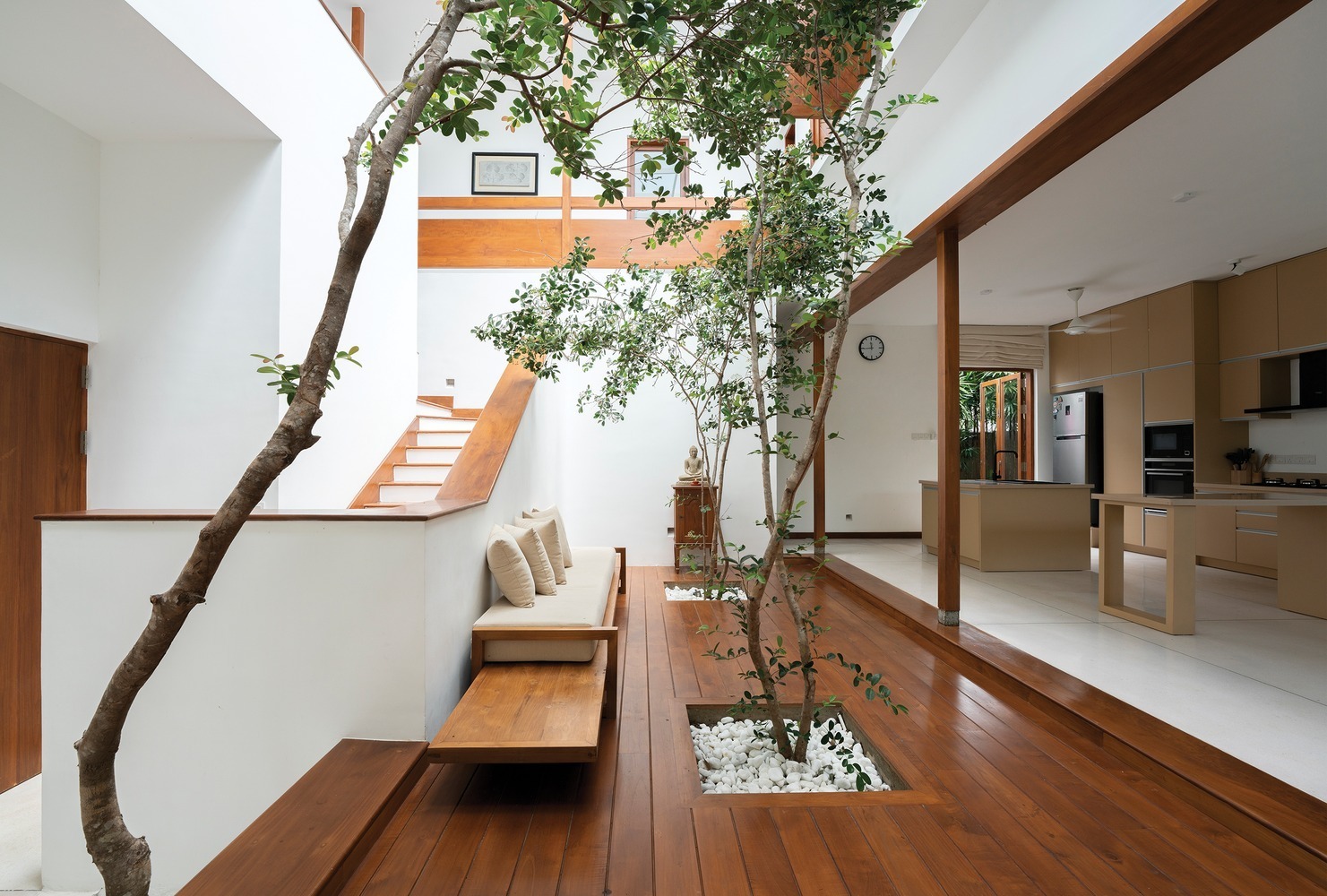
Movement through a home should feel instinctive, not forced. Circulation is the framework that guides how we move between rooms, connecting spaces in a way that feels natural and intuitive. Good circulation ensures daily routines flow effortlessly, while poor pathways can make even well-designed spaces feel awkward or cramped.
Design Movement That Feels Natural
By carefully considering circulation, you can create spaces that accommodate life rather than resist it.
- Natural Flow Between Key Areas: Ensure Clear Paths From The Kitchen To Dining Spaces Or Living Areas.
- Unobstructed Sightlines: Avoid Furniture That Interrupts Visual Connections Across Rooms.
- Comfortable Thresholds And Hallways: Hallways And Entry Sequences Should Feel Open And Welcoming.
For further reading on how to optimise room layouts and flow, read here.
2. Zoning: The Quiet Logic Behind Room Function
Spaces function best when their purposes are thoughtfully organised. Zoning is the practice of dividing a room or open-plan area into distinct functional zones, each serving a specific activity, without necessarily relying on walls or partitions. It helps create a sense of order and hierarchy within a space, guiding how people move, interact, and use each area.
In compact homes, zoning is particularly valuable because it allows multiple activities — such as work, relaxation, dining, or play — to coexist harmoniously without feeling cluttered or chaotic.
Organise Spaces Around Daily Life
Effective zoning ensures each area feels intentional and supports the way you live.
- Use Furniture Placement To Subtly Separate Functional Areas.
- Employ Lighting And Rugs To Define Zones Visually.
- Consider How Each Area Aligns With Everyday Routines And Habits.
Thoughtful zoning can make even small Singapore homes feel spacious and purposeful. For more insights on our approach, explore our blog post: Tips & Tricks to Redecorate Within Limited Space & Budget.
3. Focal Points: Anchors of Perception and Use
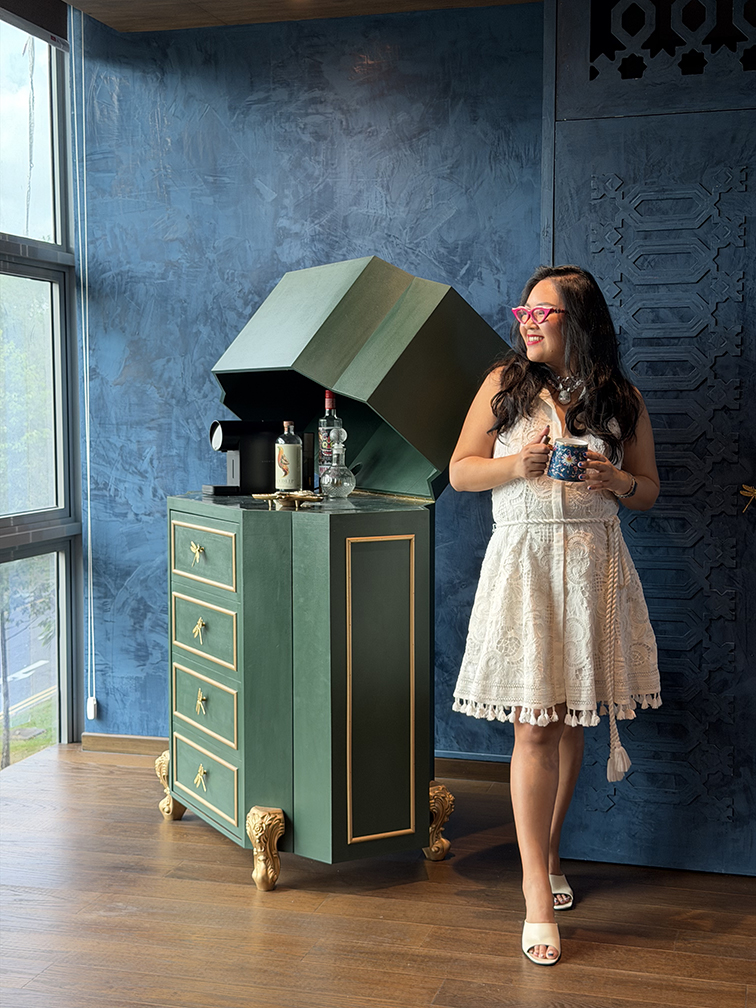
Focal points give rooms a sense of structure and purpose, guiding both sight and movement.
Create Natural Visual Anchors
A focal point is the first thing you notice in a room and serves as the visual anchor around which the rest of the space is composed. This can be a statement piece of furniture, a fireplace, a bay window, or even a piece of artwork.
Thoughtful use of focal points ensures the room feels cohesive and guides how inhabitants interact with the space. Think:
- Statement Furniture Or Key Architectural Features Draw Attention Naturally.
- Use Lighting, Colour, And Accessories To Emphasise The Focal Point.
- Arrange Seating And Flow To Encourage Interaction Around The Anchor.
For further reading on emphasising focal points in interior design, read here.
4. Scale and Proportion: How Size Shapes Comfort
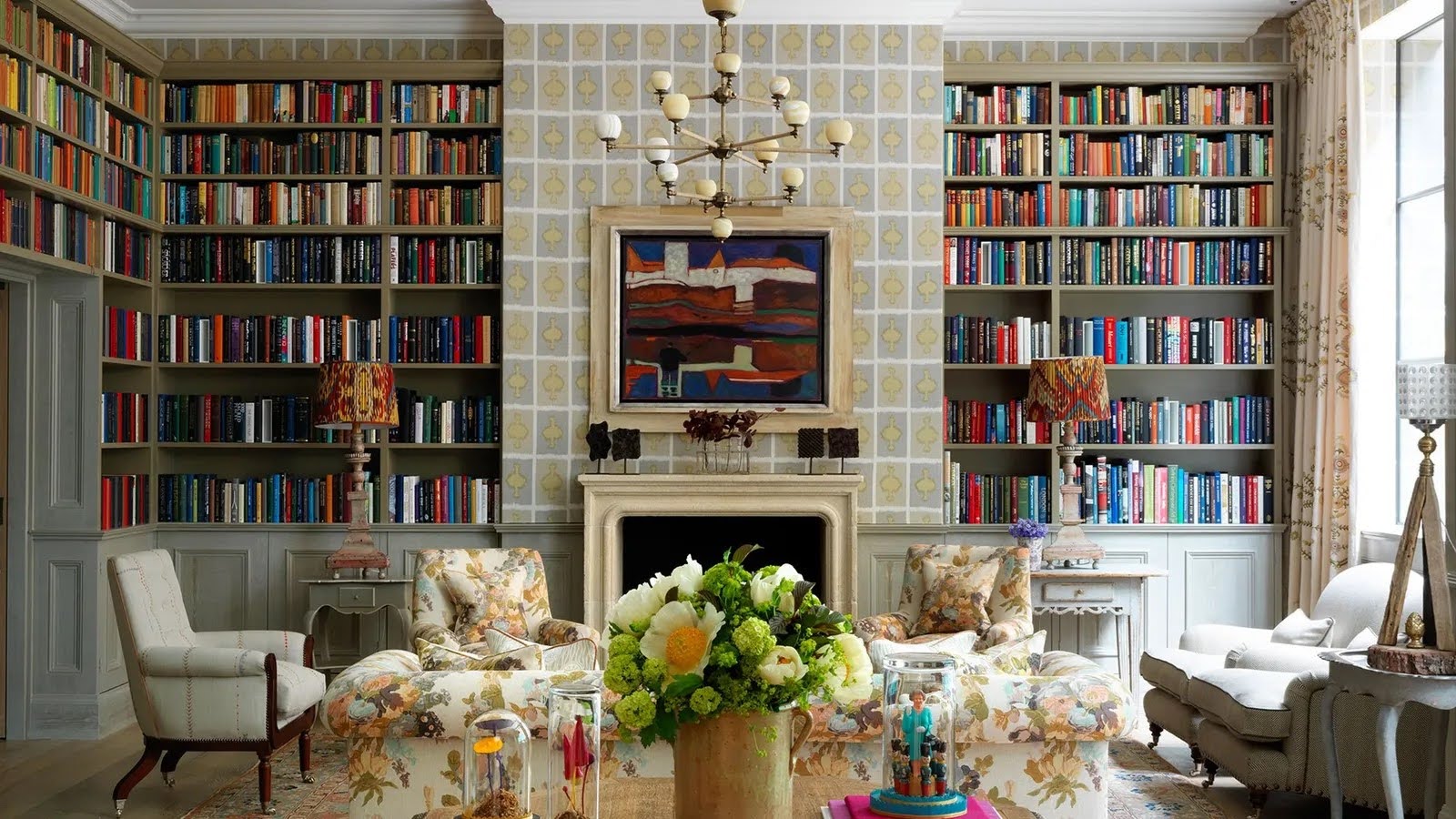
Scale and proportion are fundamental principles that affect how a room feels and functions. Scale refers to the size of objects in relation to the space and to each other, while proportion describes the relationship between different elements within a composition.
Ensure Furniture Fits Both Space and Lifestyle
- Match Furniture Size To Room Dimensions: Choose furniture that is proportionate to the overall space so pieces feel connected rather than floating or overwhelming.
- Consider How Pieces Relate To One Another: A large sofa paired with a proportionately sized coffee table and accent chairs creates a balanced composition.
- Use Scale To Enhance Comfort And Flow: Well‑scaled furnishings support both physical comfort and visual harmony, preventing a room from feeling too busy or too empty.
Proper scale and proportion allow the eye to move comfortably through a space; when these principles are ignored, rooms can feel awkward or “off” even if the furnishings are attractive.
For further reading on scale and proportion in interior design, read here.
5. Flexibility: Adapting to the Unscripted Daily
Homes are not static; they are lived-in, dynamic environments that must evolve as routines, needs, and even family composition change over time. Flexibility in layout allows spaces to adapt seamlessly, accommodating everything from sudden lifestyle changes to seasonal adjustments.
In compact Singapore homes, where space is limited, designing with flexibility in mind ensures that every square metre can serve multiple purposes without feeling cluttered or constrained. Thoughtful flexibility also contributes to wellbeing — principles that we explore in depth in our blog: Calm Spaces, Strong Minds: Inspired by Singapore’s Progress.
Design Homes That Evolve With You
Incorporating adaptability ensures spaces remain functional, no matter how life shifts.
- Use Multifunctional Furniture: Like Modular Sofas, Foldable Tables, Or Storage Benches.
- Configure Spaces To Shift Purpose Easily: A Home Office Today, A Study Corner Tomorrow.
- Leave Room For Growth And Seasonal Changes To Your Daily Routines.
Designing With Purpose: How Layout Shapes Life at Home
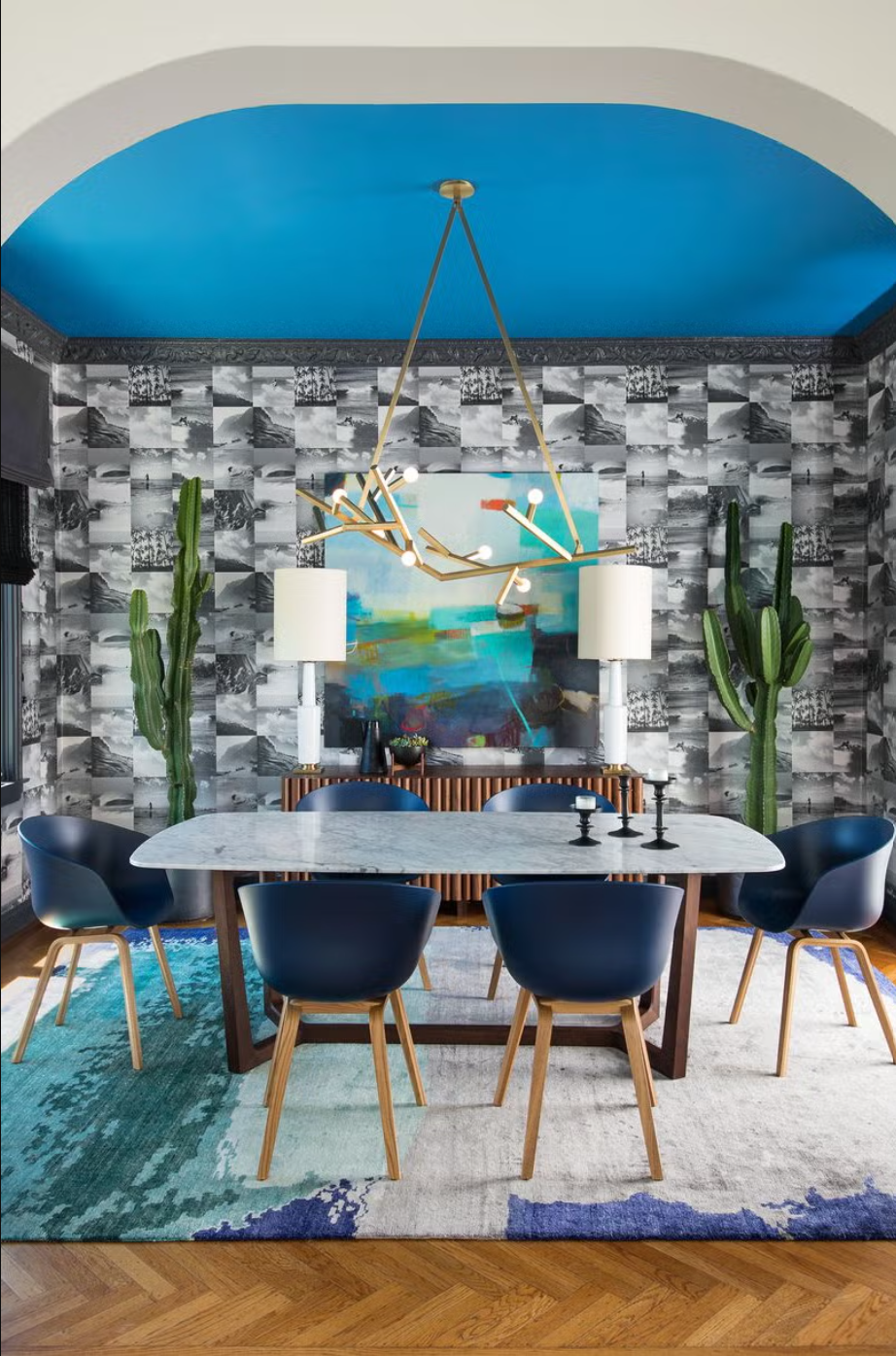
The difference between a house and a home lies in how spaces support the way we live. Layout decisions — considered before colour, materials, or lighting — form the invisible architecture of our lives.
By attending to:
- Circulation
- Zoning
- Focal Points
- Scale and Proportion
- Flexibility
…we craft homes that feel effortless in both photos and lived experience. Thoughtful layout listens to how we move, pause, linger, and return — shaping space without shouting for attention.
At Loren Ng Designs, we see layout as a dialogue between your rhythms and your rooms. Good design honours daily life and lets it guide every decision.
Curious How Your Home Can Work Better For You?
Explore our bespoke design insights.
Connect with us to discover how a considered layout can transform your home into a space that truly supports the way you live.
📩 ask@lorenngdesigns.com
📷 @loren_ng_designs
Posted by:


BACK TO BLOG
You Might Also Like
.png)