

Feng Shui, Handled With Judgment: A Home That Honours Belief And Still Works
31 August 2026
Singapore
Share

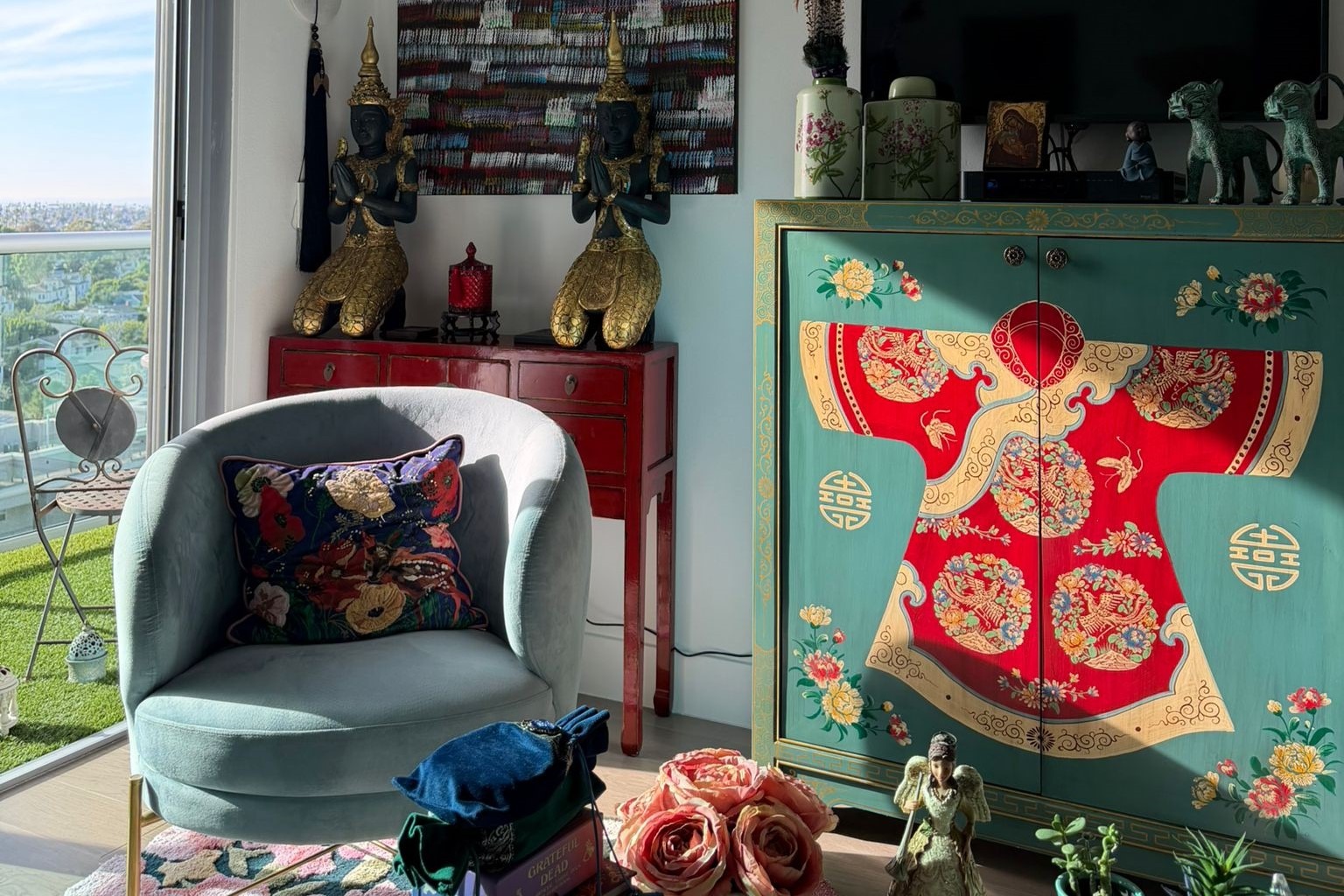
As a Chinese myself, feng shui is part of the world I grew up in. So when a client raises it with me, often a little unsure whether an interior designer will take it seriously, I am not hearing it as an outsider. I understand where it comes from, and I take it as part of the brief, the same as how they cook, how they host, and who else lives in the home.
Feng shui is one of the ways many families here decide whether a home feels right. You can respect that without turning a home into a list of rules, and you can honour it without letting it override how a space actually needs to work. The interesting part, and the part most people never see, is how closely a lot of feng shui sits to real design sense once you look at what it is actually asking for.
The balance that makes it work
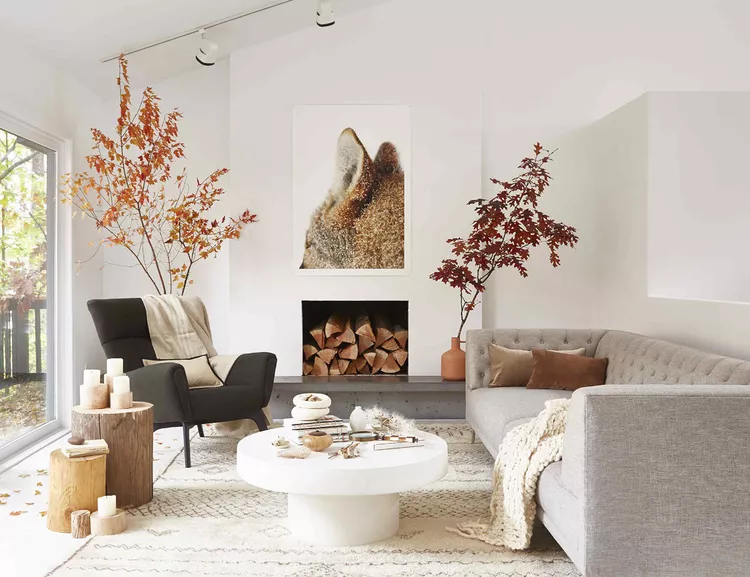
The difficulty is never the belief on its own. It is balanced. Lean too far one way and feng shui becomes the only thing that matters, until the light, the flow and the function all suffer for it. Lean too far the other and you set it aside, and hand back a home that photographs well but never feels settled to the family living in it. The work is in holding both at once, and that starts with understanding what each request is actually for.
Most feng shui is good design in another language
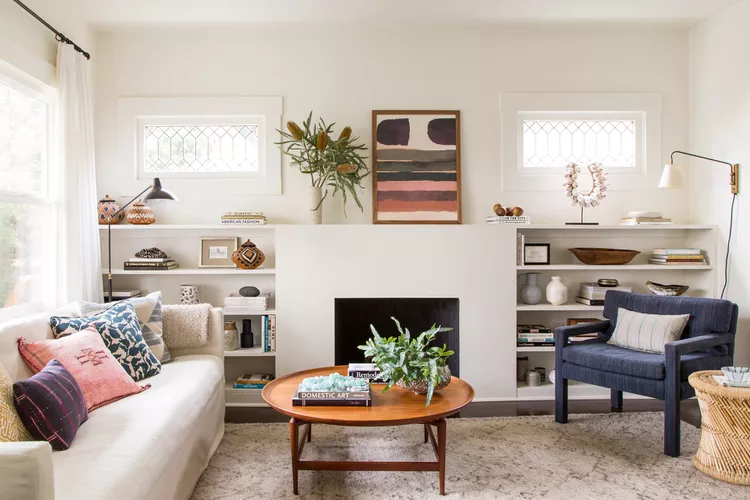
Strip away the vocabulary and a lot of feng shui lines up with what good design and basic building sense already chase. An entrance that welcomes instead of confronts. Rooms you move through without obstruction, the kind of layout choices that quietly shape how you live. Light and cross ventilation that reach the middle of a deep plan. A bed with something solid behind the headboard, which is not only symbolism, it is the same reason most of us feel calmer with our back to a wall and a clear view of the door.
Follow most feng shui rules back to their intent and you find comfort, safety, light and airflow, the same things a careful designer is already protecting. Seen that way, the requests stop being rules to fight and become constraints to design around, the way budget, structure and regulations are constraints. Good design absorbs constraints. It does not surrender to them. Here is what that looks like in the three requests I hear most.
The entrance, the mouth of the home
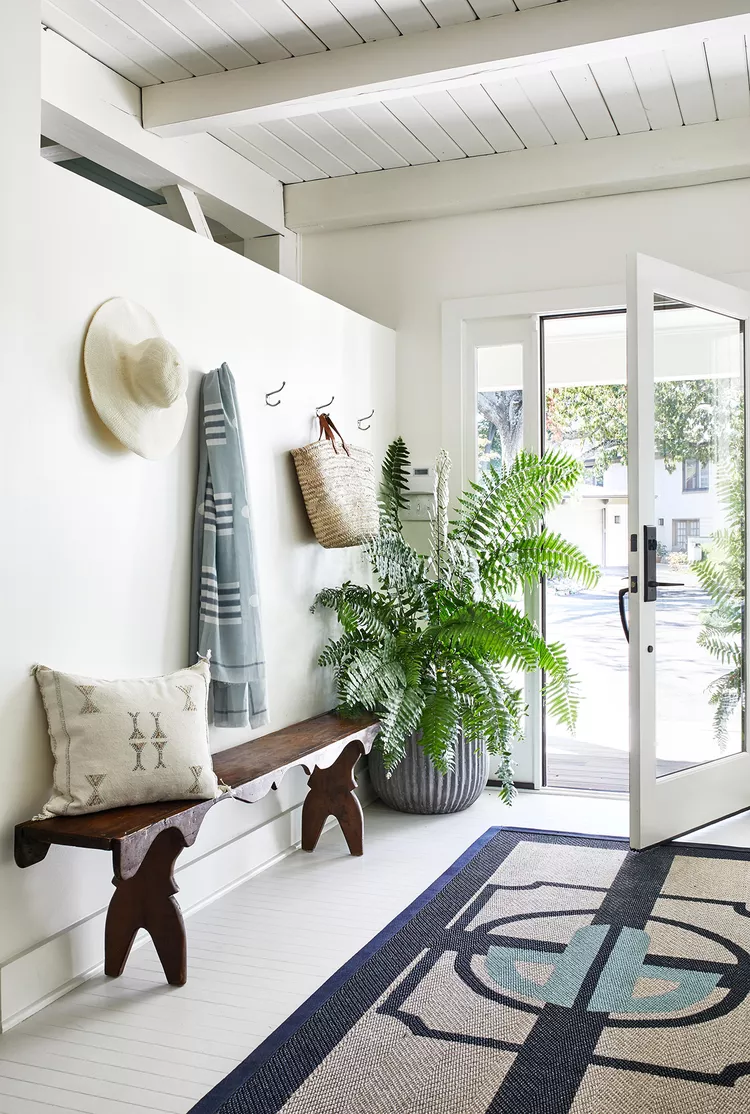
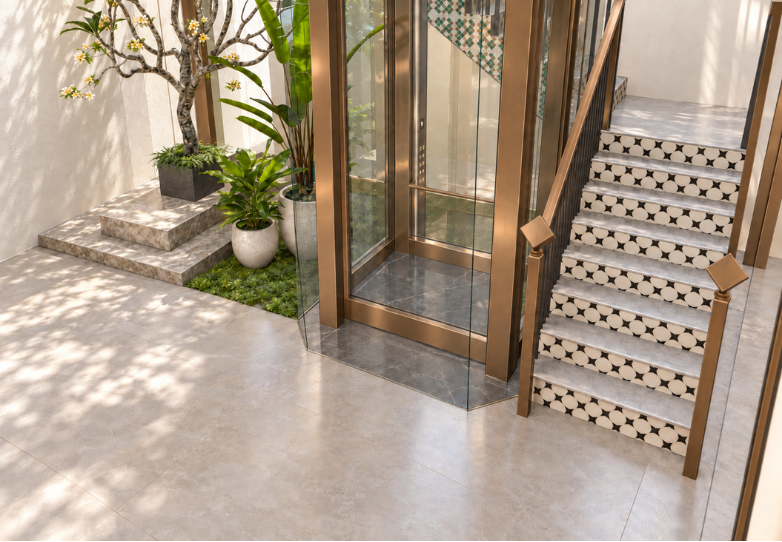
In feng shui the front door is where energy enters, so it should open onto something calm and uncluttered, not straight into the living room, and not lined up with a window or back door that lets everything run through. In a lot of HDB and condo layouts, that is exactly what happens. You open the door and you are already standing in the living room.
The resolution is not a compromise. It is a threshold. A console with a planter, a slatted screen, or a low shoe cabinet gives the eye somewhere to land and softens the straight run from door to window. It also gives you what every home actually needs at the entrance: a place to drop your keys, store your shoes, and feel like you have arrived somewhere. The belief is honoured, and the home is more usable for it. The same holds in an office, where the entrance is read as the face of the business, and a clear, well-lit one simply looks more confident to a client walking in.
The bed and the commanding position
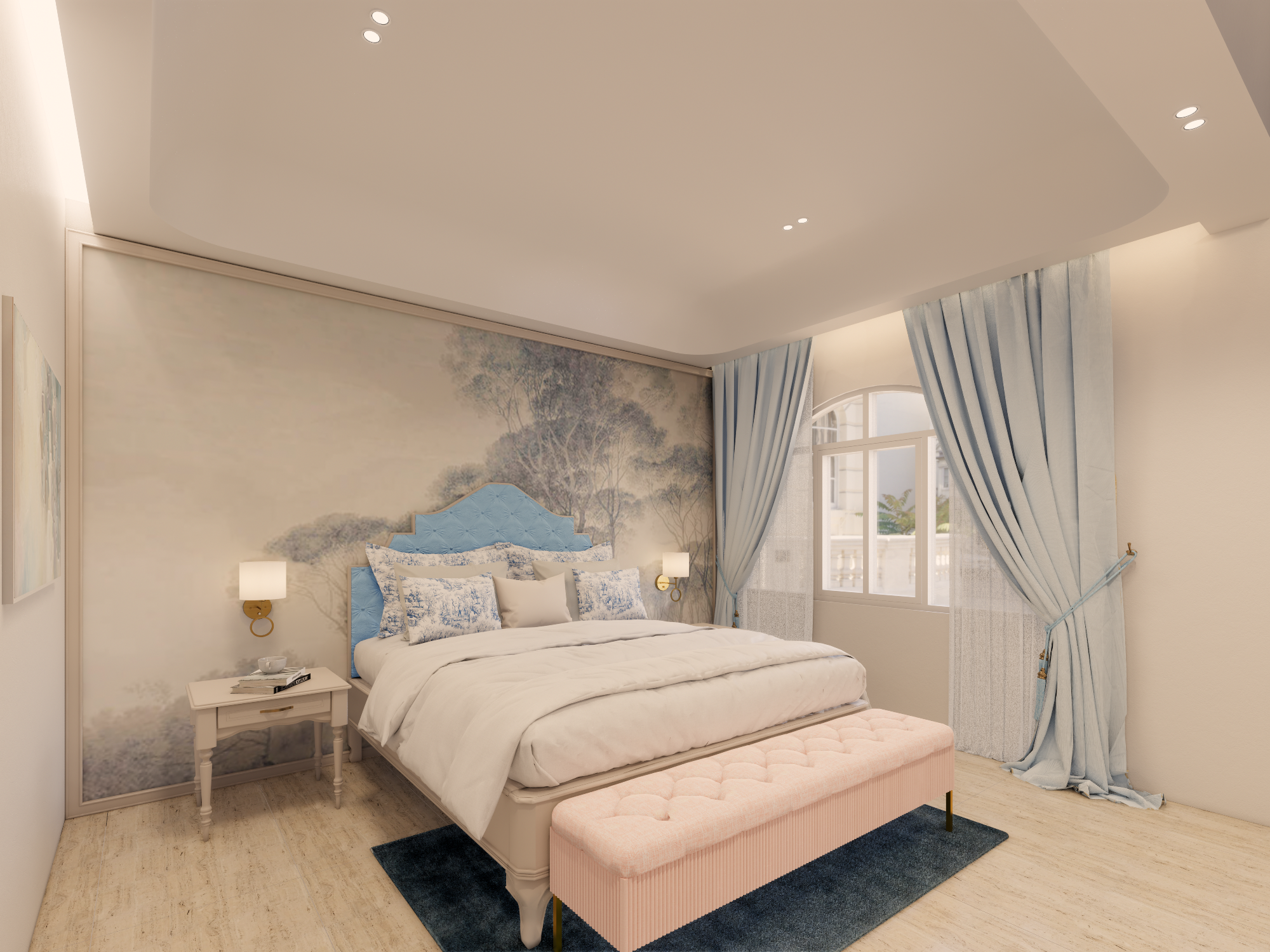
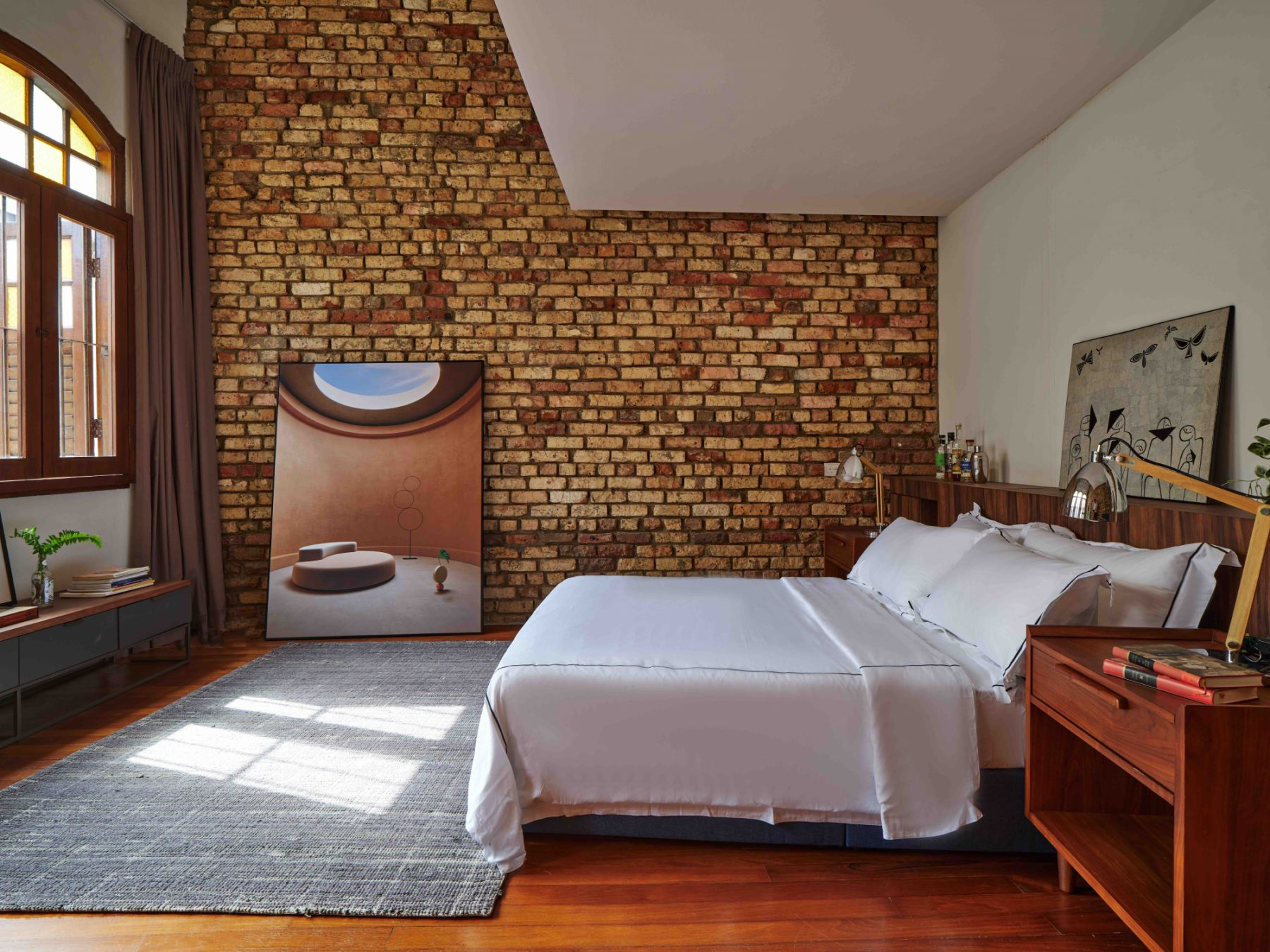
Two bedroom requests come up again and again. The head of the bed should sit against a solid wall, a "backer," rather than float under a window, and you should be able to see the bedroom door from the bed without lying directly in line with it.
When the ideal wall is not available, the answer is design, not argument. A built-in or full-height upholstered headboard becomes the solid backing the client wants, and doubles as a piece the room needed anyway. Careful furniture planning gives the commanding position without the bed staring straight down the door. There is real sense in this once you follow the intent. A bed feels calmer with weight behind it and a clear view of the room, whether or not you reach for the words feng shui.
The stove, wealth, and the work triangle
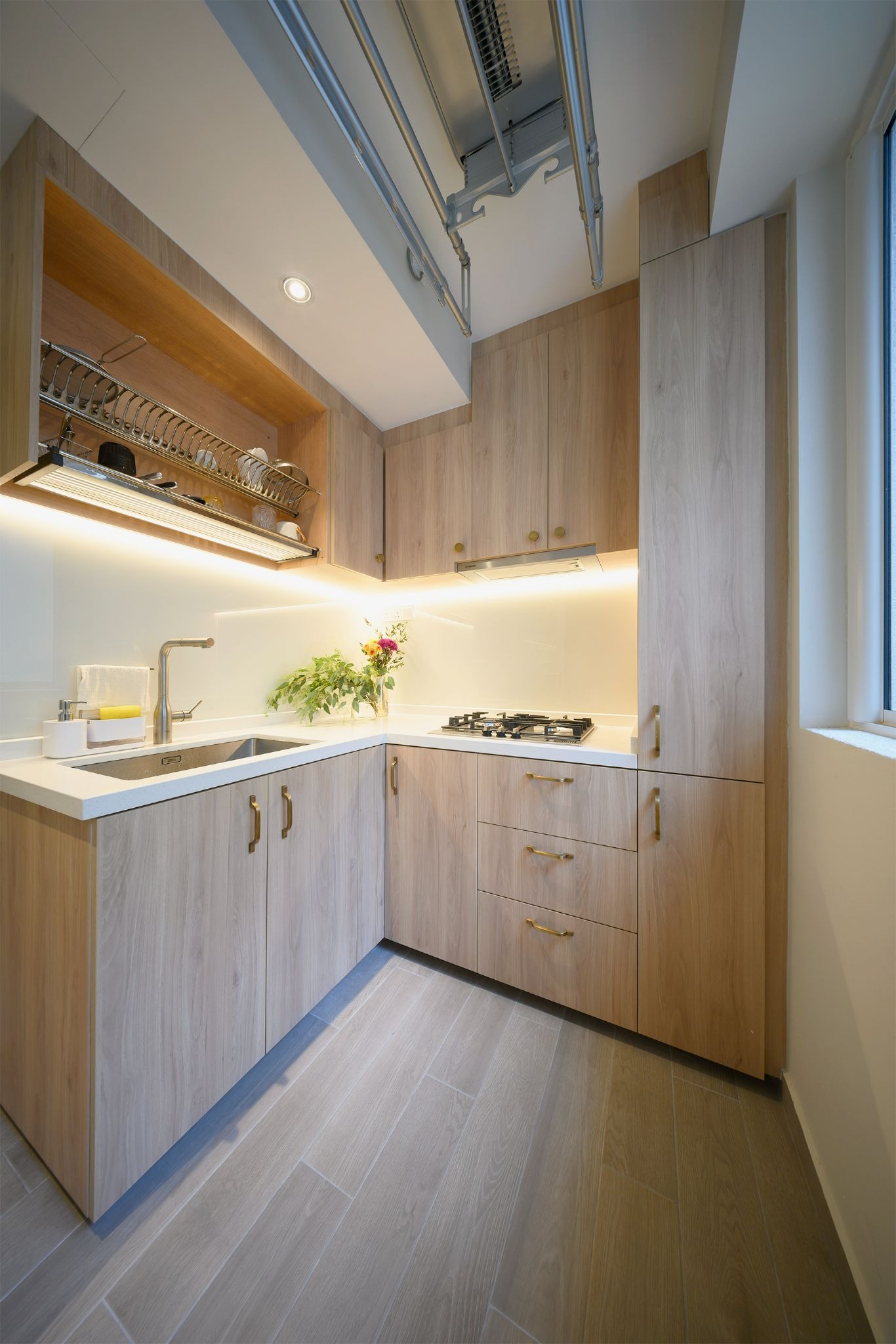
The kitchen is where belief and function meet most directly. In feng shui the stove carries wealth, so it should have a wall behind it for support, should not sit directly opposite the sink or fridge, because fire and water are seen to clash, and the cook should not stand with their back to the door. A kitchen designer, meanwhile, is protecting the work triangle, the easy flow between stove, sink and fridge.
These two can be reconciled more often than people assume. Reorienting the stove, or bringing it onto an island so the cook faces out into the room, can satisfy the commanding position and the wall-backing at once while keeping the cooking flow intact. Where fire and water do sit close, there are settled ways to bridge them. You rarely have to choose between a kitchen that cooks well and one that feels right to the family using it.
Where judgment comes in
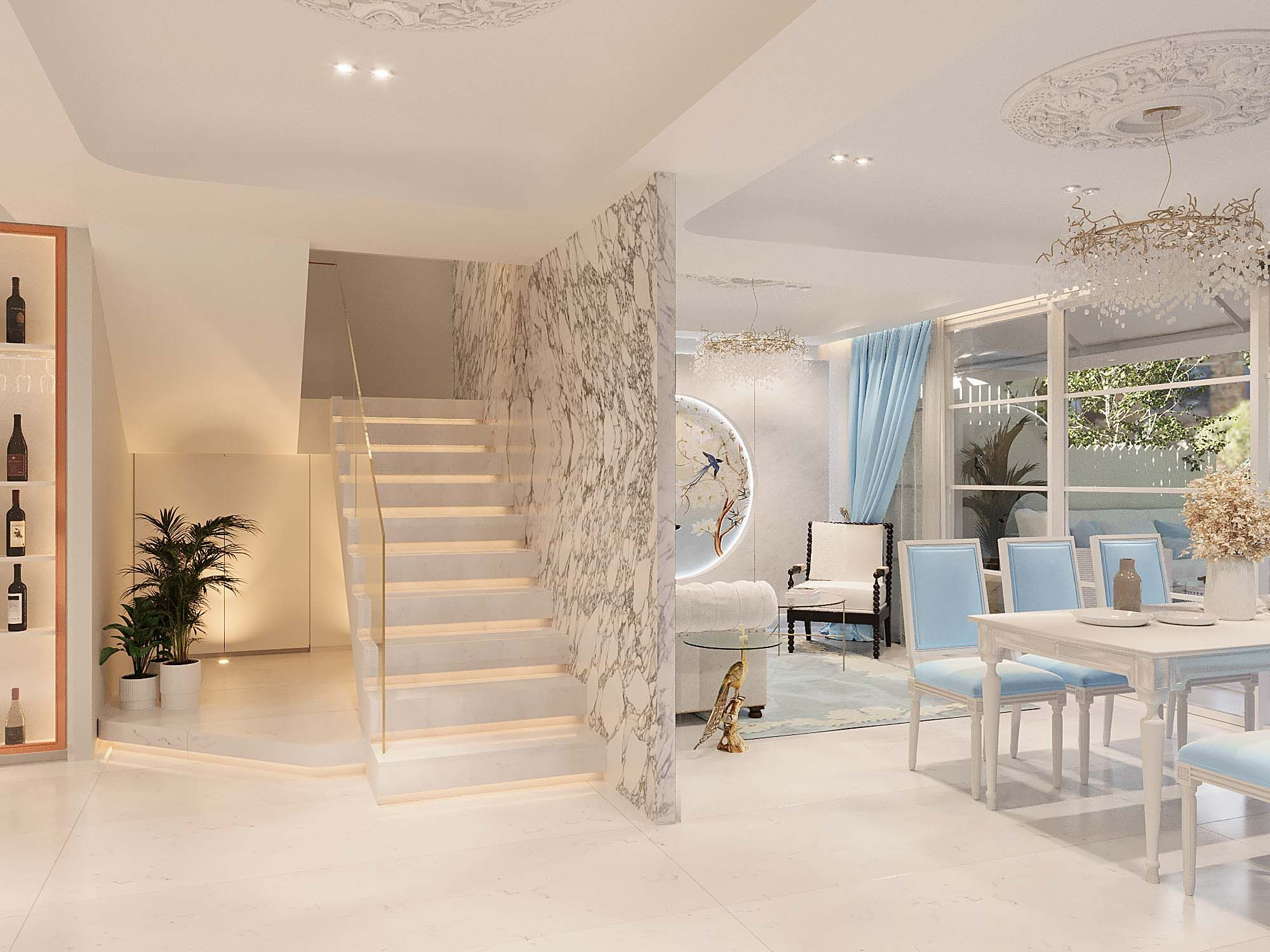
Not every request can be met, and this is where honesty matters more than agreement. Feng shui guidance sometimes conflicts within itself, or with the structure of the building, or with plain safety. When that happens, my job is to go back to the intent behind the rule, protect that, and be straight with the client about what can and cannot be done without harming the home. The aim is not to follow a feng shui master without question, and not to override them either. It is to hold both, the belief and the design, and find the version of the room that serves each.
Why this belongs in a Singaporean home
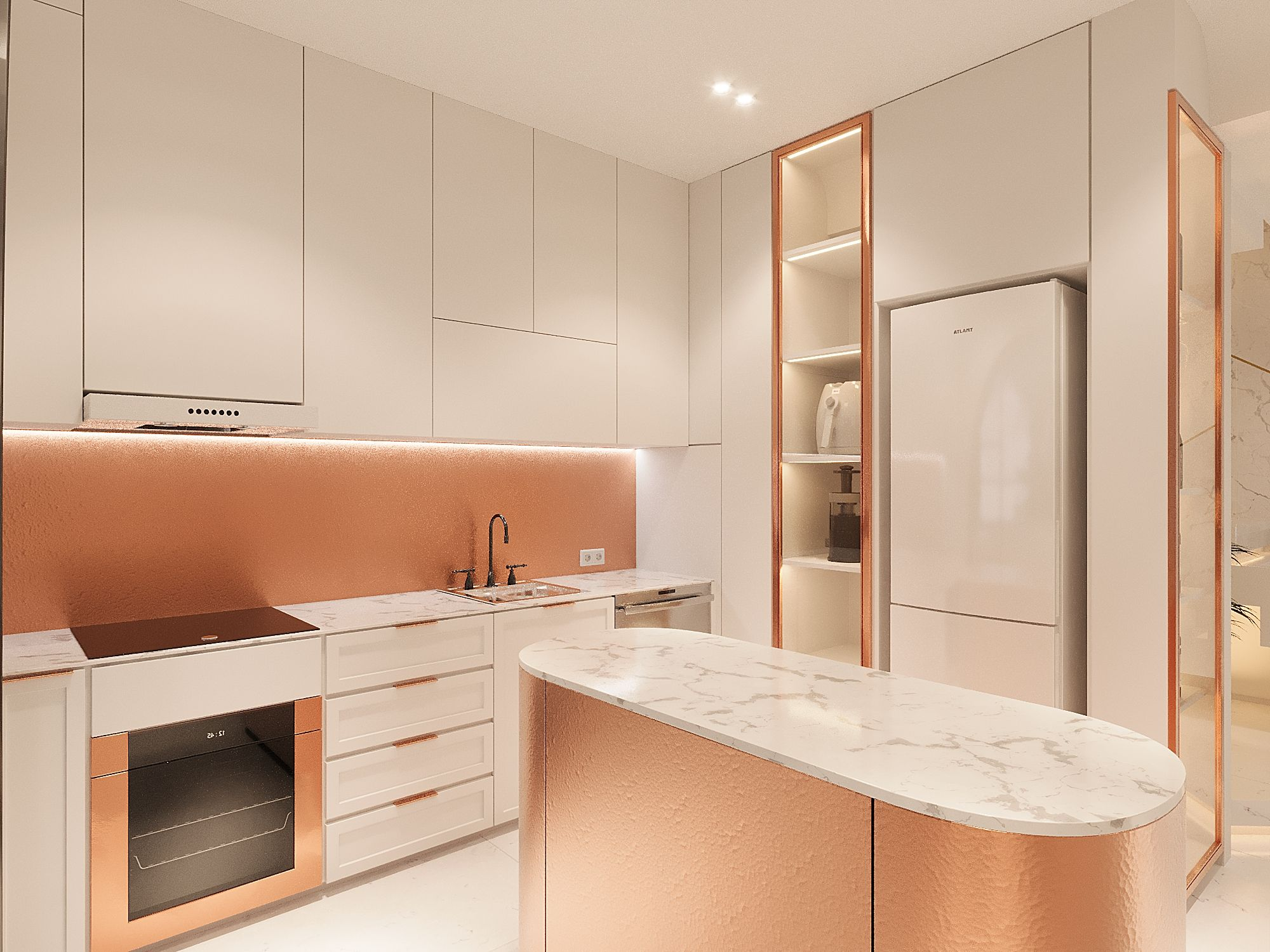
Feng shui is woven into how many families and business owners here decide a space feels right, alongside the food they cook, the way they host, and the parents they design a home to include. Honouring it is part of what roots a home in its owner and in the culture around it. A home in Singapore that sets all of it aside is not more sophisticated for doing so. It is often missing something of where it stands, and of the people who will live in it.
You do not need your designer to share your beliefs. You need one who will take them seriously enough to solve them, so the home is beautiful and also feels settled. If feng shui is part of your brief, the best time to raise it is before the layout is locked, while it is still far easier to design around a constraint than to rebuild for it later.
📩 ask@lorenngdesigns.com
📷 @loren_ng_designs
Posted by:

BACK TO BLOG
You Might Also Like
.png)