

Keppel Bay Penthouse Takeover: What I Checked Before Building Anything
12 October 2026
Singapore
Share

Project at a glance
Home: Keppel Bay penthouse, 2 levels + rooftop
Clients: Couple, 1 child, 1 helper
Scope: Takeover mid‑renovation, rectify defects, complete full fit‑out
Original timeline: 3 months · Actual: total of 7 months to completion
The homeowner's first message to me was not about tiles or colours. She told me she no longer understood what was happening with her own renovation, and that it was stressing her out.
I take that sentence seriously, because it tells me the problem is bigger than any single defect. When a homeowner cannot see what is happening on their own site, something has already gone wrong with how the project is being run.
The home

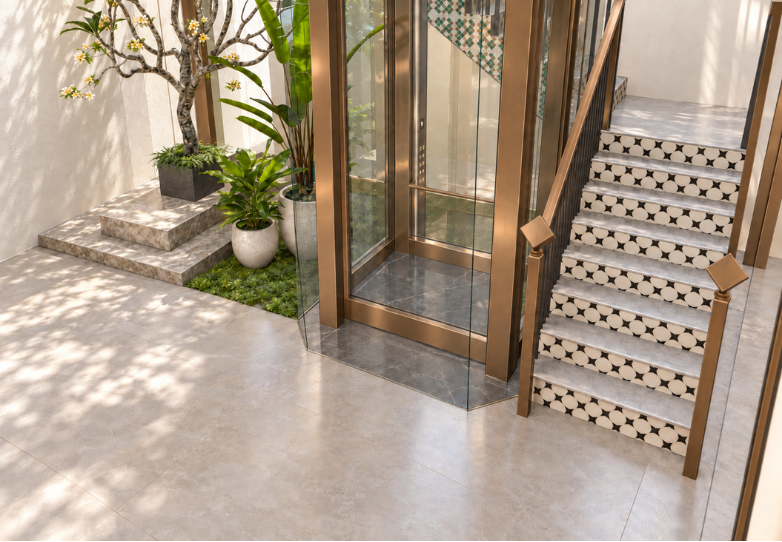
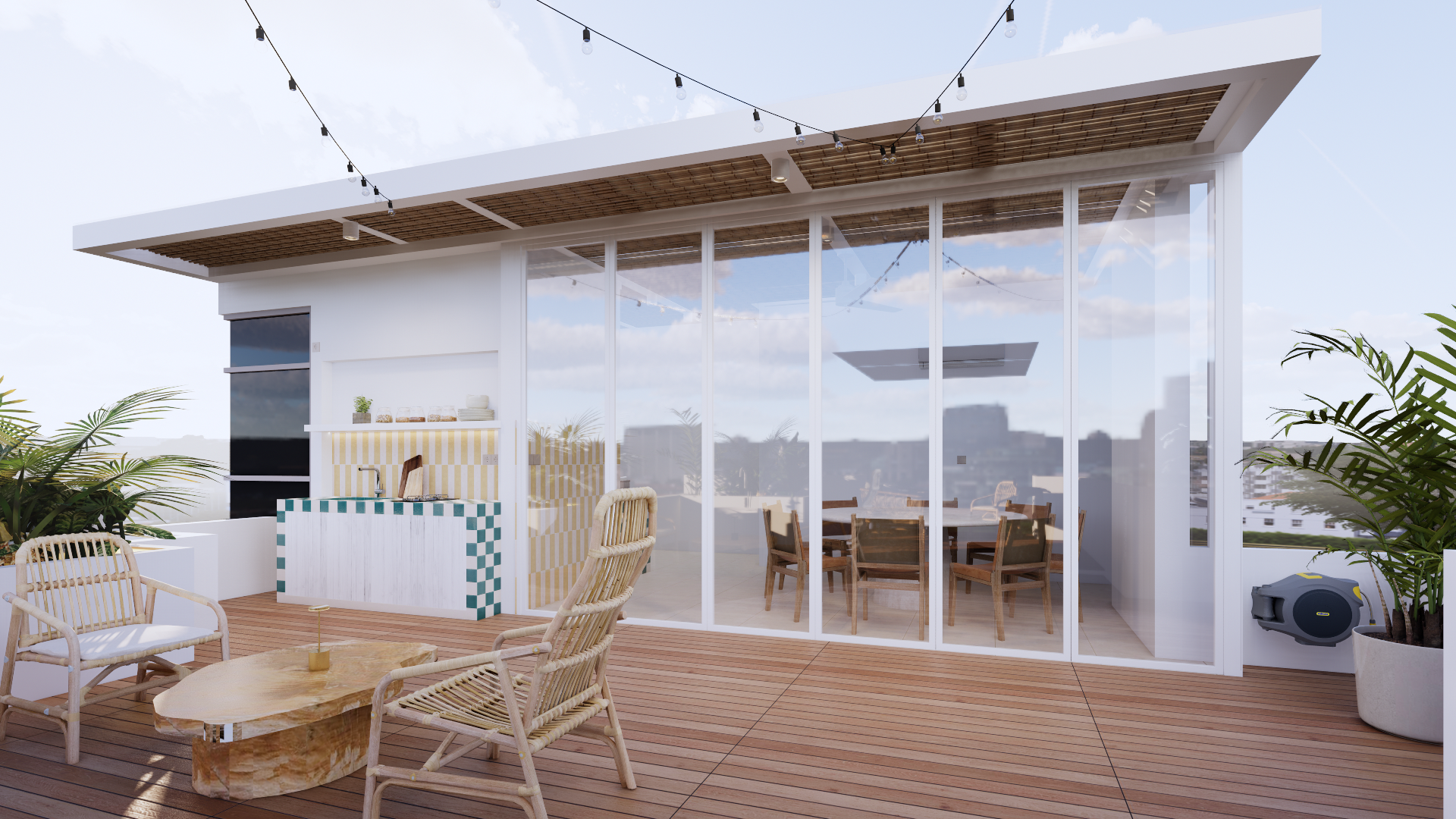
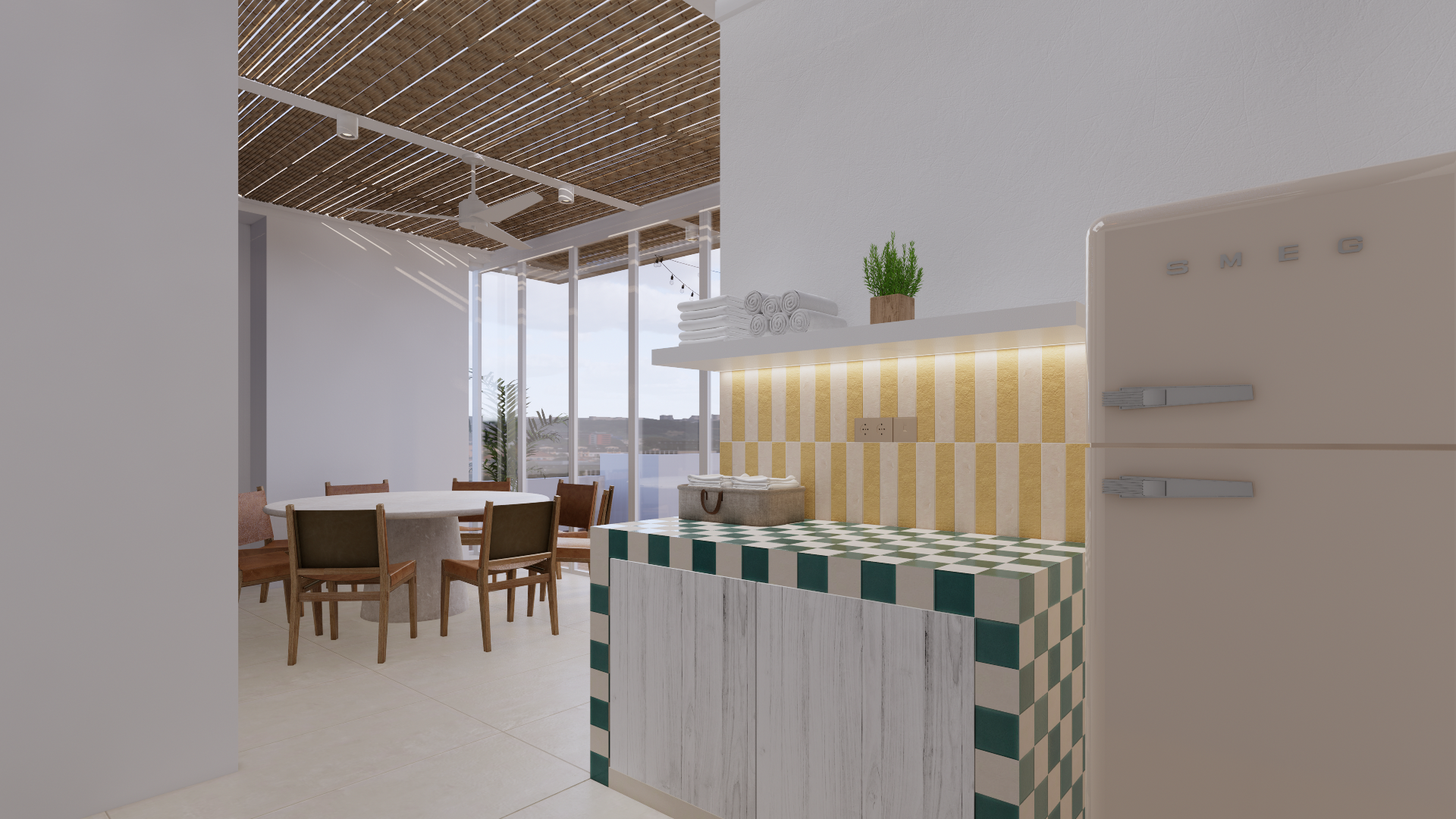
The home is a penthouse at Keppel Bay, with living space over two levels and a rooftop. It belongs to a couple with a child and a helper. The concept, a warm Mediterranean and Balinese summer house built on natural textures, came from Alejandra from Popcorn Interior, the designer who first worked with them and who introduced them to me.
The previous renovation started in July 2025 on a three-month timeline. By the time I was brought in, that working relationship had broken down and the clients had stopped the works.
The problem was bigger than the defects
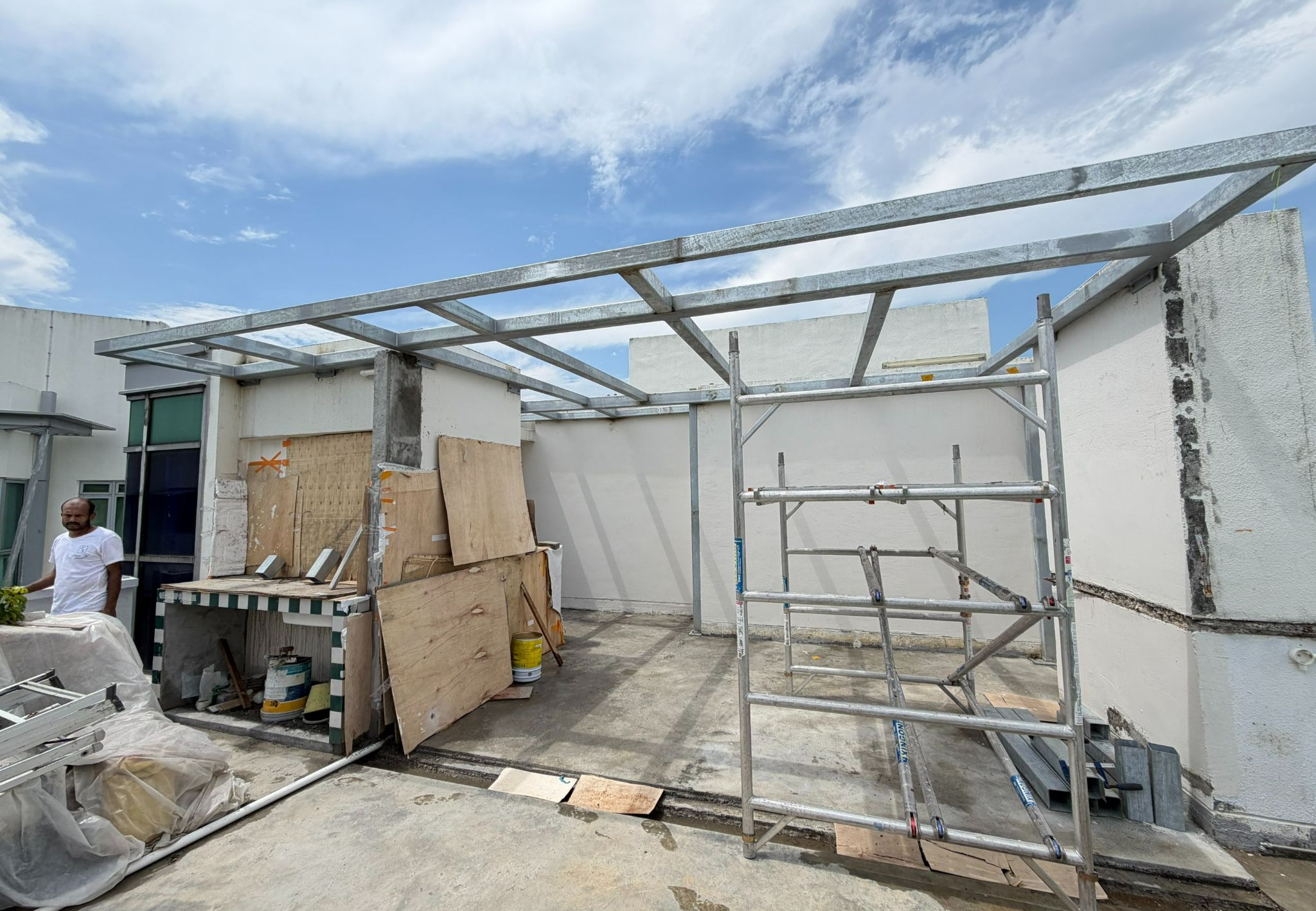
The defects were real, and I will get to them. But the deeper issue was that no one held the whole picture. My notes from that period sum it up in one line: the client had to coordinate everyone.
When the homeowner becomes the coordinator, every decision runs through the person with the least technical information on site. That is nobody's fault. It is simply the wrong seat for a homeowner to be in.
In practice it looks like a call about a floor trap in the middle of a meeting, or a photo of wiring you are asked to approve before lunch. If your renovation stopped tomorrow, would you know what is behind your walls, and who is responsible for it?
What I did first, in order
I did not start by suggesting fixes. Suggestions without data are guesses.
- Assess. I compared what was on site with what was in the drawings, to see where the two had drifted apart.
- Stop. I kept the works paused, because every finish laid over an unchecked problem makes the fix more expensive later.
- Audit. We opened up and tested what could not be verified by eye, including pressure tests on the water supply and the gas line.
- Document. Every finding went into a defect log with photos and video.
- Recommend. Only once all the data was in did I propose the next steps.
The order matters more than it looks. Stopping before auditing protects the client's money. Documenting before recommending protects their trust, because every recommendation can be traced back to a photo, a test or a drawing.
What the audit found
- Concealed wiring that had not been installed properly
- Messy tiling, and a floor trap that was misaligned and partly blocked
- A rain shower sealed with so much caulk that it banged loudly in use
- An exhaust that was not terminated correctly
- A gas leak, traced to an incorrect gas termination
- Shower water pooling on a gradient that was too flat, and water pressure that was too low
The last two deserve their own post, because the way we diagnosed them is a story in itself. I will share it separately.
Most of these would never show up in a photo of the finished room. That is the uncomfortable truth about a renovation that looks nearly done: the finish can be the least reliable information on site.
The gas leak came first
A responsible renovation budget protects safety before anything visible, so the gas leak went to the top of the list.
I did not bring in a new gas contractor. I worked with the existing one to make sure the termination was corrected properly, and then we ran the pressure check again. The second test showed no leak.
A takeover can feel like a reason to replace everyone. The goal here was a safe, finished home. Where an existing trade could correct the work under proper supervision and testing, that was the most direct path to it.
What changed for the homeowner

The biggest change was not a fitting. It was who carried the coordination. Once we took over, the homeowner no longer had to relay messages between trades or judge technical work herself. They had one contract, one dashboard and one accountable team. That is how I run projects, and Keppel Bay reminded me why I sticked to my process.
The family moved in during January 2026 while we continued work on the upper level and rooftop. Before move-in there were still items to close, and the clients asked for closer supervision and more detailed quality checks.
Months later, the homeowner wrote:
"After a rough experience previously in Singapore, finding someone of her level of professionalism was such a relief."
- Homeowner, Keppel Bay
Before you hire the next contractor

When a renovation goes wrong halfway, the instinct is to find someone who can start building again as quickly as possible. I understand that, because every week of a stalled site feels expensive. But building again before you know what is behind the finishes only moves the problem further out of sight.
The first job in a takeover is finding out what is true. Construction comes after.
If your renovation has stalled and you are no longer sure what is behind the finishes, the next step is a conversation.
📩 ask@lorenngdesigns.com
📷 @loren_ng_designs
Concept design: Alejandra, Popcorn Interior.
Design development, detailing, fabrication and build: Loren Ng Designs.
Posted by:


BACK TO BLOG
You Might Also Like
.png)