





Inside The LND Workshop: The Hands Behind A Home That Feels Like Yours
24 August 2026
Singapore
Share

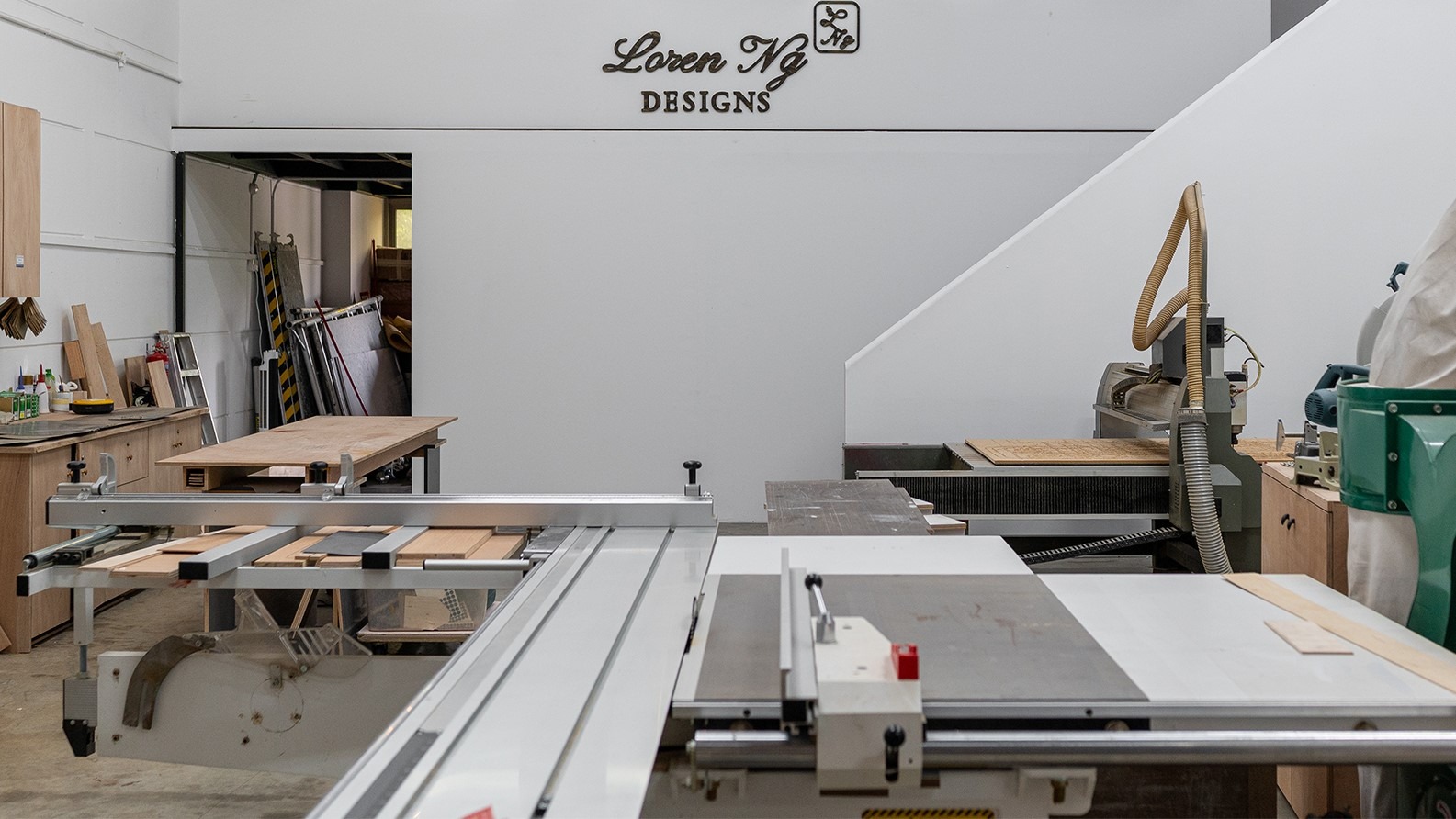
Somewhere in our workshop right now, a piece is being built that will only ever fit one home. A cabinet cut to the exact height of one family's ceiling. A bookshelf drilled for the single pull-out table a particular client asked for. An edge detailed to sit against a wall that is not quite straight. None of it exists in a catalogue, because none of it was ever meant to.
That is the part of the word "custom" most people never see. Walk through a renovation showroom and you will be shown finishes: a laminate colour, a handle, a stone. What you are rarely shown is where the thing is actually made, and by whom. In a lot of renovations, the answer is a third-party contractor the firm has never met, working from a drawing, off site. The carpentry arrives, and everyone hopes it fits.
We build ours in-house, in our own workshop, on purpose. Here is why that one decision changes the home you end up living in.
What gets lost when the making is outsourced
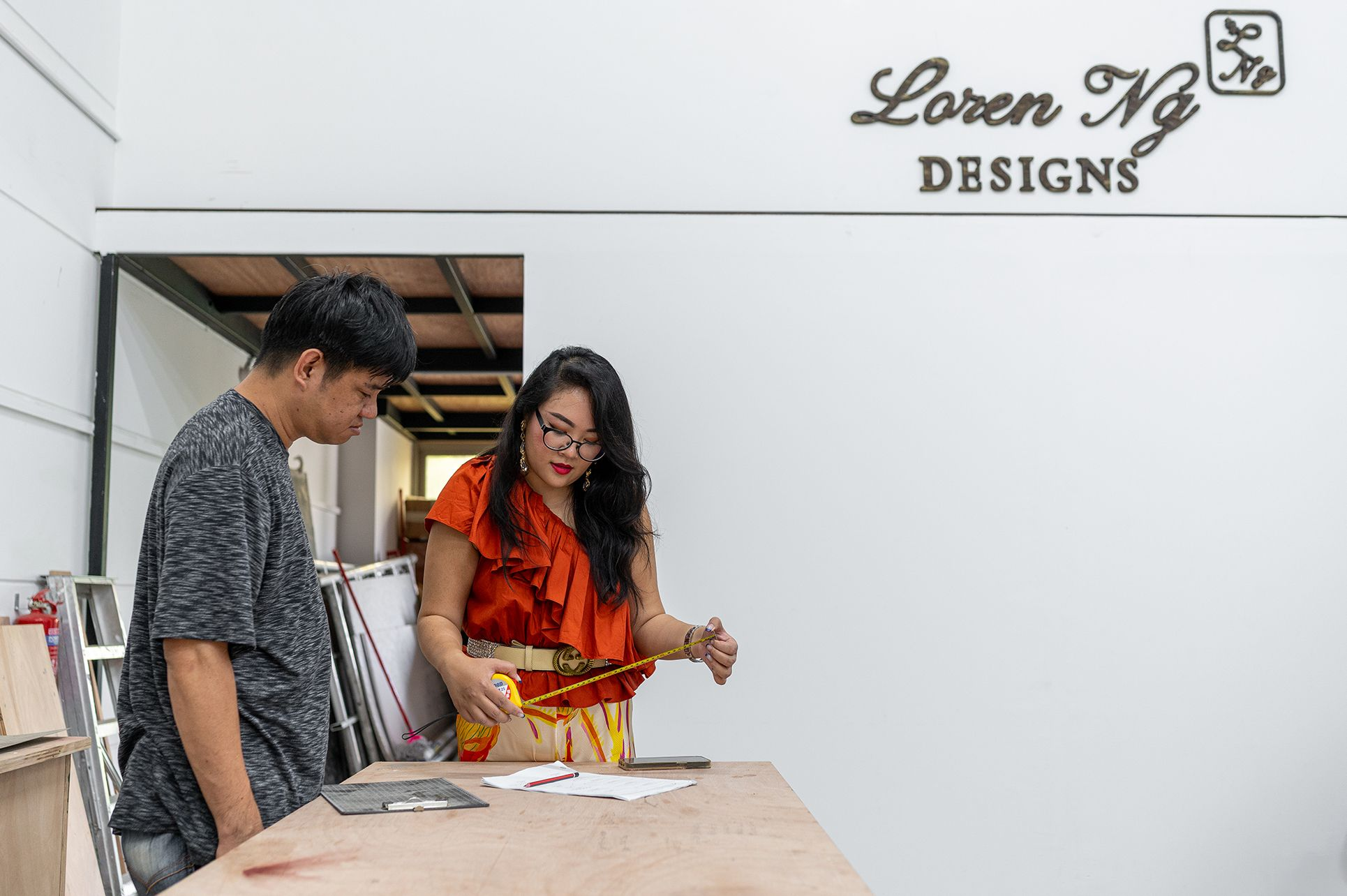
When a firm sends its carpentry out, three things leave with it. Control over quality, because the people building are not the people who drew it. Speed, because every change has to travel back to a workshop that is not theirs. And honesty about the word "custom," which often means little more than choosing a door colour on a carcass sized for everyone.
You feel the result later, not at handover. A drawer front that sits proud of the others. A cabinet that almost meets the ceiling. A join between two materials that was left for the installer to sort out on the day. These are not dramatic failures. They are small compromises, and in a home you paid a premium for, small compromises are exactly what you were trying to avoid.
The details that decide quality live in the making
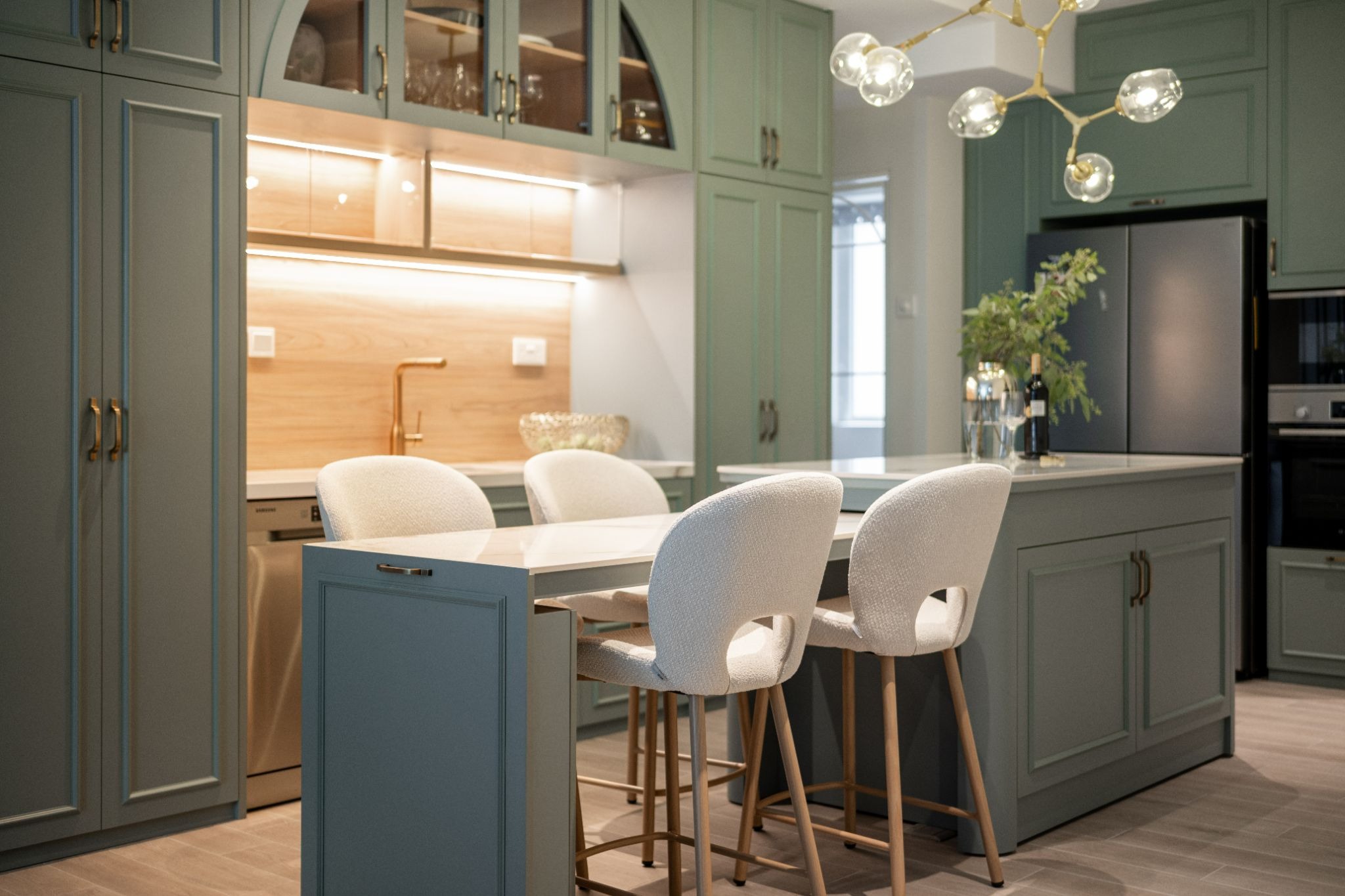
Good carpentry is not judged by the panel. It is judged at the edges, where one material meets, stops, or turns against another. Designers own those junctions and terminations, and they are far harder than they look. In a new building with straight walls, a ten-millimetre shadow gap between a cabinet and the wall can read clean. In an older home where the walls lean and wander, that same ten millimetres will expose every waver. There, we might detail a thirty-millimetre gap instead, so the eye reads a deliberate line rather than a mistake.
You can only make that call if the people drawing and the people building are in the same room. When the making is ours, a carpenter can hold a piece against the actual wall, see the gap the drawing could not predict, and adjust it before it is fixed in place. That is not a luxury. It is the difference between a termination that looks resolved and one that looks like it gave up.
Pieces made for one life, not one showroom
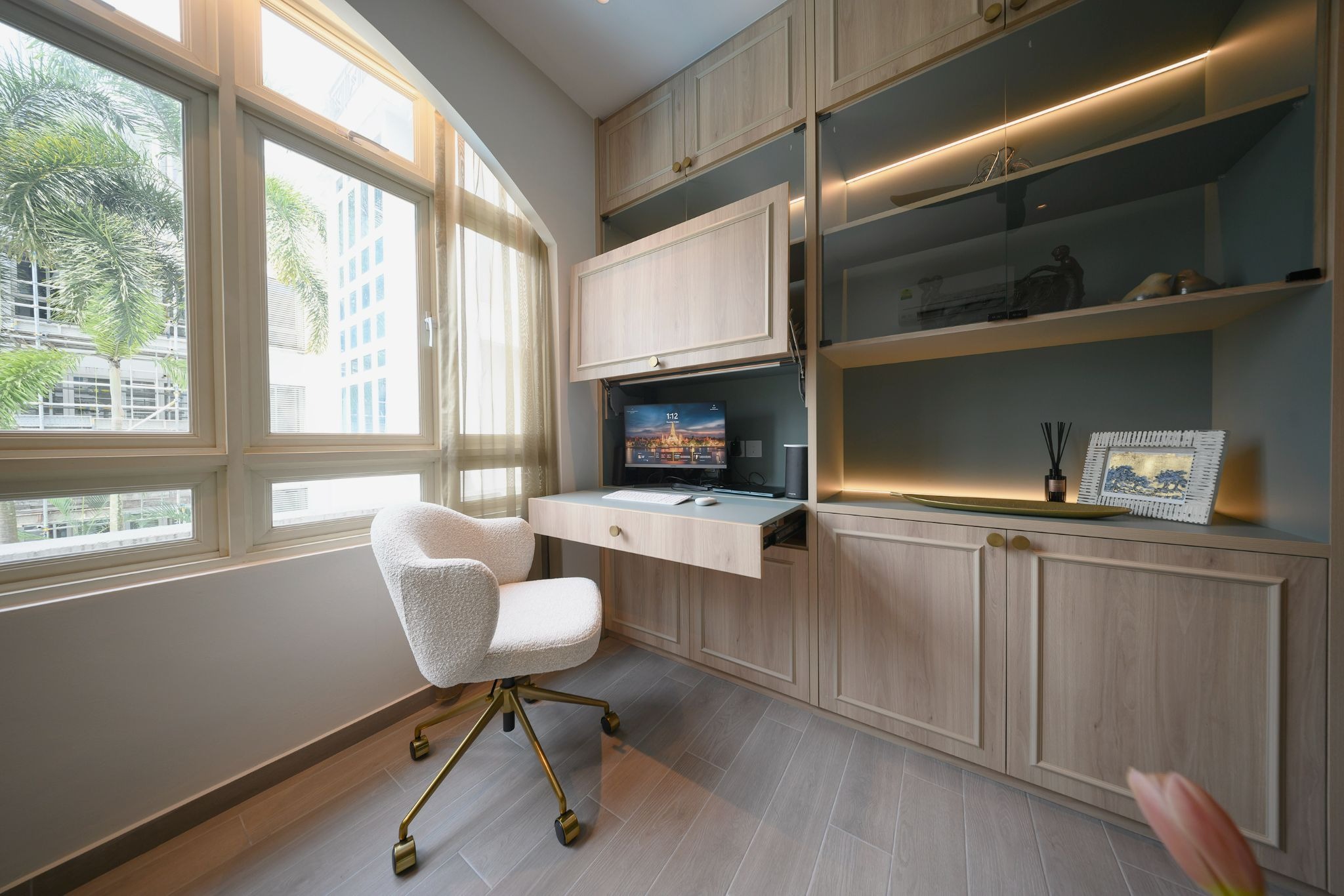
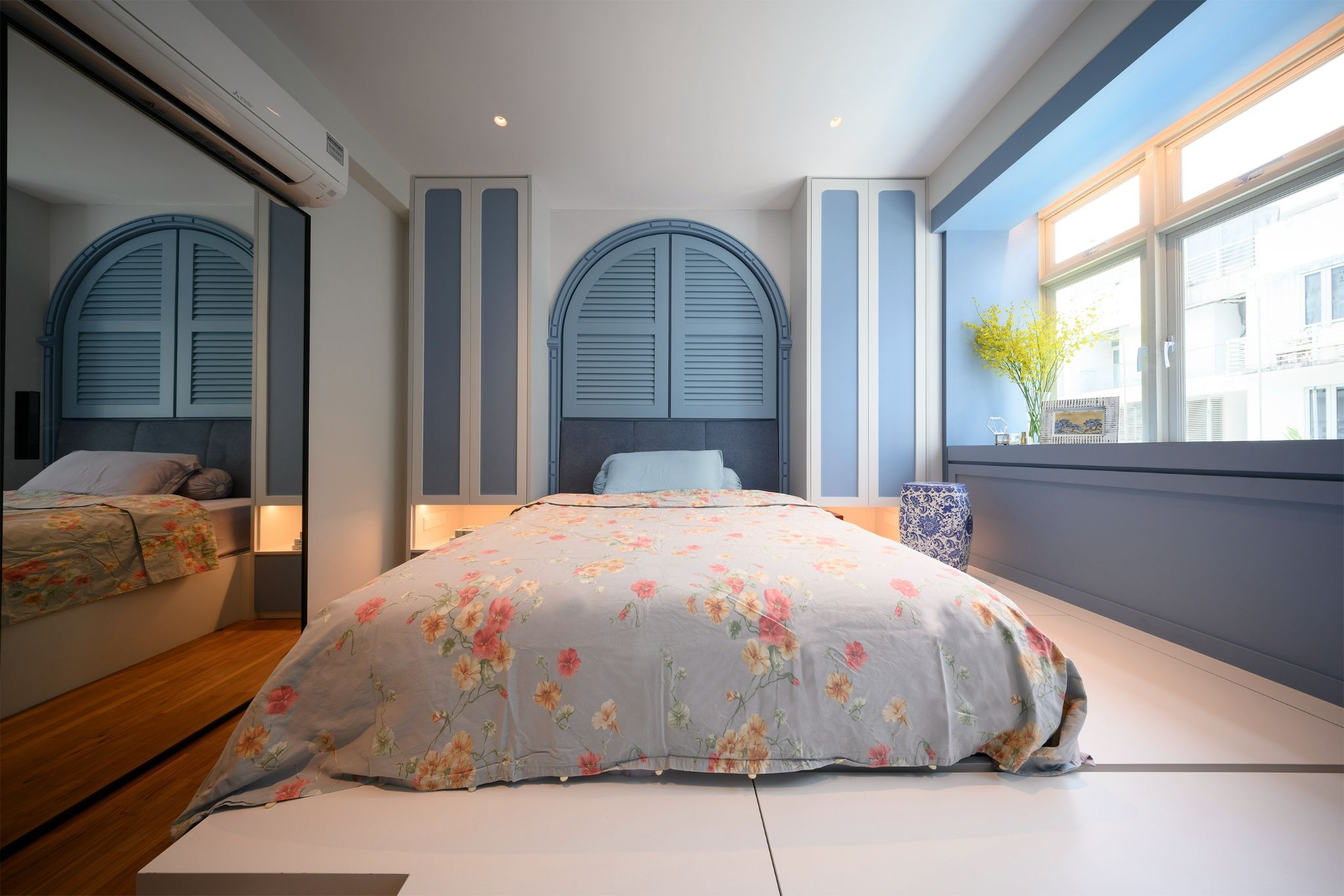
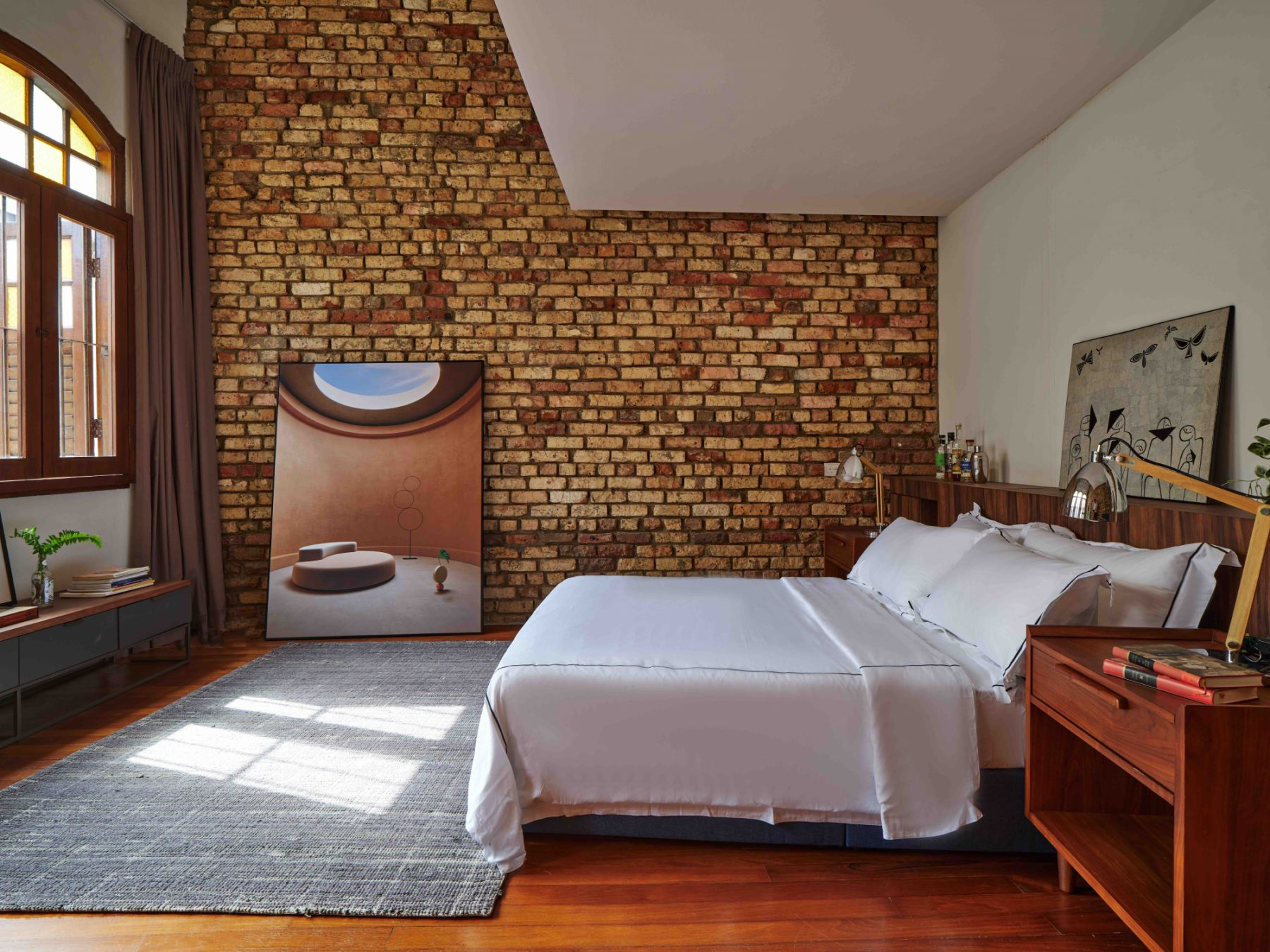
Because we build in-house, we can make furniture that answers to a single family rather than a shelf. In a home we designed on Holland Road, a bookshelf conceals a pull-out table that turns the living room into a part-time office, then folds away flush when the workday ends. The dining island moves and carries its own pull-out table, so the same square metres serve a quiet breakfast and a full gathering. In the bedroom, an arched bedhead drawn from classic Italian shutters doubles as concealed storage, and the platform bed hides drawers and trap doors for the bulky things a family actually owns. You can walk through the whole home in the Holland Road tour.
None of those pieces could be ordered at the store. Each one began as a question about how that family lives, and ended as an object built to answer it. That is what an identity-driven home is really made of. The personality sits in the joinery, shaped around one life, far more than in any motif on the surface.
Faster fixes, and materials you can breathe around
Owning the workshop also changes how a project behaves under pressure. When a site reveals something the drawing did not, we iterate on our own bench instead of waiting on someone else's schedule. A mock-up can be reworked and back on site in days.
It also lets us decide what our carpentry is made of, which matters more than most people realise in a home you cool and close the windows all day. We specify E0, low-formaldehyde boards, because a personal home should not off-gas into the air you breathe in it. We wrote about why that is not optional for us in our carpentry.
Made here, by hand, for this home
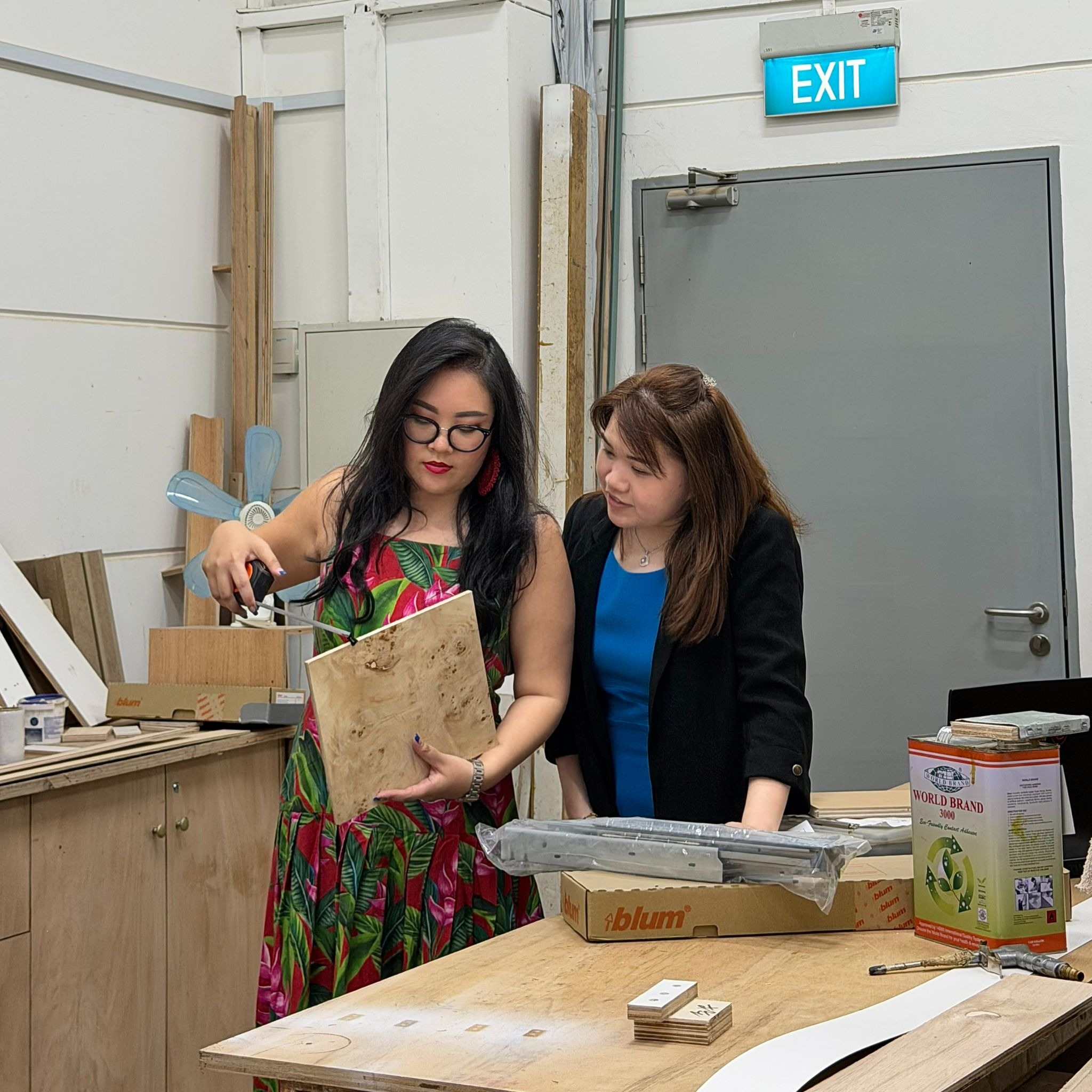
In a market that has learned to renovate fast and flat, building by hand in your own workshop is a stance. It says the home is worth the slower, harder route, and that craft is not a line item to be shipped out to the lowest bidder. These pieces are made here, in Singapore, by people who will stand behind them, for one home and the people in it.
That is what roots a home in its place and its owner at the same time. It is not a heritage tile pasted on a wall that does it. It is the fact that real hands shaped the things you live with, to fit you.
The honest version of "custom"
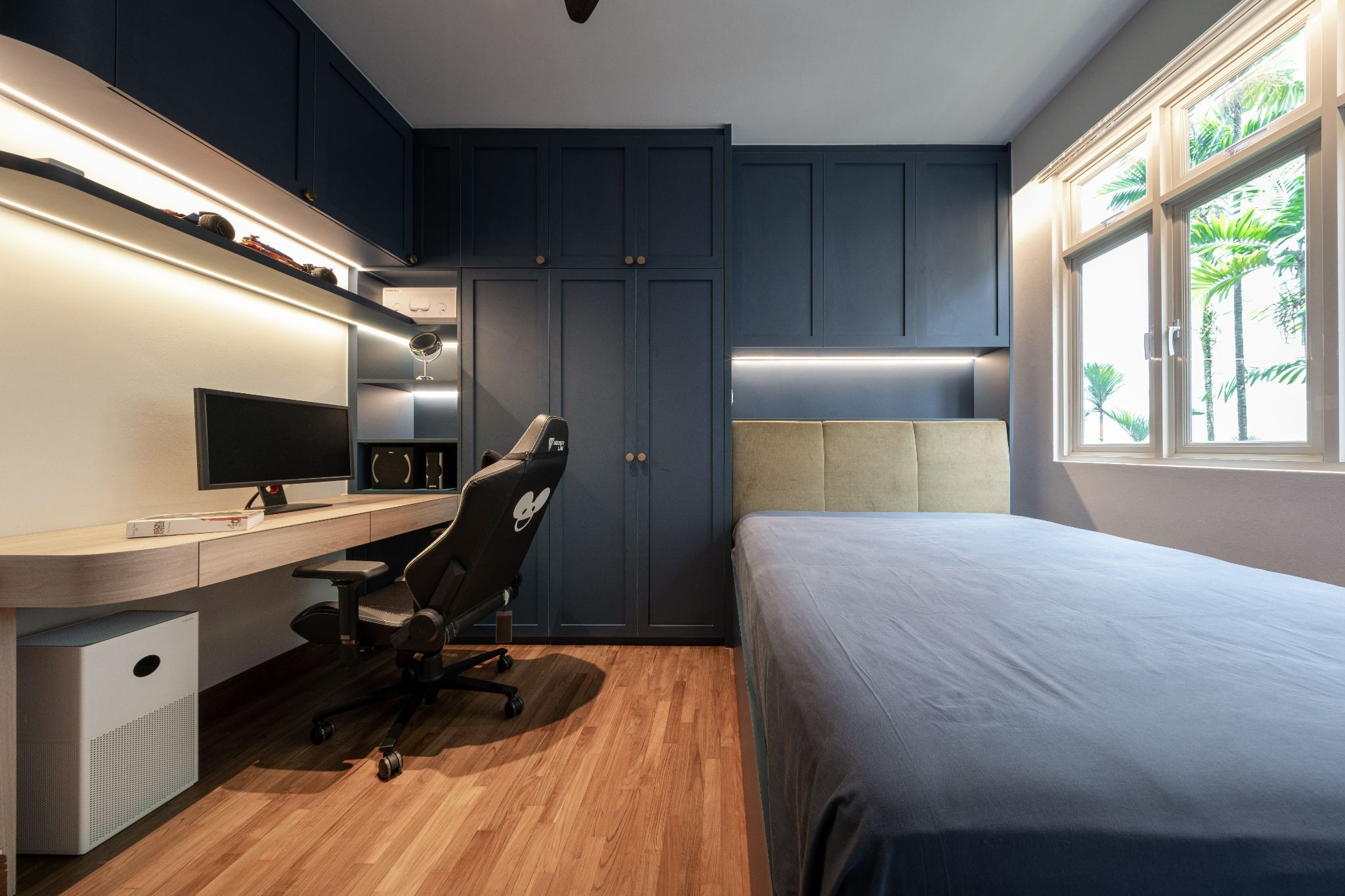
A home that belongs to you is only as personal as the hands you allow to shape it. You can assemble a home from parts made for everyone, and it will look fine in photographs. Or you can have it made, piece by piece, for the way you actually live, and feel the difference every day for years.
If you are planning a home where the details are meant to be yours and not a catalogue's, that is a conversation worth starting early, while there is still time to make things by hand.
📩 ask@lorenngdesigns.com
📷 @loren_ng_designs
Posted by:


BACK TO BLOG
You Might Also Like
.png)


