

Design Don’ts: When Spaces Look Right But Feel Wrong
9 February 2026
Singapore
Share

Redesigning a space is an exciting milestone — a chance to reimagine how your home looks, feels, and supports your daily life. Yet, this is also where many homeowners unknowingly fall into costly design traps. While most renovation advice focuses on what to do, understanding what not to do is just as important.
From prioritising looks over liveability to overlooking essential planning details, these interior design mistakes can quietly undermine even the most beautiful concepts.
Below, we unpack the most common renovation missteps — and how to avoid them — so your home remains timeless, functional, and deeply personal.
Prioritising Aesthetics Over Functionality
.jpg)
When Beauty Isn’t Enough
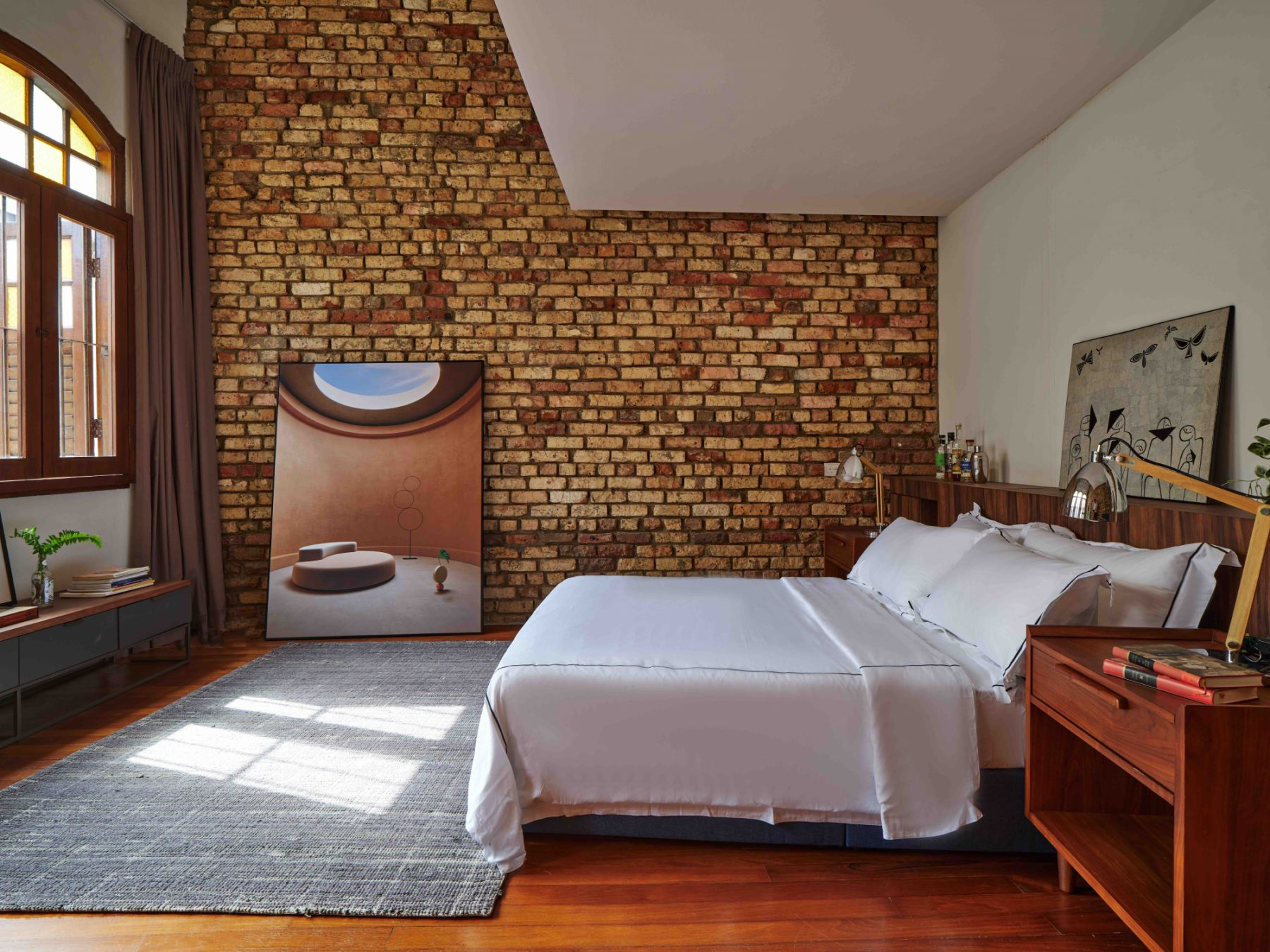
It’s tempting to commit fully to a Pinterest-perfect interior. Sculptural furniture, dramatic finishes, and minimalist layouts can be visually striking — but without considering how you actually live, they often lead to regret.
At Loren Ng Designs, we believe great design lies at the intersection of beauty and purpose. A well-designed home should intuitively support your routines, habits, and lifestyle needs. Without this foundation, even the most stunning space can feel awkward or impractical over time.
Designing For How You Live
Consider how a space will be used throughout the day.
Can it adapt from work to leisure? Does it accommodate both storage and movement? For instance, integrated pull-out tables within cabinetry allow a space to transition seamlessly between display, dining, and work — without visual clutter.
Function-led planning ensures your home doesn’t just look good on day one, but continues to work effortlessly for years to come.
Overcommitting To Interior Design Trends
.jpg)
Why Trends Date Faster Than You Think
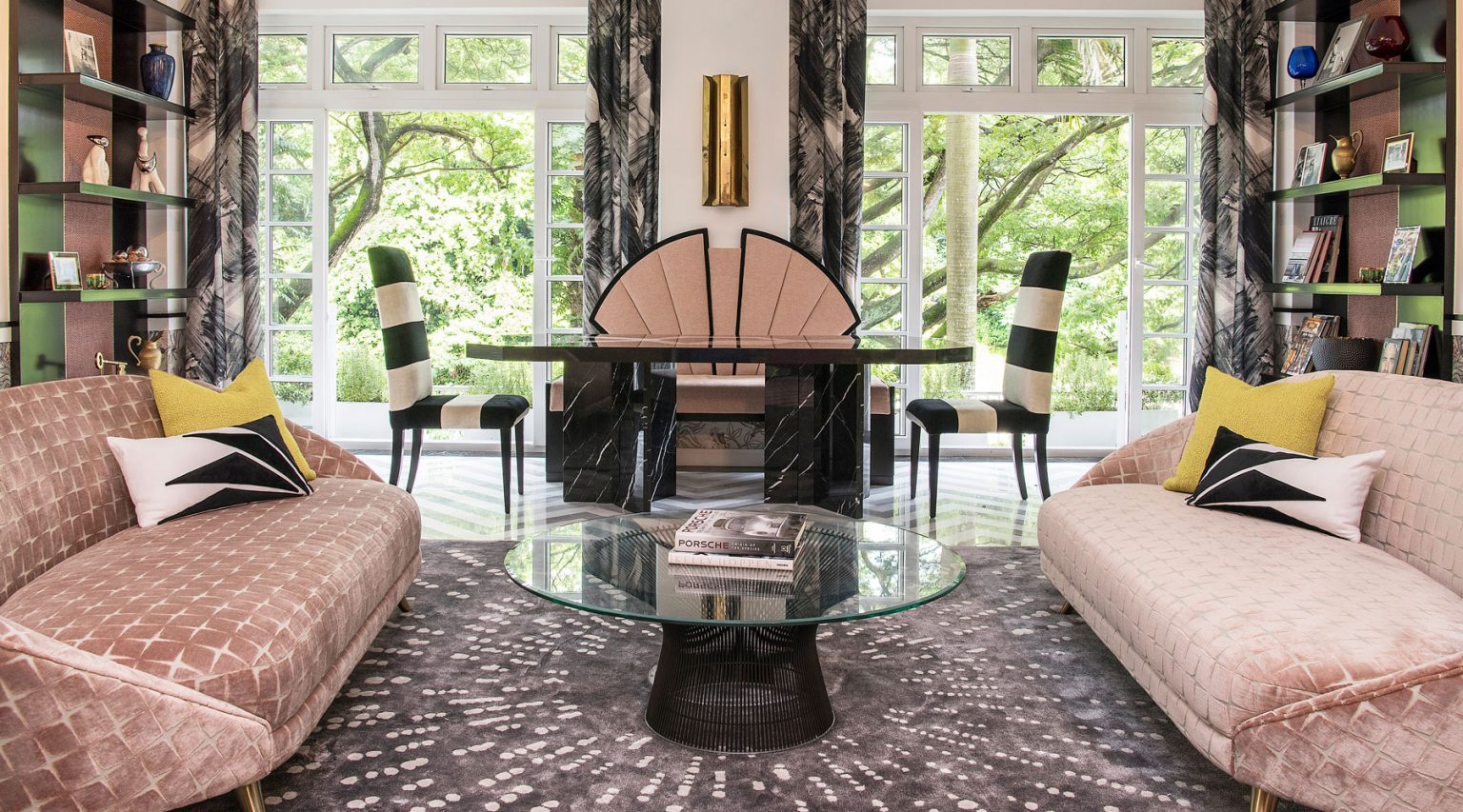
Design trends are enjoyable and inspiring, but they are also fleeting. What feels fresh today — whether it’s an all-grey palette or overly curved architectural details — may feel tired within a few years. When homeowners design an entire space around a trend, they often lock themselves into a look that quickly loses relevance.
How To Use Trends Without Regret
Rather than eliminating trends altogether, the key is moderation. Incorporate them through elements that are easier to update, such as soft furnishings, artwork, lighting, or décor accents. This approach allows your home to evolve without requiring major renovations.
Equally important is personalisation. A space that reflects your story, memories, and identity will always feel more timeless than one driven purely by what’s fashionable.
Design should be meaningful — not just current.
Neglecting Lighting Plans During Renovation
Lighting Is Not An Afterthought
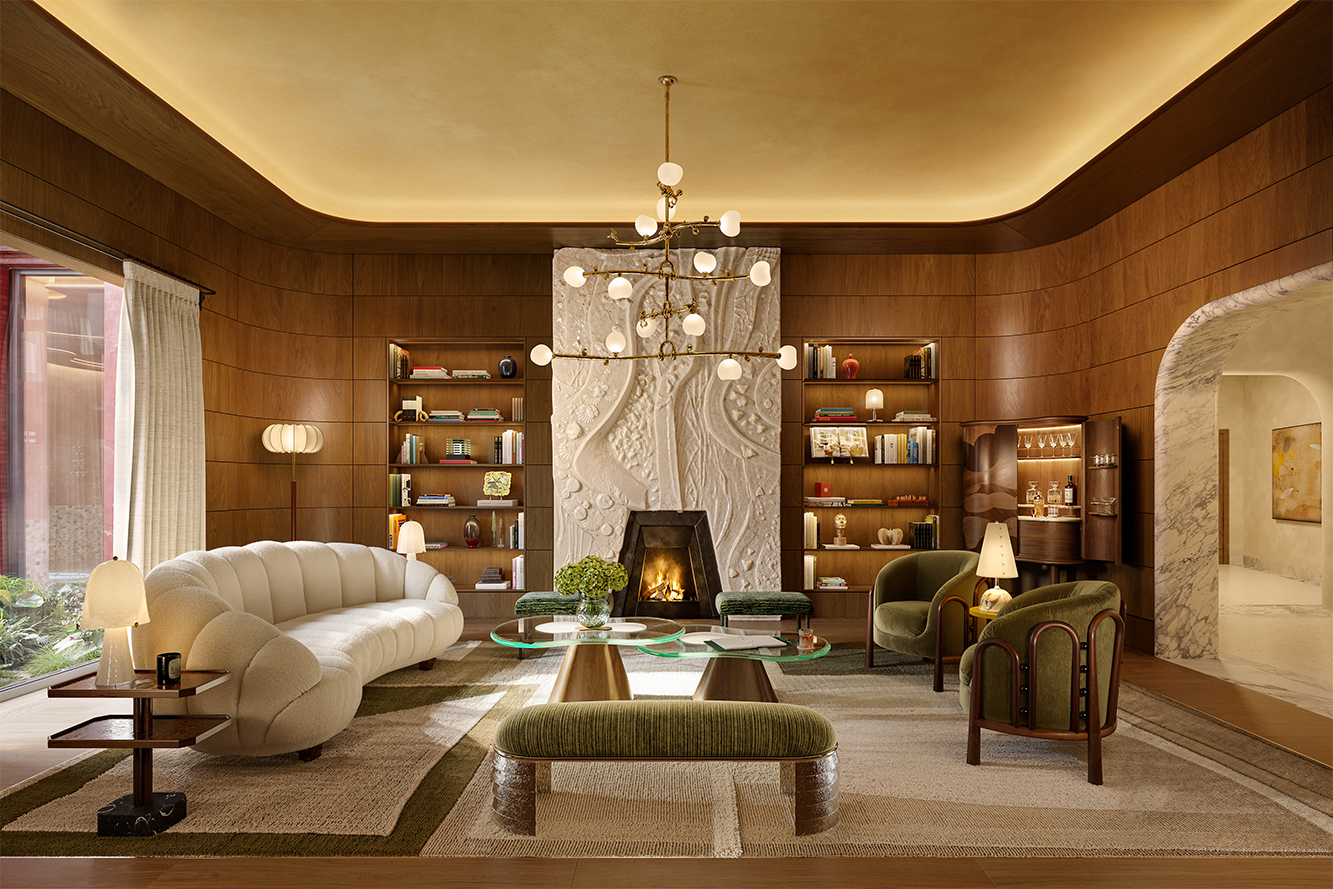
Lighting is one of the most underestimated aspects of interior design, yet it has the power to completely transform a space. Too often, lighting decisions are left until the end — resulting in rooms that feel flat, harsh, or impractical.
Relying solely on overhead lighting limits flexibility and atmosphere, making spaces feel one-dimensional.
The Importance Of Layered Lighting
A well-considered lighting plan combines multiple sources to support both function and mood throughout the day. Layered lighting allows you to adapt your environment — from bright and energising in the morning to soft and calming in the evening.
Effective lighting design typically includes:
- Ambient Lighting For Overall Illumination
- Task Lighting For Focused Activities
- Accent Lighting To Highlight Architectural Or Decorative Features
Planning lighting early ensures fixtures are placed correctly, wiring is optimised, and the final result enhances both comfort and visual depth. Explore Lighting Basics — A 101 Guide.
Underestimating Storage Needs
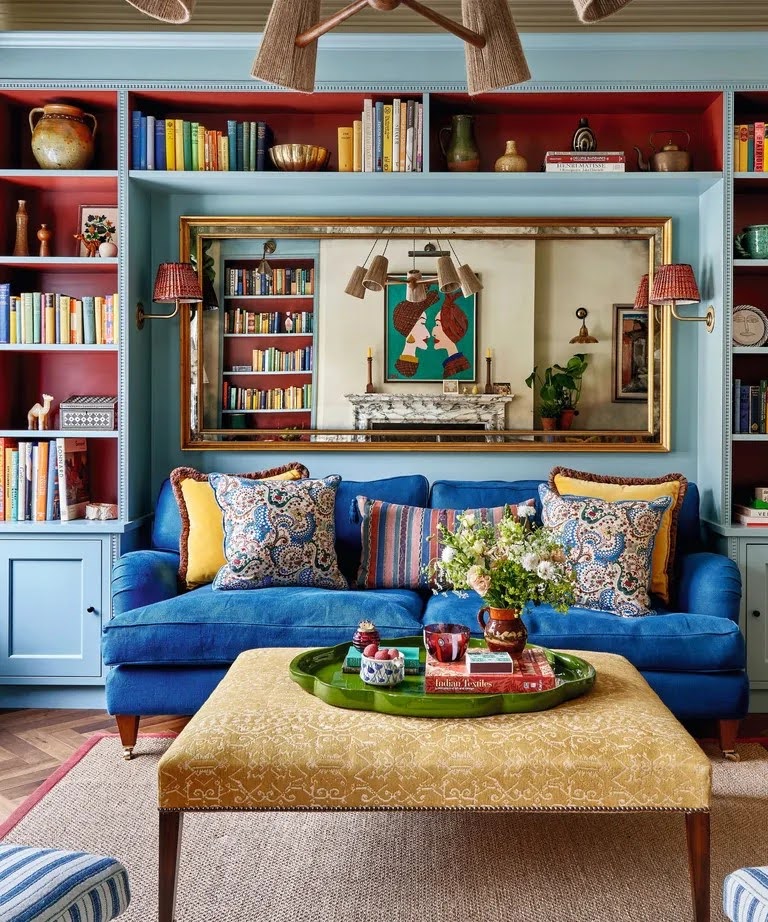
The Hidden Cost Of Insufficient Storage
One of the most common — and expensive — renovation mistakes is underestimating storage requirements. Minimalist interiors may look serene, but without adequate storage, everyday items quickly create visual chaos.
A kitchen without a pantry, a living room with no space for chargers or technology, or a bedroom with insufficient wardrobe storage can make even the most beautiful home frustrating to live in.
Storage As A Design Foundation
Well-designed storage is invisible architecture. It maintains visual calm while keeping daily essentials accessible — a cornerstone of long-term liveability and design psychology.
LND Insight:
- Storage Should Be Planned Before Choosing Finishes Or Furniture.
- Understanding What You Own Is The Foundation Of A Functional Home.
View the full guide: The Ultimate Guide to Storage Planning: How to Design a Home That Stays Beautifully Organised and checklist.
Going Too DIY Without Professional Input
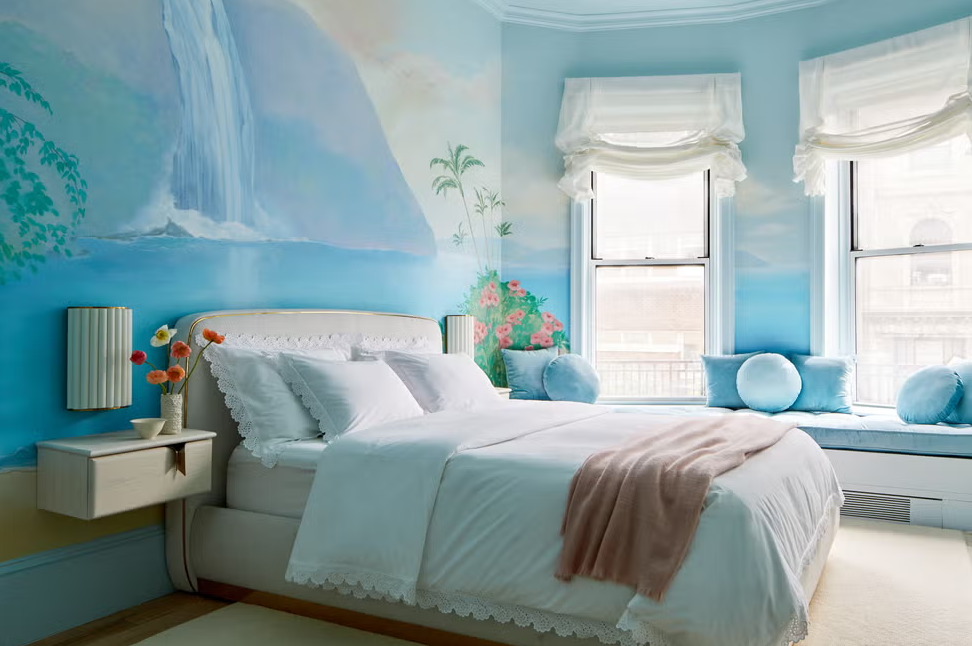
When DIY Creates More Problems Than Savings
DIY projects can be rewarding and cost-effective, but without a cohesive plan, they often result in inconsistency, poor detailing, or missed opportunities. A lack of professional oversight can lead to design disconnects that are difficult — and costly — to correct later.
The Value Of Professional Perspective
Engaging a design professional, even for consultation, provides clarity and structure. Designers bring experience, foresight, and an objective eye — helping to identify potential issues before they arise and ensuring all elements work together harmoniously.
Professional guidance doesn’t limit creativity; it refines it.
Final Thoughts: Designing With Intention
Avoiding these common interior design mistakes helps ensure your renovation results in a home that is not only visually beautiful, but also functional, enduring, and deeply personal. At Loren Ng Designs, we approach every project with intention — blending psychology-led design, thoughtful planning, and refined aesthetics to create spaces that feel as good as they look.
Ready To Create A Home That’s Both Beautiful And Smart?
Let’s bring your dream space to life — one thoughtful choice at a time.
📩 ask@lorenngdesigns.com
📷 @loren_ng_designs
Posted by:


BACK TO BLOG
You Might Also Like
.png)