

Lighting 101: How to Light Your Home Like a Designer (Even If You Know Nothing About Lighting)
22 December 2025
Singapore
Share

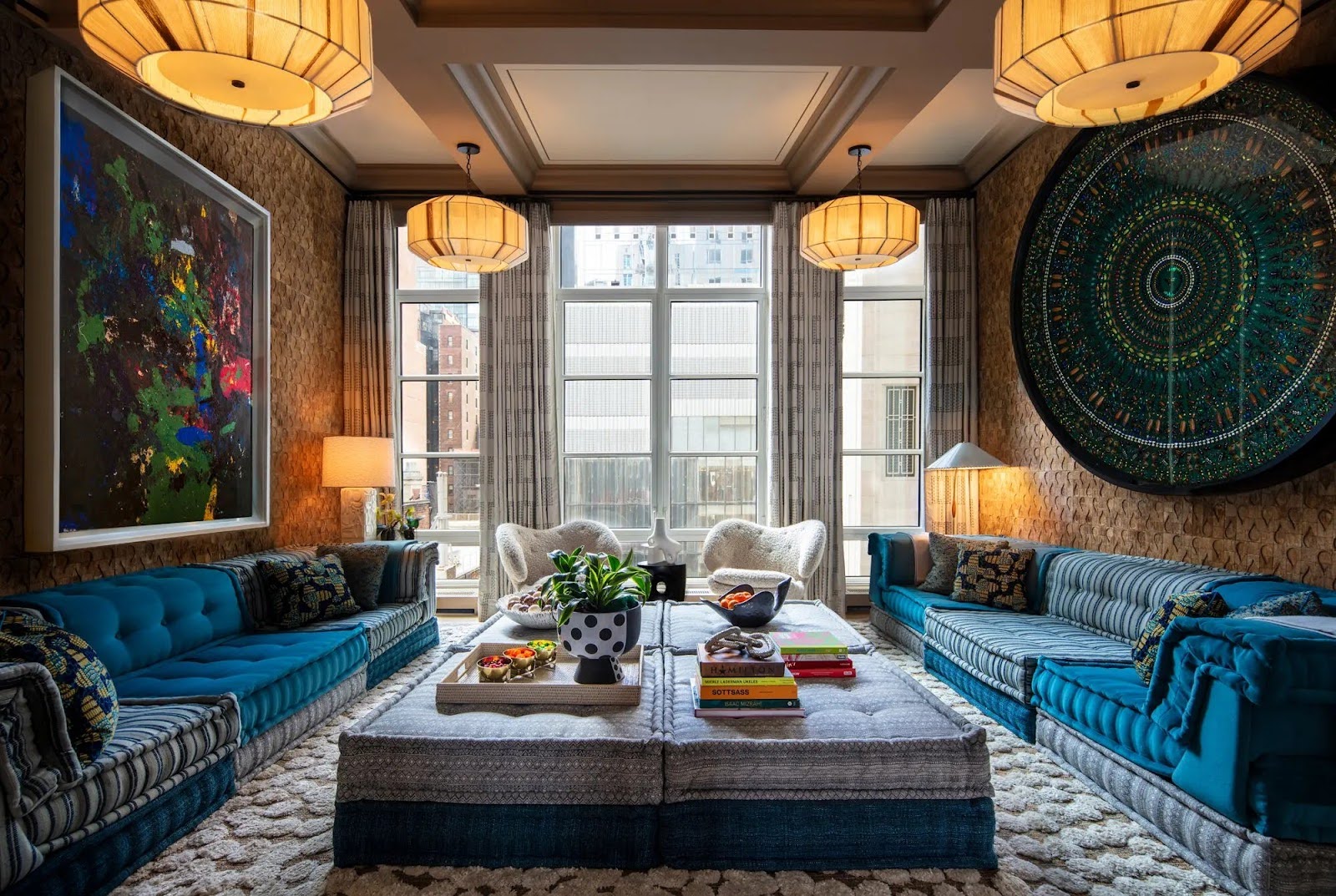
Most homeowners assume lighting is straightforward: choose a nice pendant, add a few downlights, maybe place a lamp. But after 13 years of guiding clients and working closely with lighting specialists to transform how homes feel at night, here’s what we’ve learnt:
✨ Good Lighting Is Not Decoration.
✨ Good Lighting Is Engineering.
✨ Good Lighting Changes How Your Home Feels — and How You Feel.
Lighting is one of the biggest reasons a home feels calm, warm, elevated or “designer”.
This is your Lighting 101 — written for homeowners who want clarity without complexity.
The Purpose of Lighting: Mood First, Brightness Second
.jpg)
Every well-designed home relies on three essential layers of lighting. On their own, each layer serves a purpose — but when combined with intention, they bring a room to life, adding dimension, mood, and atmosphere.
1. Ambient Lighting (Base Layer)
This is your general illumination — the overall wash of light that sets the tone of the room.
Think downlights, ceiling fixtures, or a central pendant that provides even brightness throughout the space.
2. Task Lighting (Functional Layer)
Task lighting supports the practical moments of everyday life: reading, chopping, studying, grooming. It’s focused, purposeful, and placed exactly where you need it.
Consider pieces like:
- Under-Cabinet Kitchen Lighting
- Vanity Lights
- Reading Lamps
3. Accent Lighting (Emotional Layer)
This is the layer that adds soul to a room. Accent lighting introduces intimacy, depth, and emotional warmth — the touches that make a home feel considered and beautifully composed.
You might incorporate elements such as:
- Cove Lights
- Wall Sconces
- Picture Lights
- Concealed LED Strips
Warm vs Cool Light: The One Lighting Number You Need to Know
.jpg)
When it comes to choosing the right light for your home, colour temperature matters more than most people realise. It affects how a room feels — whether warm and inviting, or bright and clinical. The good news is you only need to remember one number:
Kelvin (K) = the colour temperature of your lights
Mint Lighting explains this beautifully in their guide to warm vs cool light.
Here’s the homeowner-friendly version:
2700K — Warm White
Cosy, intimate, hotel-like comfort
Best for: Bedrooms, living rooms
3000K — Warm Neutral
Clean, modern, still warm
Best for: Kitchen, dining
4000K — Cool White
Energising, bright, clinical
Best for: Workspaces, study areas only
At Loren Ng Designs, we use 2700–3000K in the majority of projects. Anything above 4000K makes a home feel commercial.
Stop Overusing Downlights
Contractors often default to scattering 4 - 8 downlights per room because:
- It’s Easy
- It’s Fast
- It Requires No Design
This leads to glare, harsh shadows and flat, uninviting lighting. Downlights should be used sparingly and strategically — they’re functional, not decorative.
If you want to learn more about how different light types behave, this Mint Lighting guide is helpful.
This also ties into one of the biggest homeowner frustrations:
Lighting feels wrong because it was decided “on site”
without planning.
We explain this deeper in 7 Renovation Red Flags Even Savvy Homeowners Miss, where poor lighting planning appears regularly.
Cove Lighting: The Shortcut to Quiet Luxury
Cove lighting is one of those small design choices that makes an outsized difference. The right approach creates a warm, architectural glow; the wrong one can feel stark or dated.
These are the essentials we consider in every project.
- Always Have Options for Dimmer
- Choose Warm Tone (2700K–3000K)
- Conceal the LED Strip Completely
- Avoid Bright, Harsh Strips
Good cove lighting is emotionally soothing and visually elegant.
Dining Table Lighting: The Heart of the Home
.png)
The dining table is the emotional centre of a home, and its lighting should reflect that. Thoughtfully chosen pendant lights do more than illuminate—they bring people together.
The perfect dining pendant:
✔ Warm (2700K)
✔ Dimmable
✔ ½ to ⅔ the Width of Your Table
✔ Centred Precisely
✔ Hung 75–85cm Above the Table
At Loren Ng Designs, we select pendants that illuminate faces and food evenly — creating intimacy and comfort.
Bedroom Lighting: Create a “Rest Mode” Environment
.jpg)
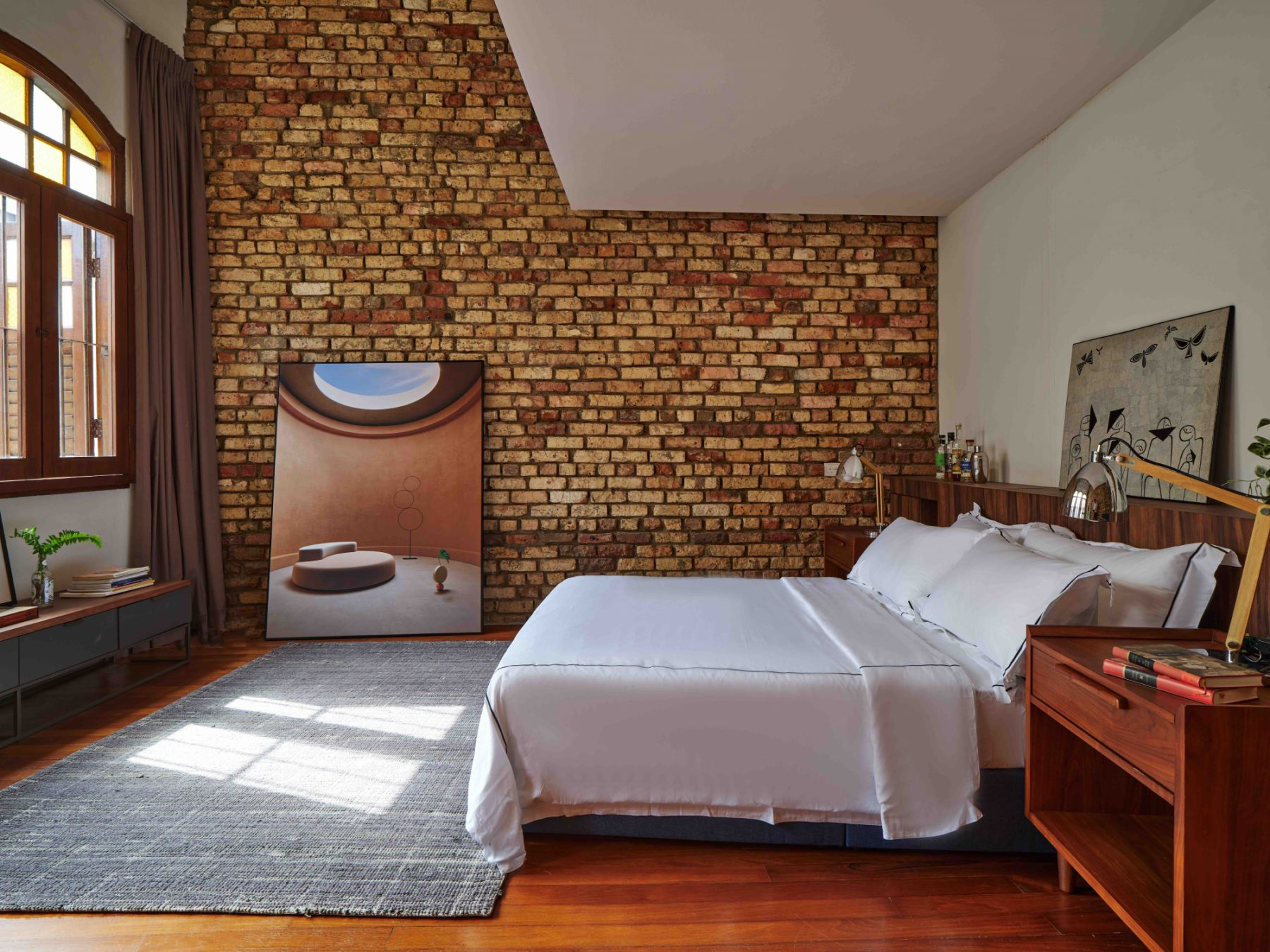
Bedroom lighting works best when it feels gentle, intentional and restorative. Bright ceiling lights can be jarring, but warm, indirect illumination creates the serenity every sleep space needs.
Better alternatives include:
- Bedside Lamps
- Cove Lighting
- Indirect Glows
- Soft Wall Sconces
Another helpful tip: Position brighter task lights near the wardrobe or vanity instead.
Lighting and emotional calm go hand-in-hand. If the room still feels visually overwhelming, our How to Declutter a Singapore Home guide offers gentle, practical solutions.
Kitchen Lighting: Safety First
.png)
The most common mistake:
Only using ceiling lights.
Worktops need direct task lighting — not shadows.
Use:
✔ Under-cabinet LED strips
✔ Bright but diffused light beams
✔ 3000K warm neutral
Once you introduce proper task lighting, everything—chopping, cooking, cleaning—feels noticeably smoother. A well-lit kitchen not only looks better, but supports you in the ways you use it daily.
Multiple Circuits & Dimmers = 70% of Good Lighting Design
One of the simplest ways to elevate your home’s lighting is through better control. By separating circuits and introducing dimmers, each room gains the ability to change mood and purpose instantly.
These are the elements we usually consider:
✔ Under-Cabinet LED Strips
✔ Bright but Diffused Light Beams
✔ 3000K Warm Neutral
This is how a space transforms from day mode → evening mode → hosting mode.
Why Lighting Planning Must Happen Early
Lighting affects:
✔ Carpentry (LED Recesses, Profiles, Shadow Gaps)
✔ Ceiling Design (Aircon Vents + Lights Must Align)
✔ Electrical Points (Switch Location)
✔ Mood + Psychology
✔ Resale Value (Well-Lit Homes Feel Premium)
You’ll find a fuller explanation in our guide:
The Real Renovation Timeline & Why Planning Ahead Saves Money
The LND Approach: Lighting Designed Around You
.jpg)
Lighting shapes:
- How You Rest
- How You Cook
- How You Work
- How You Gather
- How You Reset Emotionally
At Loren Ng Designs, we design lighting around your habits, your identity, and your emotional comfort — not just aesthetics.
Lighting, storage, and flow work together to create visual calm.
For deeper reading, explore The Ultimate Guide to Storage Planning, which complements this lighting guide perfectly.
Ready to Design Lighting That Actually Works for Your Life?
We design lighting that makes your home feel warm, human, comfortable — day and night.
📩 ask@lorenngdesigns.com
📷 @loren_ng_designs
Posted by :


BACK TO BLOG
You Might Also Like
.png)