

DIY or Designer-Led? Start With Your Floor Plan & Flow Before You Renovate
2 March 2026
Singapore
Share


DIY (Do it Yourself) renovation is no longer a fringe concept. It has become a legitimate path many homeowners consider — especially those who are design-aware, cost-conscious, or eager to retain creative control over their homes. With access to endless inspiration, contractor referrals, and renovation advice online, taking matters into your own hands can feel both practical and empowering.
At Loren Ng Designs, we see this shift not as a challenge to professional design, but as a reflection of how involved homeowners want to be in shaping their spaces. Yet the most consequential renovation decisions are rarely the ones discussed most openly. Before the question of DIY or designer-led even arises, there is a more fundamental consideration: does your floor plan and spatial flow genuinely support how you live?
This is where many renovations succeed — or quietly unravel over time.
What Does DIY Really Mean In Home Renovation?

In renovation, DIY does not usually mean doing everything yourself. More often, it refers to a self-directed process — planning layouts independently, engaging contractors directly, coordinating trades, and making design decisions without a central design lead.
At its core, DIY is about ownership of decisions rather than physical execution. This sense of autonomy is appealing, particularly for homeowners who enjoy research and feel confident making choices. However, in renovation contexts, this often leads to trusting intuition when it comes to layouts, assuming existing floor plans are fixed, or prioritising finishes before spatial planning has been fully resolved.
While this approach can feel efficient at the outset, it places significant weight on early decisions — particularly those involving walls, circulation, and built-in elements.
Why Many Homeowners Choose The DIY Route

There are clear and understandable reasons why DIY renovation continues to appeal, especially in dense urban homes where budgets, timelines, and personal preferences are closely intertwined.
Common Motivations Behind DIY Renovations
- Budget Awareness And Cost Control
- Desire For Personal Expression And Ownership
- Creative Satisfaction From Managing The Process
- Fatigue From Overly Prescriptive Design Experiences
DIY can feel more flexible, less formal, and more aligned with individual taste. For some homeowners, it offers a sense of agency that feels lost in more structured renovation processes.
What it does not always offer, however, is spatial clarity.
Where DIY Renovations Commonly Falter
Most DIY renovation challenges do not appear immediately. They surface months after move-in, once daily routines settle in and the home is no longer viewed through a completion-day lens. What initially feels workable can begin to reveal small but persistent points of friction.
From our experience, these issues tend to stem not from workmanship, but from early planning decisions.
Common Planning Blind Spots We See
- Assuming The Existing Floor Plan Is Fixed
Many homeowners work around layouts that were never designed for their lifestyle, missing opportunities to improve flow through subtle but impactful adjustments.
- Underestimating Circulation And Clearance
Walkways that feel acceptable on drawings can become constricting in daily use, particularly in shared zones such as kitchens and living areas.
- Prioritising Storage Over Movement
Built-ins added without considering how people move through space often interrupt natural flow rather than support it.
- Planning Rooms In Isolation
Spaces may function individually, but fail to connect cohesively, resulting in a home that feels disjointed rather than intuitive.
- Delaying Professional Input Until Too Late
By the time spatial issues become apparent, walls are already hacked and services fixed, making meaningful changes costly and disruptive.
This is often the stage where homeowners pause — unsure whether they have planned far enough ahead.
Our free guide, The Must-Have Pre-Reno Checklist, is designed for this exact moment. It outlines the essential questions to ask before committing to layouts, contractors, or renovation timelines.
Many industry discussions around DIY versus professional involvement point to this same tension: while self-management can work well for certain stages, spatial planning is often where experienced input has the greatest impact.
How DIY And Professional Renovations Differ
Rather than framing this as a question of right or wrong, it is more useful to look at where each approach excels — and where it is most exposed.
.png)
The distinction lies not in taste, but in foresight.
Why Floor Plan And Flow Matter The Most
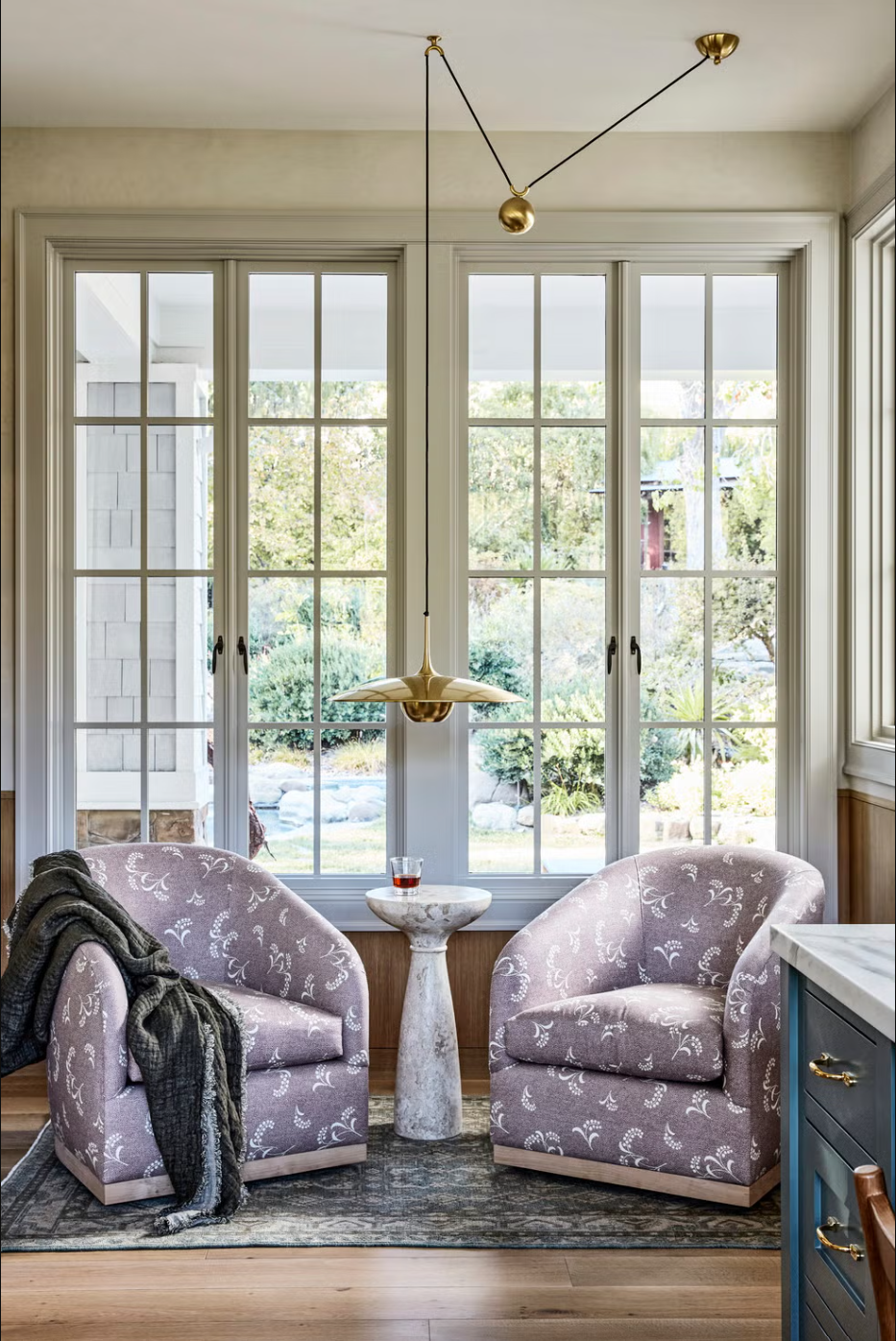
Whether a renovation is self-managed or designer-led, the floor plan is the decision that outlasts every other choice. Paint colours change. Furniture moves. Even cabinetry can be replaced. But circulation, adjacencies, and spatial proportions are far harder to undo once construction begins.
Flow determines how a home is experienced in motion — how you enter, where you pause, how spaces open or compress, and how daily routines overlap without friction. When floor plans are resolved well, homes feel intuitive. When they are not, even generous spaces can feel constrained.
From our perspective, good planning is not about maximising rooms or storage at all costs. It is about understanding relationships between spaces:
- How Private And Shared Zones Transition
- How Light Travels Through The Home At Different Times Of Day
- How Movement Aligns With Sightlines And Furniture Placement
- How Storage Supports Rather Than Interrupts Circulation
These considerations apply regardless of who manages the renovation. A DIY project with a well-considered layout will often outperform a professionally executed renovation built on a compromised plan.
This is why we encourage homeowners to slow down at the planning stage. Floor plans are not administrative drawings; they are behavioural ones. Getting them right early creates flexibility later — in budget, timeline, and design direction.
Where We Stand As Loren Ng Designs

At Loren Ng Designs, we do not position ourselves against DIY. Instead, we focus on where professional insight makes the greatest difference — before irreversible decisions are made.
From our experience, floor plan and flow decisions shape nearly everything that follows. This is why we consistently emphasise early-stage planning. If you are interested in how sequencing and timelines influence renovation outcomes, you may find our blog useful: The Renovation Timeline Contractors Won’t Tell You.
Planning is not about perfection; it is about reducing blind spots. For further reading, we explore how early decisions determine the majority of renovation success here.
Whether a homeowner chooses a DIY path or a designer-led one, the spatial framework must be deliberate. Flow is not something added later; it is embedded from the beginning.
Begin With Spatial Clarity
The real question is not whether you should DIY or engage a designer. It is whether your home has been planned with enough clarity to support your daily life — now and in the years ahead.
Once a floor plan works, many paths remain open. Without it, even the most considered finishes struggle to compensate for friction in movement, storage, or light.
A successful renovation is not defined by how it looks on completion day, but by how it continues to perform quietly and intuitively over time.
Design That Begins With Understanding
At Loren Ng Designs, we believe good renovation decisions are made early — with clarity, not urgency.
If you are planning your next step, book a consultation with us and start with a floor plan that truly supports how you live.
📩 ask@lorenngdesigns.com
📷 @loren_ng_designs
Posted by:


BACK TO BLOG
You Might Also Like
.png)