

Why Planning Ahead Determines 90% of Your Renovation Success
5 January 2026
Singapore
Share


Most homeowners assume renovation problems happen during construction.
But in reality, 90% of mistakes happen long before anyone picks up a drill.
Poor planning = rushed decisions = mismatched expectations = rework.
Proper planning = clarity, accuracy, and a project that flows smoothly.
At Loren Ng Designs, we’ve seen both — and the difference is night and day.
This guide explains why planning is the real backbone of a successful renovation.
1. Planning Prevents On-Site Guesswork
When drawings are missing, incomplete, or unclear, workers are forced to guess:
- Tile Starting Points
- Carpentry Proportions
- Ceiling Alignment
- Switch and Socket Placement
- Material Transitions
These aren’t small details — they shape the final look and feel of your home.
You may imagine your cabinets perfectly centred, your tiles aligned with your fixtures, or your lighting flowing symmetrically across the ceiling.
Without drawings, that vision never gets communicated.
Most renovation nightmares begin with: “We’ll decide on-site.”
2. Early Decisions Protect You From Rushed, Stressful Moments
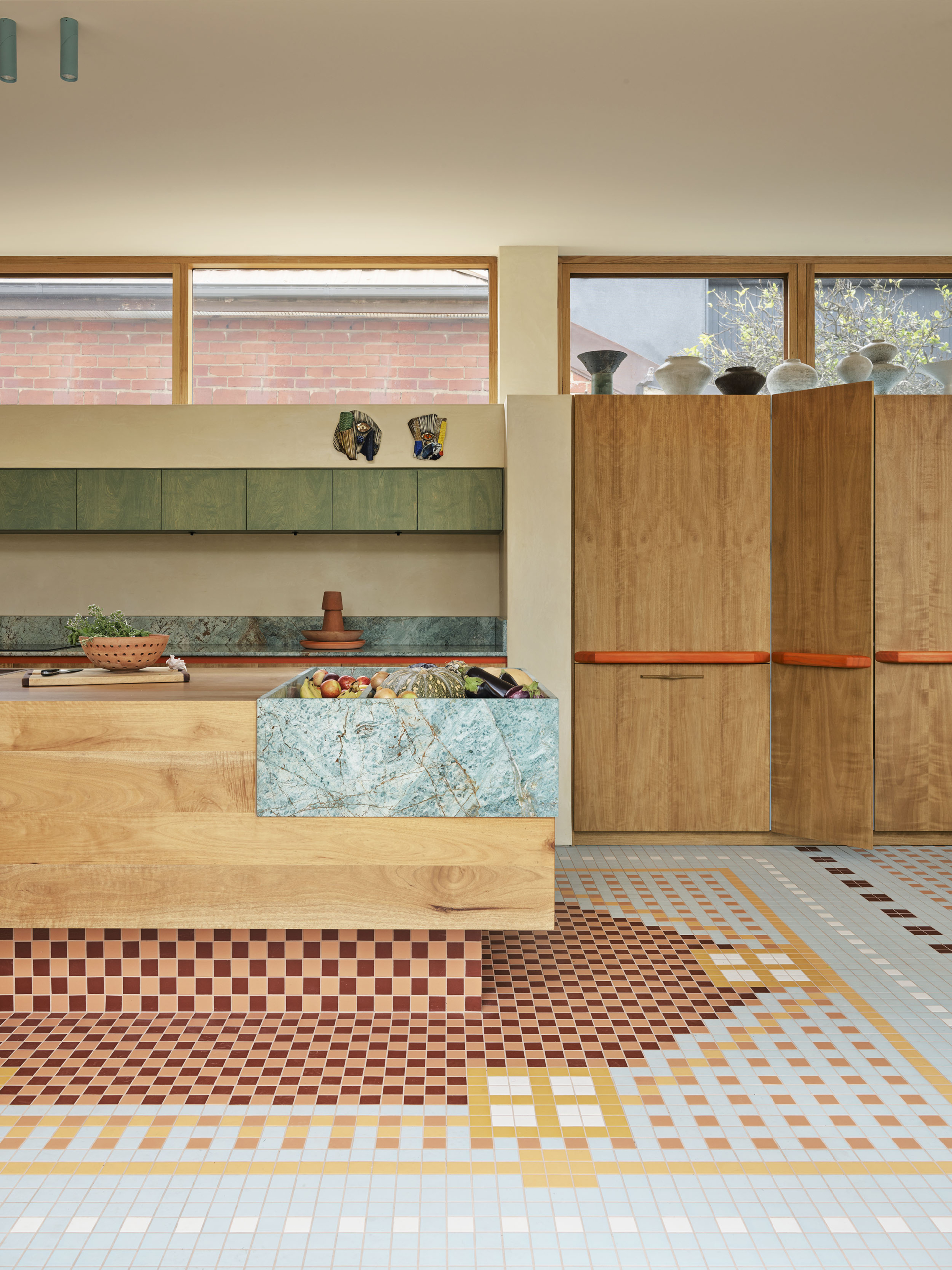
Imagine this: it is a hot day and you are standing on the job site (amidst all the chaos and dust); being ‘bombarded’ with questions such as - how deep you want the kitchen island to be, how big your drawer should be (or if you prefer a casement door), how many power points you imagine you’d need, etc.
Some contractors make homeowners choose things on the spot, while workers are waiting.
But, a few important decisions need:
- Time to Think
- The Ability to Compare Options
- Understanding of Technical Implications
When choices are rushed, homeowners either:
✔ Regret the Decision Later, or
✔ Trust the Contractor… Who May Choose for Convenience, Not Aesthetics or Safety.
Clear advance planning removes pressure, confusion, and panic-buying scenarios.
3. Planning Keeps All Trades Aligned
.jpg)
Renovation isn’t one trade. It’s:
Tilers + Electricians + Plumbers + AC + Metalwork + Carpenters + Painters + Suppliers
Without a plan, each trade does what’s easiest — not what’s coordinated.
This is how you end up with:
- AC Vents Not Aligned With Lights
- Carpentry Clashing With Electrical Points
- Tile Lines That Don’t Match Cabinetry
- Awkward Ceiling Levels
When everything is planned early, a home becomes visually coherent.
Nothing feels “off.” Everything feels intentional.
4. Good Planning = Fewer Delays and Fewer Mistakes
Construction slows down whenever there is unclear instruction.
Workers stop and ask questions, or worse — they continue and do it wrong.
Every gap in planning costs:
- Time
- Money
- Material
- Energy
Good planning eliminates these pauses and prevents rework.
It makes construction feel like a clean checklist, not constant firefighting.
5. Planning Anticipates Your Lifestyle Needs
.jpg)
Planning isn’t just technical — it’s behavioural.
This is where we think about:
- How You Move
- What You Store
- What You Struggle With Daily
- Your Habits, Routines, And Non-Negotiables
This is where we ask:
- Do You Need More Concealed Storage?
- Do You Host Often?
- Do You Cook Daily?
- Do You Work From Home?
- Do You Need Acoustics Considered?
- Do You Have Bulky Appliances?
Without planning, homes look pretty but don’t live well.
With planning, the home supports your lifestyle effortlessly.
6. Planning Makes Budgeting More Honest
Most “cheap quotes” stem from incomplete scopes.
When everything is planned early:
- Every Component Is Counted
- Every Meter Is Measured
- Every Finish Is Chosen
- Every Trade Is Coordinated
Fewer surprises = fewer variations = fewer arguments.
A well-planned project is financially transparent from day one.
7. Why Quality Comes From the Planning Room, Not the Jobsite
Quality isn’t only about workmanship.
It’s about knowing what to build.
Proper planning includes:
- Tile Layout Drawings
- Carpentry Shop Drawings
- Electrical And Lighting Plans
- Ceiling Plans
- Material Specifications
- Waterproofing Details
- Joinery Details
- Measurements Verification
Without these, even the best workers can only do so much.
Planning is what elevates the outcome from “done” to beautifully completed.
A Real Example: When Planning Creates Excellence
.png)
For our Home & Decor–recognised project, we invested heavily in planning:
- 2–3 Months of Design Development and Coordination
- 2 Weeks of On-Site Measurement Verification Before Fabrication
- 3 Months of Construction
- Move-In Completed Smoothly
Despite technical complications, the project ran like clockwork because every detail — from tile centreline to ceiling alignment — was decided before stepping onto the site.
When planning is strong, execution is predictable, calm, and efficient.
The Takeaway
You can cut costs on materials.
You can cut scope.
But the one thing you should never cut is planning.
Because when planning is weak:
- Mistakes Multiply
- Timelines Stretch
- Budgets Explode
- Frustration Builds
- Details Suffer
When planning is strong:
- The Project Is Calm
- The Timeline Is Realistic
- Decisions Feel Confident
- The Outcome Feels Refined
- The Home Looks Intentional
Planning isn’t paperwork.
It is the foundation of a renovation that lasts.
⭐ Retracing Our Path
If you want to understand how long each stage actually takes, read Part 1:
The Renovation Timeline Contractors Won’t Tell You.
⭐ Begin with Clarity, End with Beauty

A beautiful renovation doesn’t start with hacking —
It starts with clarity.
If you’re planning a project and want it done right from the beginning, we’d love to guide you.
📩 ask@lorenngdesigns.com
📷 @loren_ng_designs
Posted by:


BACK TO BLOG
You Might Also Like
.png)