

Less Clutter, More Rest: Rethinking Bedroom Storage
8 June 2026
Singapore
Share

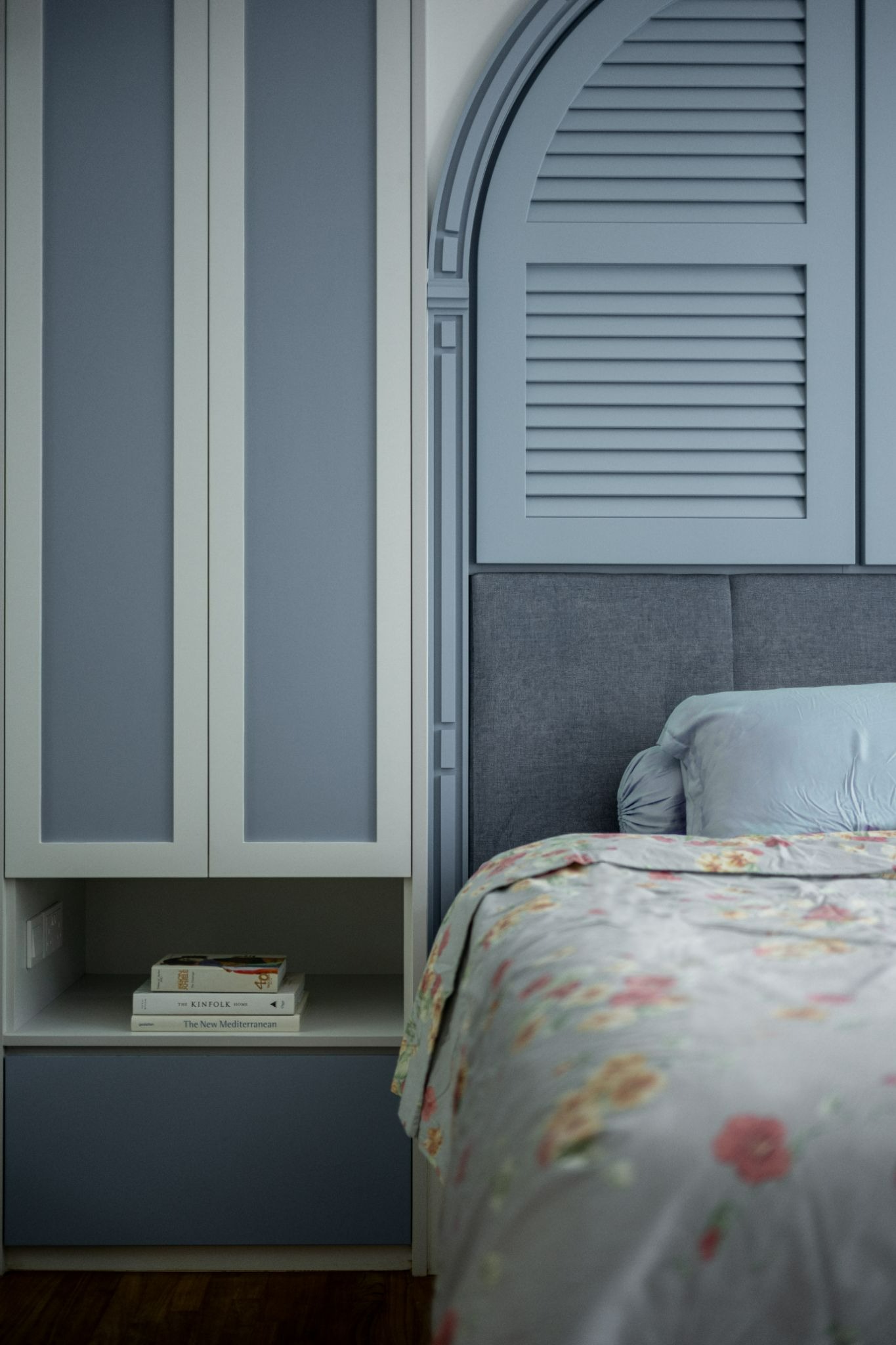
The modern bedroom carries a quiet contradiction. It is designed as a sanctuary — a place of restoration and retreat — yet it is often asked to perform the practical duties of storage, organisation, and daily preparation. Wardrobes expand, drawers multiply, and surfaces gradually accumulate the artefacts of everyday life.
Clutter is rarely just a question of excess possessions. More often, it reveals a spatial imbalance — storage that is too visible, furniture that competes for attention, or a room that was never designed to support daily routines. This idea we explore further in our blog: Why Clutter Signals a Design Problem — Not Just Too Much Stuff.
Reconsidering bedroom storage therefore becomes less about organisation tools and more about spatial intention. At Loren Ng Designs, we approach storage as part of the architecture of the room — integrating wardrobes, platforms, and furniture solutions in ways that reduce visual noise and support a calmer environment for rest.
1. Designing Storage Into The Walls
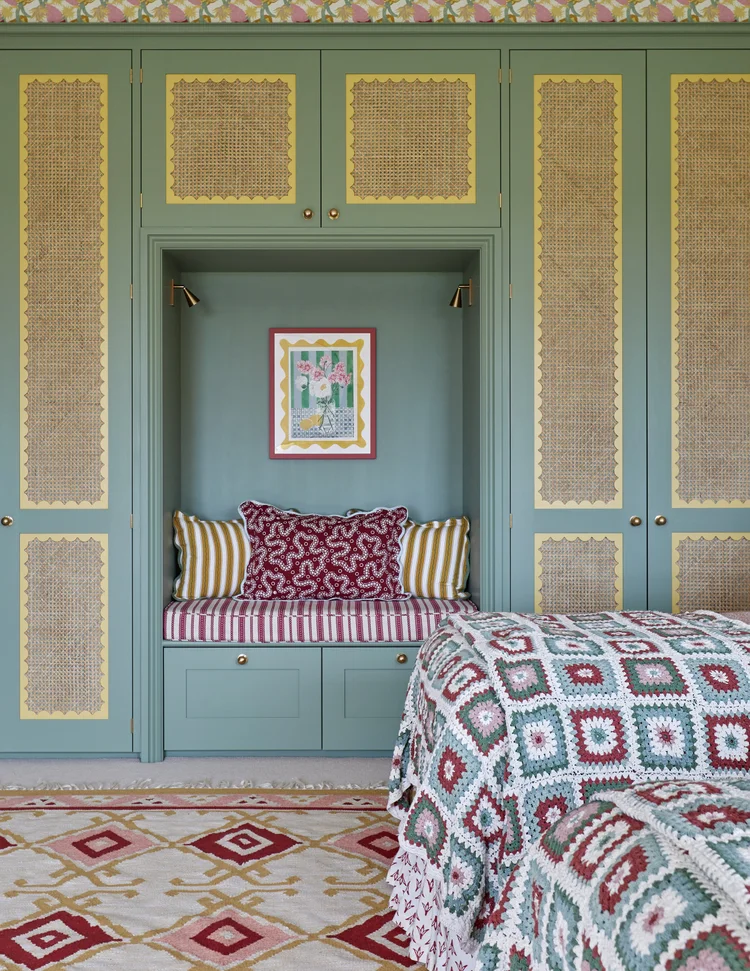
One of the most effective ways to reduce clutter is to design storage directly into the architecture of the room.
Built-in wardrobes, flush cabinetry, and recessed compartments allow belongings to disappear neatly behind clean surfaces. When storage aligns with wall planes and extends vertically, the bedroom reads as a calm, uninterrupted space rather than a collection of furniture pieces.
This approach is particularly valuable in compact urban homes where every square metre matters. By treating walls as storage infrastructure, designers can maximise capacity without overwhelming the room visually.
Many designers also extend wardrobes to the full height of the room, allowing seldom-used items such as seasonal clothing, luggage, or extra bedding to be stored in the upper sections. This vertical approach reduces the need for additional furniture elsewhere in the bedroom while maintaining a clean visual line across the walls.
Common strategies include:
- Wall-To-Wall Wardrobe Systems
- Flush Cabinetry That Blends Seamlessly With Walls
- Recessed Wall Niches For Everyday Essentials
- Concealed Storage Behind Wall Panelling
For further insights into designing wardrobes for compact homes, we explore several thoughtful strategies in our blog: The Psychology Behind Smart Home Organisation (It’s Not Just About Boxes). Ultimately, when storage becomes architectural, the bedroom regains a sense of clarity and spatial calm.
2. Bed Platforms As Hidden Storage
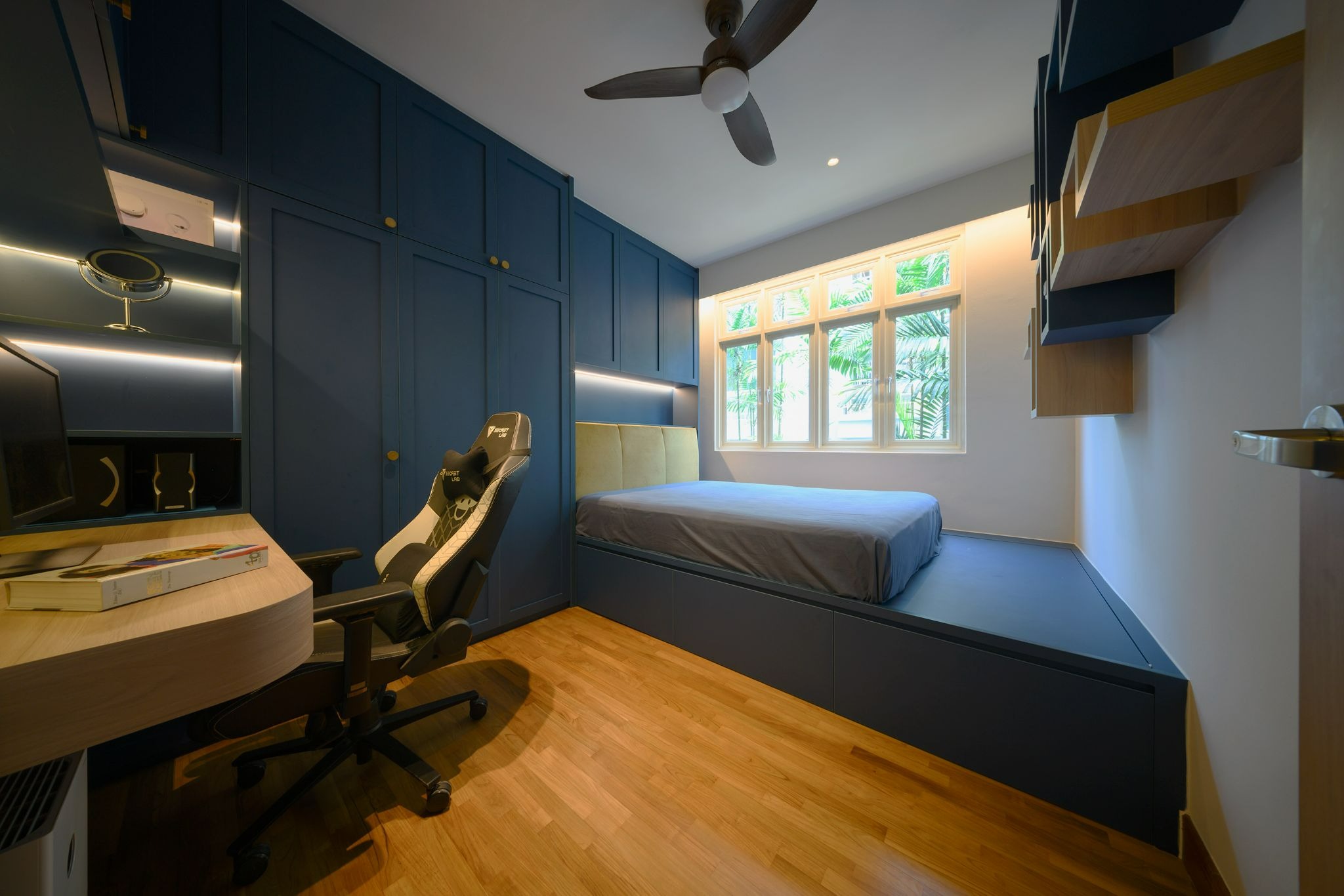
The bed occupies the largest footprint in most bedrooms — making it one of the most powerful opportunities for integrated storage.
Rather than treating the bed purely as furniture, many contemporary designs incorporate concealed storage directly within the platform or base. This approach allows bulky items such as bedding, luggage, or seasonal clothing to be stored discreetly without introducing additional cabinets into the room.
Some effective solutions include:
- Lift-Up Storage Beds For Bulky Items
- Platform Beds With Integrated Drawers
- Headboards With Concealed Compartments
- Built-In Bedside Shelving Within The Bed Frame
These strategies are particularly useful in smaller homes where floor space is limited. By integrating storage into the bed itself, the room remains visually simple while still providing generous capacity.
In custom-designed bedrooms, platform beds can also incorporate subtle architectural details such as recessed lighting, built-in niches, or integrated bedside ledges. These additions reduce the need for separate bedside tables, allowing the sleeping area to feel lighter and more spatially composed.
If this is something you are planning for, this may be useful: Designing a Bedroom That Actually Helps You Rest
3. Furniture That Stores Without Adding Clutter
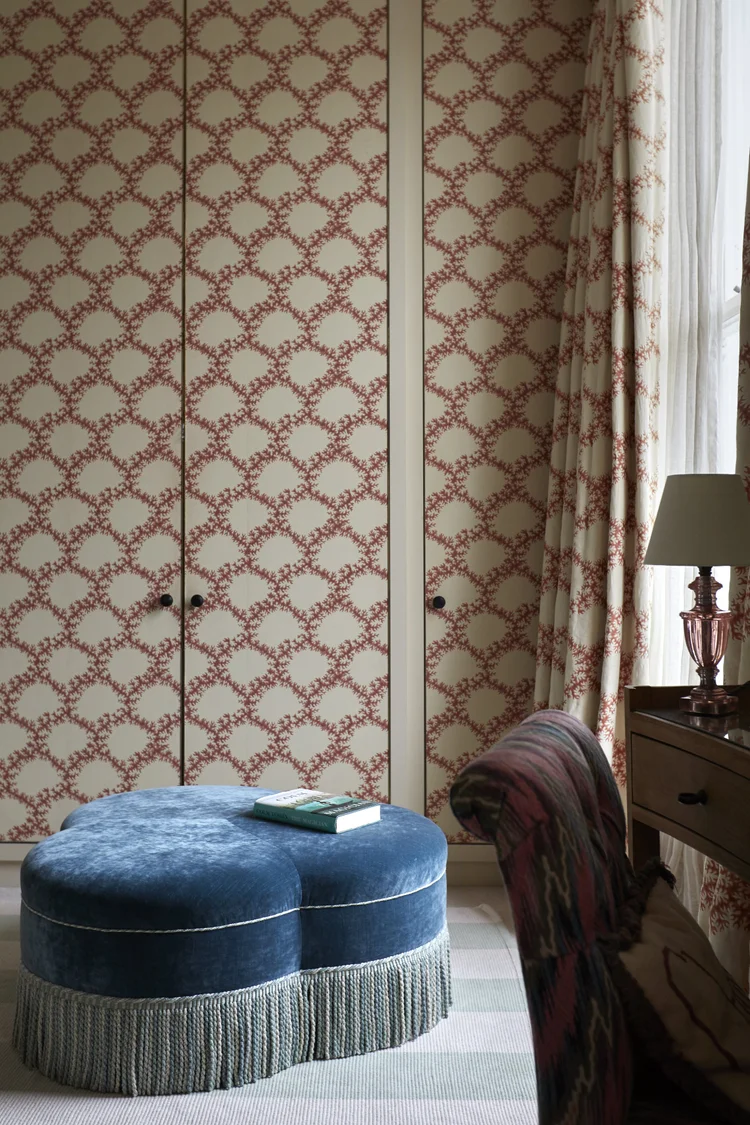
Not all storage needs to be built into the architecture. Furniture can also support organisation — provided it is carefully chosen.
The key lies in selecting pieces that perform multiple functions while maintaining visual simplicity. Instead of adding more furniture to store more items, thoughtful design favours fewer pieces that work harder.
Examples include:
- Storage Ottomans At The Foot Of The Bed
- Benches With Concealed Compartments
- Nightstands With Deep Drawers
- Slim Dressers Designed For Compact Bedrooms
These pieces offer discreet storage while preserving the calm character of the room.
For a broader overview of practical bedroom storage approaches — from multifunctional furniture to under-bed organisation — this guide offers useful inspiration.
The goal is not to fill the bedroom with storage solutions, but to introduce the right ones in the right places.
Scale also plays an important role. Furniture that is too bulky can visually dominate the room, while pieces that are thoughtfully proportioned allow storage to remain discreet. Slim profiles, integrated handles, and neutral finishes help these pieces blend into the overall design.
4. Designing Drop Zones That Prevent Clutter
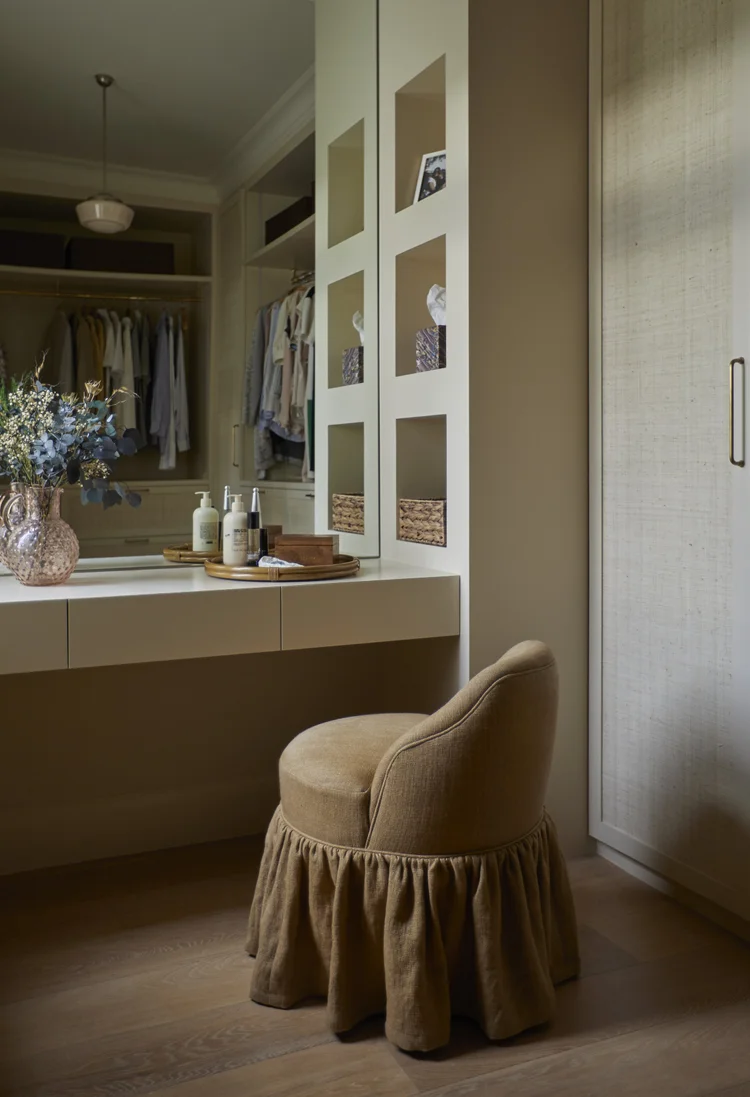
Even the most carefully designed bedroom will accumulate clutter if everyday routines are not considered.
Every home develops natural “drop zones” — places where items are set down out of habit. Clothes are draped over chairs, bags gather near the door, and accessories collect on bedside tables.
Rather than resisting these behaviours, thoughtful storage design anticipates them.
Some simple yet effective strategies include:
- Valet Rods Inside Wardrobes For Tomorrow’s Outfit
- Dedicated Drawers For Accessories And Jewellery
- Wall Hooks For Bags And Outerwear
- Tray Compartments For Watches And Small Items
When everyday belongings have intuitive places to return to, organisation becomes effortless.
In this way, good storage design supports the way people actually live — rather than imposing unrealistic expectations of tidiness.
When Storage Is Designed For Rest
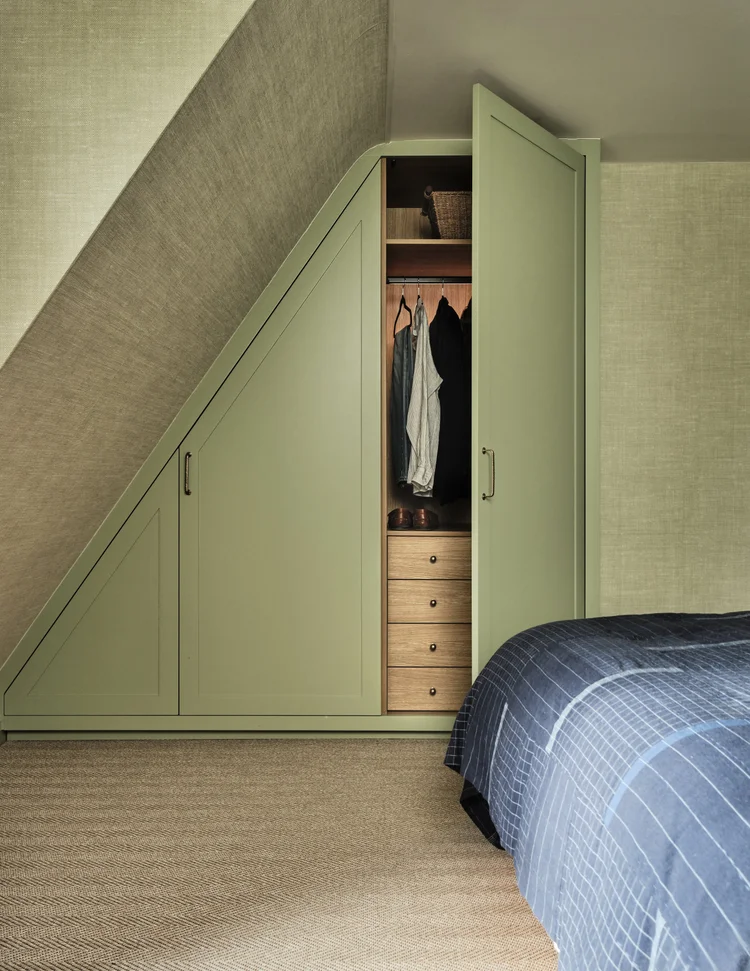
Designing a restful bedroom requires more than choosing the right bed or colour palette. It involves understanding how space, storage, and daily habits intersect. When storage is thoughtfully integrated into the architecture of the room, the bedroom becomes calmer, more spacious, and easier to maintain.
A restful bedroom rarely happens by chance. At Loren Ng Designs, we approach bedrooms as spaces of retreat, carefully balancing storage, circulation, and atmosphere to create environments that support both everyday living and genuine rest.
The Quiet Power Of Thoughtful Storage
Ready to design bedroom storage that supports rest rather than clutter?
We integrate wardrobes, platforms, and furniture storage into the architecture of the room — creating bedrooms that feel calm, organised, and naturally restorative.
Let’s explore how your bedroom can become a space of calm and restoration.
📩 ask@lorenngdesigns.com
📷 @loren_ng_designs
Posted by:


BACK TO BLOG
You Might Also Like
.png)