




Where Culture Meets Comfort: Interpreting Design Trends Mindfully
6 July 2026
Singapore
Share

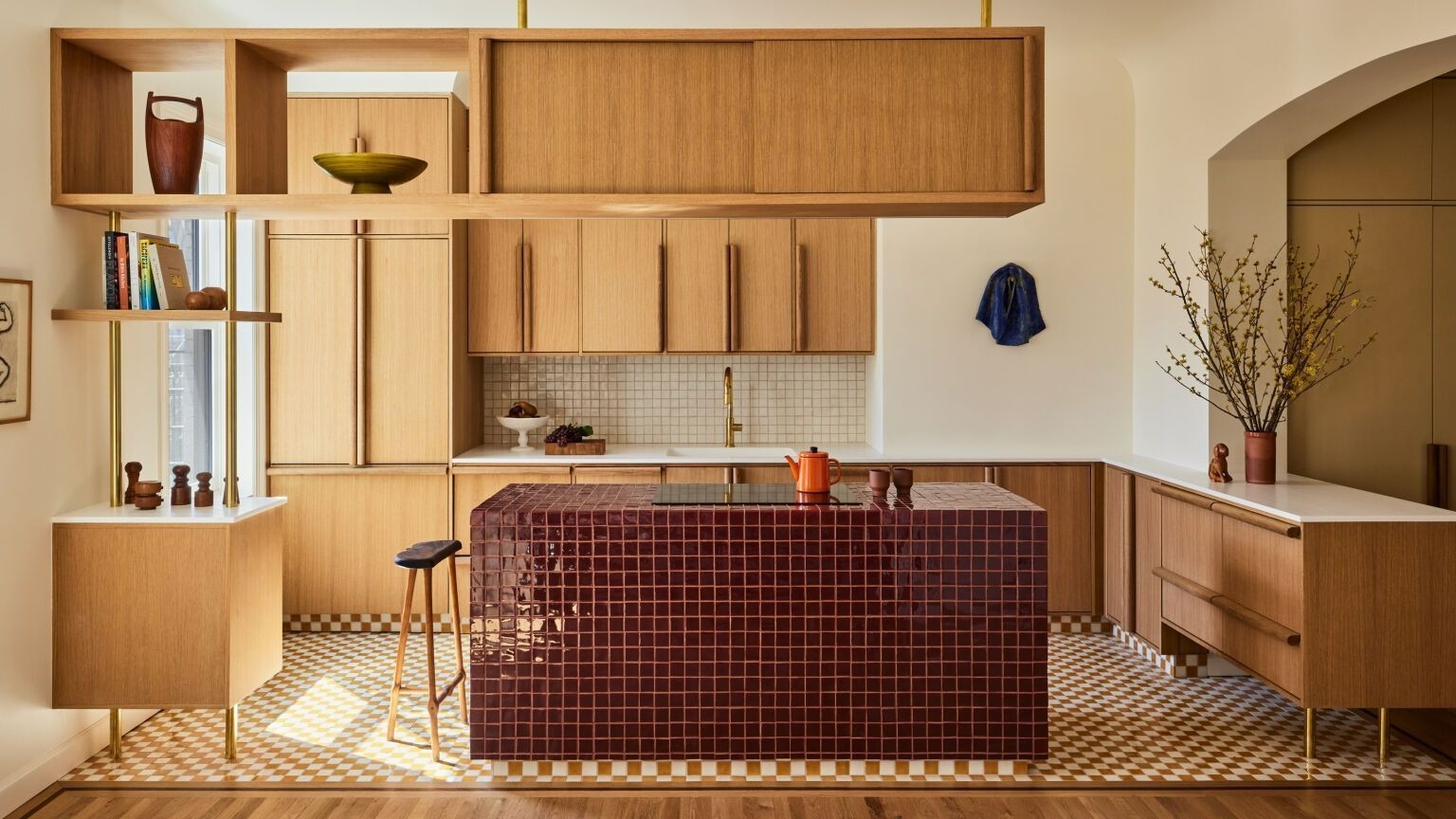
Trends are often spoken about with a mix of curiosity and scepticism. In design conversations, they can feel fleeting, commercial, or even superficial. Yet trends, when understood properly, are far more than passing aesthetics; they are cultural signals. They reveal how people live, what they value, and how society is evolving.
At Loren Ng Designs, we believe that trends should inform design, not dictate it. Here, we explore the world of trends: what makes them resonate, how they diverge from passing fads, and how interior designers and homeowners can interpret them with intention.
Decoding the Nature of Trends
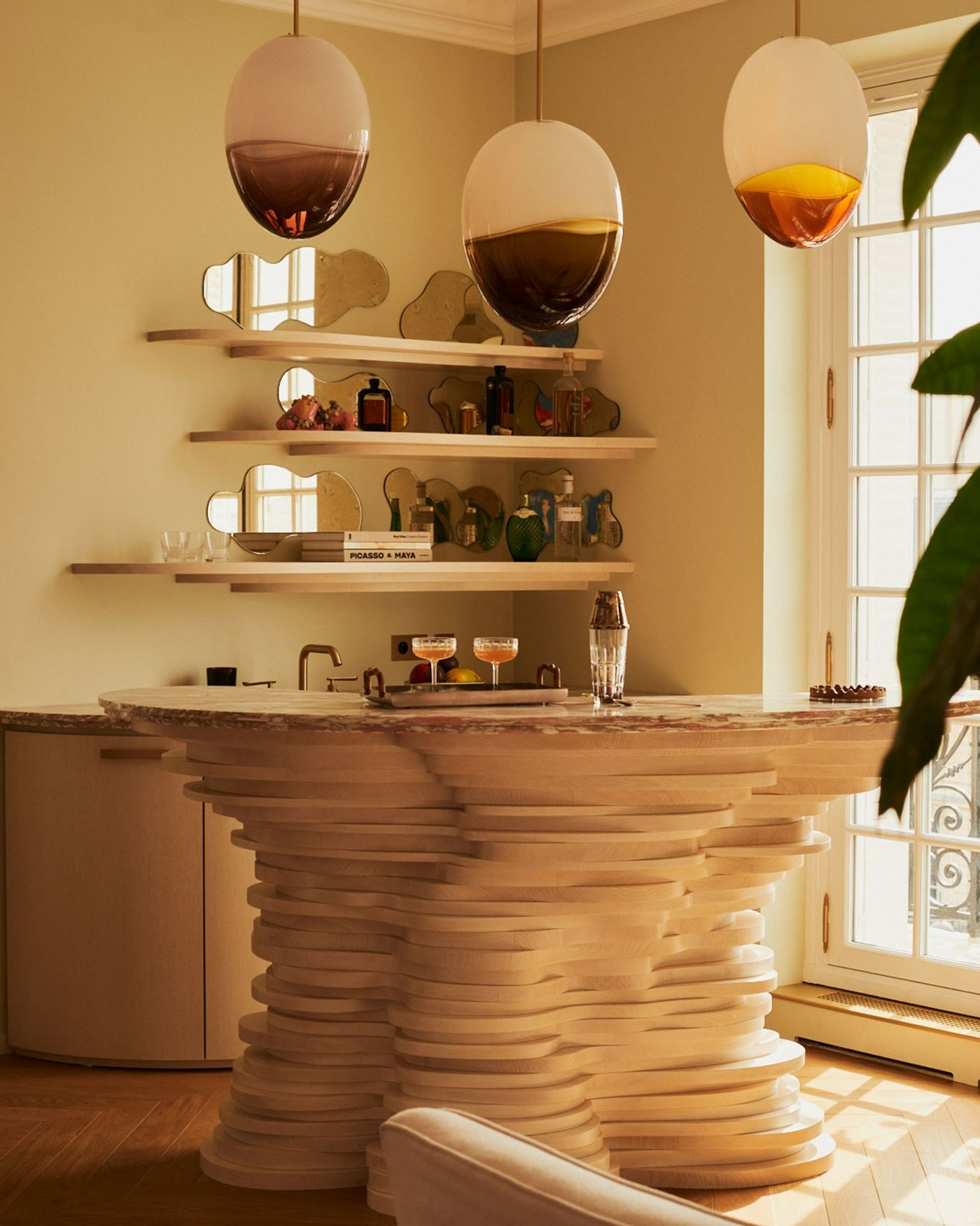
A trend is not an accident, nor is it purely visual. It is a direction of change — one that reflects deeper shifts in behaviour, culture, and values over time.
Trends emerge through repeated observation of how people live and adapt, influenced by factors such as:
- Lifestyle Changes
- Technological Advancement
- Global And Social Events
- Evolving Consumer Behaviour
In interior design, trends often surface as recurring preferences in materials, layouts, colours, or spatial philosophies. They are signals — not instructions.
For example, recent years have seen:
- Growing Emphasis On Natural Materials
Creative usage of wood, stone, and other natural materials introduce authenticity and a connection to nature. Their appeal lies not only in aesthetics, but in the emotional grounding they provide.
- Preference For Tactile, Textured Finishes
Materials such as linen, ceramics, limewash, and hand-applied finishes add sensory depth. They make spaces feel lived-in rather than staged, personal rather than generic. Explore the nuances of tactile surfaces with Limewash vs. Stucco Veneziano here.
- Desire For Calm And Grounding Spaces
Soft palettes, balanced layouts, and thoughtful lighting respond to overstimulation in daily life, encouraging rest and mindfulness.
Explore how to layer lighting like a professional, bringing intention to every corner of your space.
- Focus On Emotional Comfort Within The Home
Homes are increasingly designed to support wellbeing — places where people can decompress, connect, and feel at ease.
A trend, therefore, is less about what looks fashionable and more about why people are drawn to it.
When a Trend Outlives a Fad
Trends and fads are often mistaken for one another, but the distinction is crucial when designing spaces meant to last.
What Defines a Fad?
A fad is typically:
- Short-Lived
- Driven By Novelty Or Social Media Visibility
- Visually Striking but Shallow in Reasoning
- Quick To Feel Dated
In interiors, fads often translate into design decisions that feel exciting initially but lose relevance quickly and age poorly.
What Qualifies as a Trend?
A genuine trend:
- Develops Gradually
- Is Rooted In Cultural Or Behavioural Change
- Appears Across Multiple Industries
- Evolves Rather Than Disappears
Meaningful trends develop and adapt over time. Delve deeper into this distinction and explore further insights here.
In interior design, understanding this distinction matters. Longevity should be treated as part of the designer’s responsibility.
What Makes a Trend Worth Following
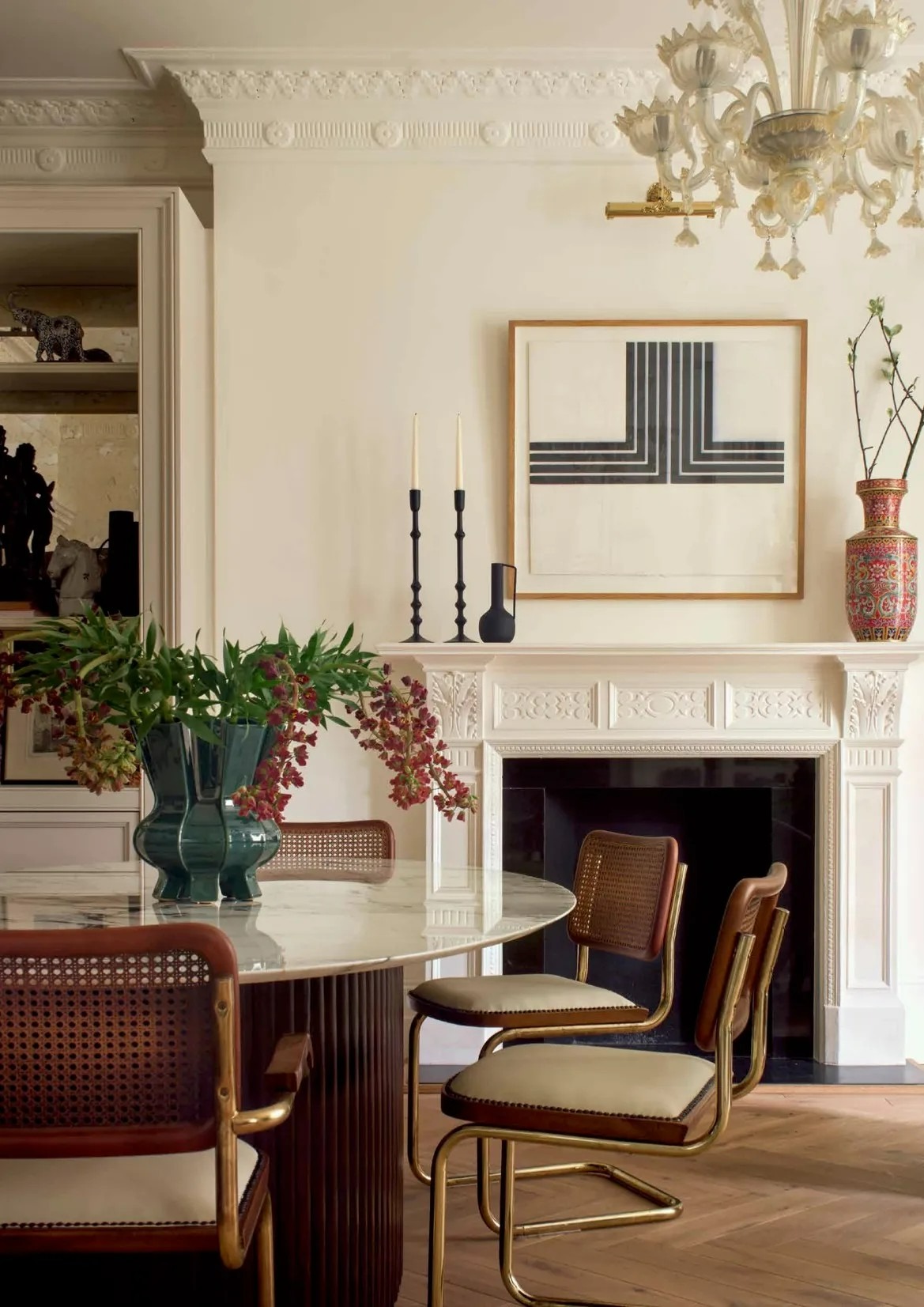
Not every popular look qualifies as a meaningful design trend. At Loren Ng Designs, we evaluate trends through a practical and human-centred lens, guided by three key considerations:
1. Longevity and Adaptability
A true trend evolves over time rather than peaks abruptly. Minimalism, for example, has shifted from stark and clinical to warm and human‑centred — balancing simplicity with personal expression.
Discover how a warm minimalist approach can bring balance and softness to your space.
Alignment with Real Lifestyles
A meaningful trend must support how people live and interact with their spaces.
Designs that respond to practical needs tend to endure, including those that prioritise:
- Intelligent storage
- Flexible Layouts
- Multi-Functional Rooms
These trends persist because they solve real problems rather than chasing novelty.
For practical insights on thoughtful planning, refer to Tips & Tricks to Redecorate Within Limited Space & Budget — a piece focused on intentional design for real lifestyles.
2. Emotional and Cultural Relevance
Enduring trends often connect with broader cultural shifts — sustainability, wellbeing, identity and heritage. In interior design, these influences shape both how a space looks and how it feels to inhabit.
For a look at how heritage and identity inform thoughtful design beyond surface style, see From Heritage to Skyline: Weaving Singapore’s Story into Your Space.
From Micro to Macro: The Pace of Trends
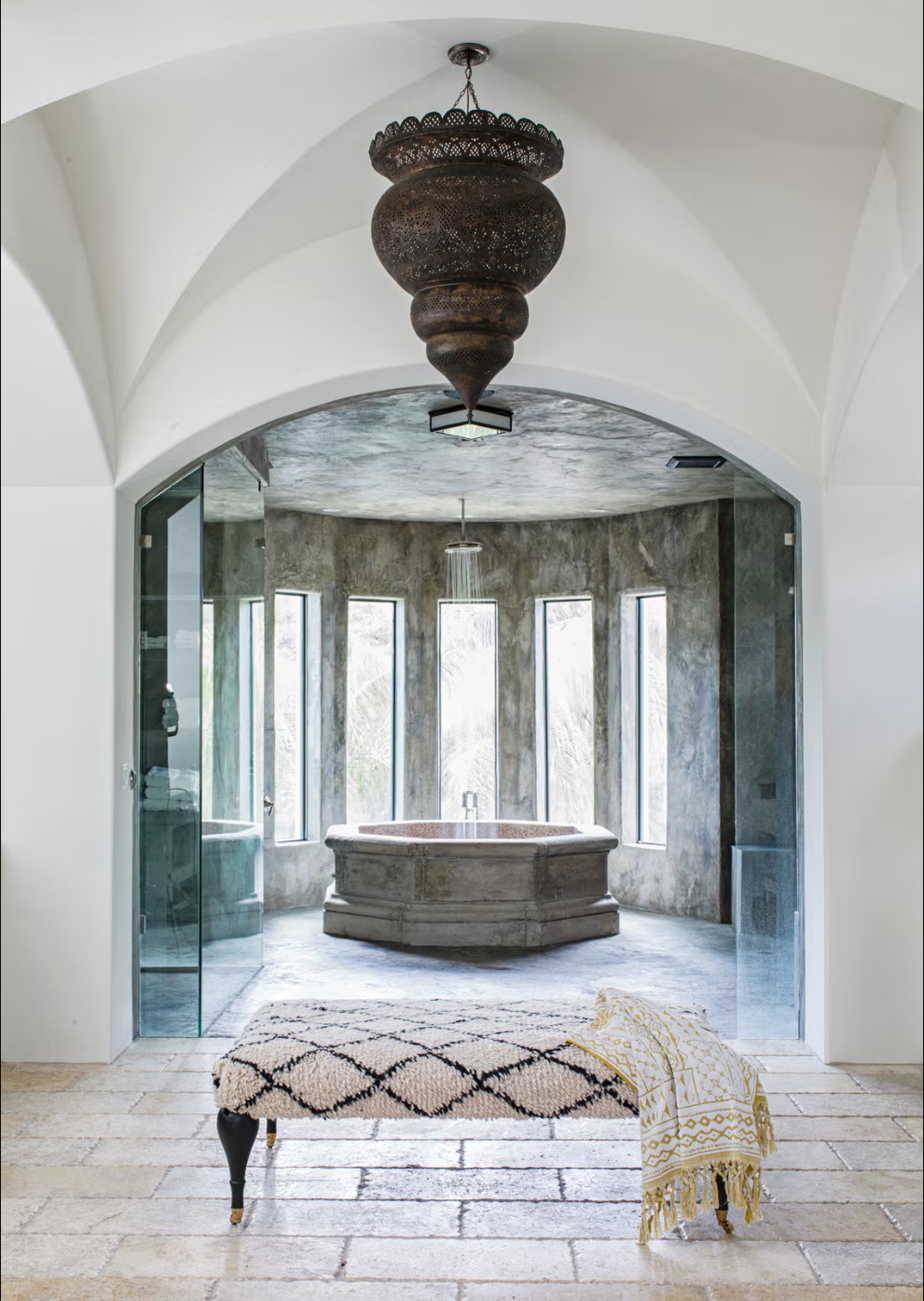
Digital platforms have accelerated the visibility of trends, but not all trends move at the same pace.
1. Micro-Trends
Micro trends are fast, expressive, and highly visible. They are not “bad” — but they are not ‘foundational’. Often sparked by social media and viral content, micro-trends gain quick attention but typically last only 1–3 years.
They are highly visible, exciting, and fun, but may fade as rapidly as they appeared.
How it shows up:
- A Specific Colour Moment
- A Distinctive Tile Pattern
- A Viral Furniture Silhouette
- A Repeatable “Look” Across Many Homes
- Very Specific Wall Treatments
- Bold But Inflexible Built-Ins
- Novelty Lighting Forms
- Highly Themed Rooms
2. Macro-Trends
Macro trends are slow, structural, and difficult to reverse. They emerge because the way people live, work, age, consume, or relate to home has fundamentally changed.
Rooted in lifestyle, culture, or societal values, macro-trends unfold more gradually and can influence design choices for 7–15 years.
These trends resonate because they respond to real human needs, cultural moods, and collective behaviour rather than fleeting novelty.
Example: The Reframing of Home as a Place of Recovery
This is a macro trend because it reflects a fundamental change in how people relate to their homes. Home is no longer seen purely as a backdrop to life outside; it has become a place for restoration, emotional regulation, and mental recalibration.
This shift is driven by sustained factors — longer working hours, digital saturation, blurred boundaries between work and rest, and increased awareness of mental wellbeing. Design responds not by chasing a particular look, but by prioritising environments that reduce friction, visual noise, and overstimulation.
The significance lies not in what materials are used, but why spaces are being designed to feel quieter, slower, and more grounding.
Trends endure when they align with culture, context, and human needs. Learn more about how trends form and persist here.
In interior design, the most successful homes are anchored in long-term thinking, allowing smaller elements to evolve while maintaining a cohesive, timeless aesthetic.
Our Perspective: Navigating Trends with Intention
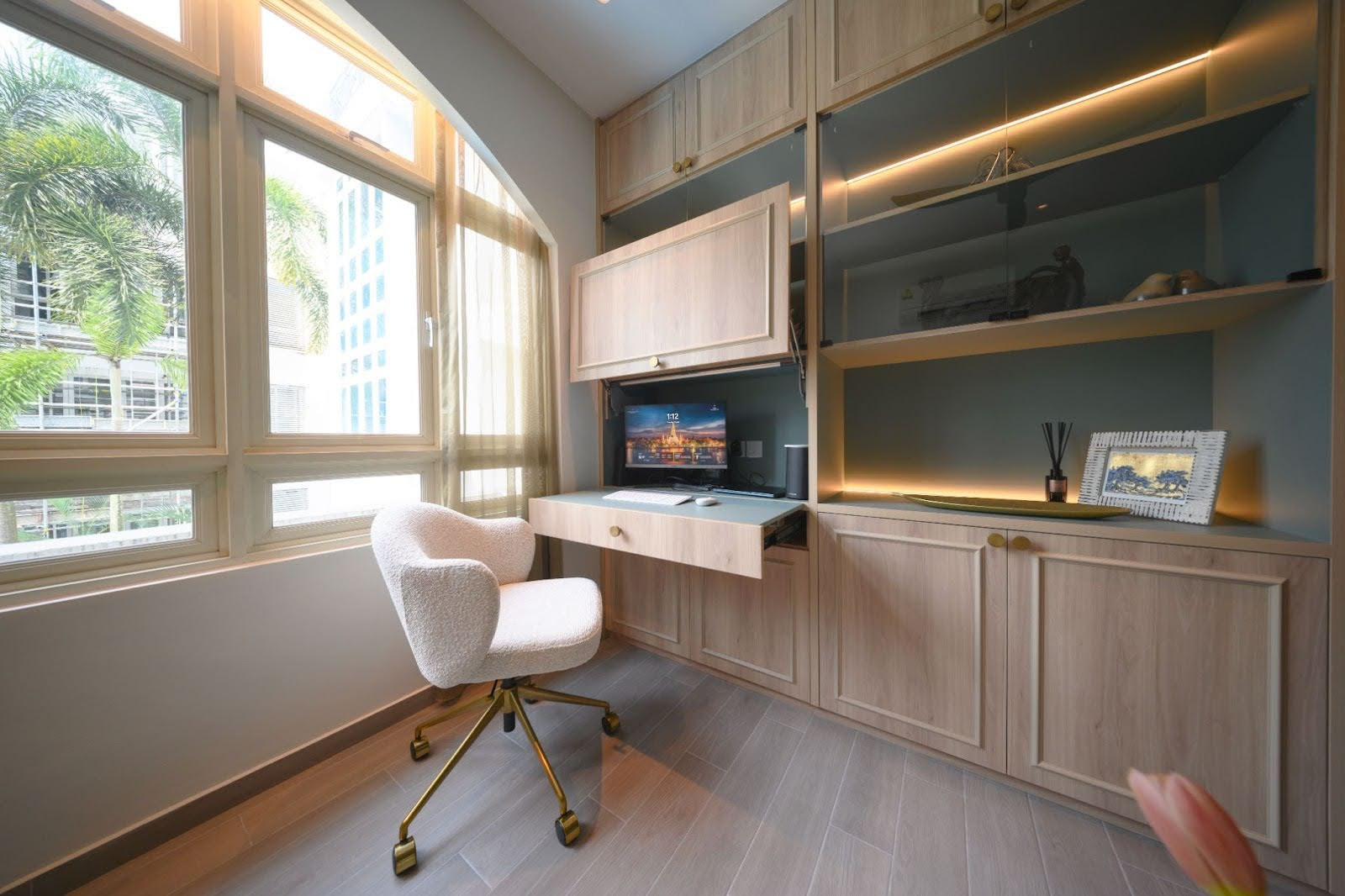
At Loren Ng Designs, we do not design to chase trends — we design to translate them meaningfully.
Designing with Discernment
Our role is to filter trends through each client’s lifestyle, spatial needs, and personal identity. Trends provide context — not instruction.
Designing for Longevity
Instead of asking, “Is this on trend?”, we ask:
- Does This Support How You Live?
- Does This Feel Emotionally Grounded?
- Will This Still Resonate Years From Now?
When design decisions are anchored in human behaviour and thoughtful planning, spaces remain relevant long after trends shift.
Making Trends Work, Not Dictate
Trends are not inherently problematic — uncritical adoption is.
When understood properly, trends become tools, offering insight into cultural shifts and evolving lifestyles. The most enduring interiors are not trend‑proof, but trend‑aware — grounded in thoughtful planning, emotional intelligence and human‑centred design.
Curate a Home That Reflects You
Trends are tools, not rules.
Let us help you create a space that evolves with intention.
📩 ask@lorenngdesigns.com
📷 @loren_ng_designs
Posted by:


BACK TO BLOG
You Might Also Like
.png)


